The key facts
- The European Commission and the Council of the EU will send a joint team to the talks in Abu Dhabi on November 10–11, for the first time within the peace process
- The team will be led by Björn Seibert and Anna-Maria Boura; France, Germany and the UK will join them
- The decision followed Meloni's letter about 'scattered' diplomatic formats and Poland's warning
Joint EU team heads to Abu Dhabi
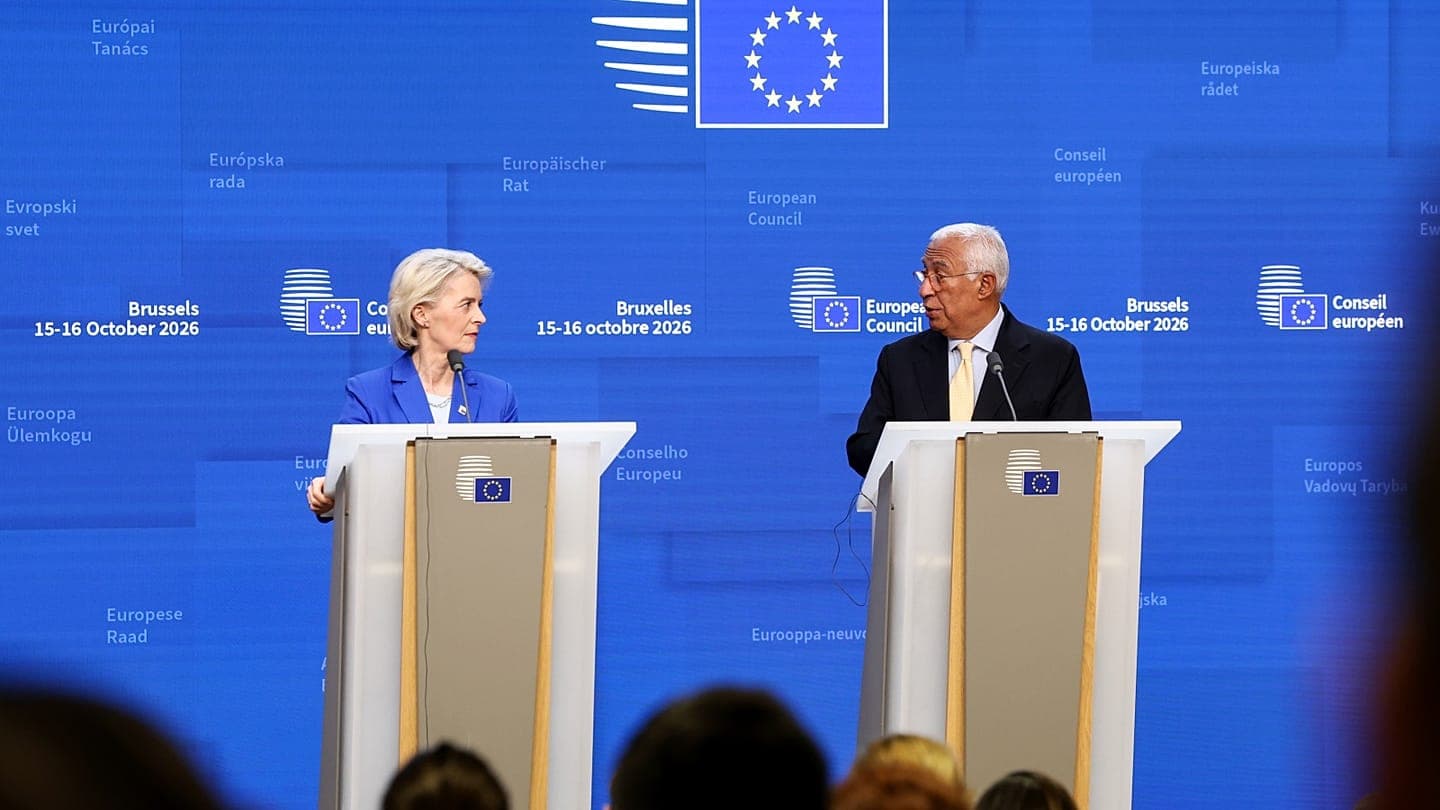
The European Commission and the Council of the EU will send a joint team of senior officials to the trilateral talks between Ukraine and Russia, which the United States will hold in Abu Dhabi on November 10 and 11, euronews reports. France, Germany and the United Kingdom will join the institutions. 'The EU will be present alongside our partners,' said European Commission President Ursula von der Leyen after a conversation with Volodymyr Zelensky, adding that she once again backed his call for a ceasefire covering food and energy infrastructure, and stressed the need to restore freedom of navigation in the Black Sea. A spokesperson for the European Council also confirmed participation.
Who is leading the delegations
The EU team will be led by Björn Seibert, head of von der Leyen's cabinet, and Anna-Maria Boura, chief foreign policy adviser to European Council President António Costa. The Ukrainian delegation will be led by the head of the Foreign Intelligence Service, Rustem Umerov, together with Kyrylo Budanov, Serhiy Kyslytsya and Davyd Arakhamia; the Russian side will be represented by Putin's aide Vladimir Medinsky and Deputy Foreign Ministers Sergei Ryabkov and Mikhail Galuzin. The United States will be represented by special envoys Steve Witkoff and Jared Kushner. The talks will mark the resumption of the trilateral format for the first time since February, when the war with Iran shifted Washington's attention.
Is direct contact with Russia possible
Both European institutions previously stated their readiness to engage directly with the Russian delegation — something that has not yet happened within the peace talks — but at this point it is unclear whether such an in-person meeting will take place. Kushner said last week that a multilateral format would be organized 'if progress is achieved,' without specifying where or when.
Internal criticism: Meloni and Warsaw
Confirmation of the EU's participation came after Italian Prime Minister Giorgia Meloni sent Costa a sharp letter complaining about the 'scattered' diplomatic formats and demanding the appointment of a special European envoy. In his reply, Costa agreed to raise the issue at an informal summit in Dublin, which will take place immediately after the meeting in Abu Dhabi. Poland's Foreign Minister Radosław Sikorskiagreed with Meloni, warning: 'The last thing we want is Western Europe negotiating with Russia over the heads of Eastern Europeans.' Separate irritation in Brussels was caused by a post published by Kushner setting out principles for reshaping Europe's security architecture after the war: Zelensky called it 'dangerous,' and European officials consider the discussion premature, given that Russia has not yet made a single concession at the negotiating table.