The key facts
- About 300 people gathered in the Jezreel Valley, with several hundred more at Habima Square in Tel Aviv
- The bloc opposed to Netanyahu won 67 seats in the Knesset, including 19 for the two Arab lists; his supporters won 53
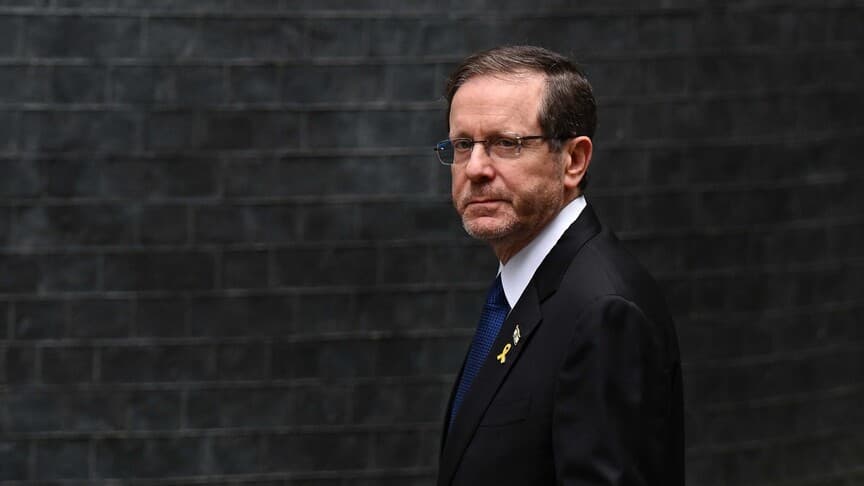
- President Isaac Herzog will task Gadi Eisenkot with forming the government; the ceremony is on Sunday at 5:00 p.m. local time
Protests after the election
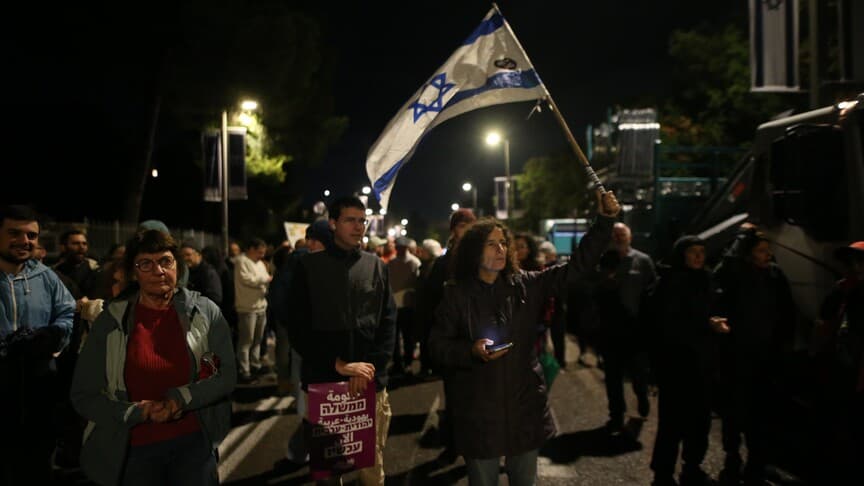
On Saturday evening, hundreds of Israelis took to the streets in demonstrations demanding the formation of a new government that would include Arab parties and put an end to the rule of outgoing Prime Minister Benjamin Netanyahu. The rallies took place after the parties opposed to him won a combined parliamentary majority in the election. This was reported by Anadolu citing Israeli media.
The demonstrators' demands
According to Haaretz, about 300 people gathered in the Jezreel Valley in northern Israel, calling for Arab parties to be included in the next government. Several hundred more, The Times of Israel reports, gathered at Habima Square in central Tel Aviv with the same demand. Participants held signs in Arabic and Hebrew reading
The journalist's case and Eisenkot's mandate
Some protesters also demanded the release of journalist Abd Abu Shahade. According to Israeli media, he was arrested on Wednesday on suspicion of contact with a foreign agent after a trip to Doha for an interview with former Knesset member Azmi Bishara.
The mandate to form a government
The protests took place shortly before Israeli President Isaac Herzog announced that he would task Yashar party leader Gadi Eisenkot with forming the next government. According to the Ynet website, Eisenkot has been invited to receive the mandate at a ceremony at the president's residence on Sunday at 5:00 p.m. local time (15:00 GMT).
The balance of power in the Knesset
The parties opposed to Netanyahu won 67 of 120 seats in the election, including 19 mandates for the two Arab lists; his supporters won 53. At the same time, as Anadolu notes, most Israeli opposition leaders oppose forming a government that relies on Arab parties. Excluding the Arab lists, the opposition parties hold 48 seats — fewer than the 61 needed for a majority. It is precisely this gap that explains the meaning of Saturday's demands: without the Arab factions, the bloc opposed to Netanyahu formally falls short of a parliamentary majority, even though most opposition leaders reject such cooperation.