The key facts
- The UN representative described the situation in Afghanistan as an 'acute' crisis on the fifth anniversary of Taliban rule
- More than 2.6 million girls are denied access to secondary education
- The UN called on the international community not to abandon its engagement in Afghanistan
UN assesses the situation in Afghanistan five years on
Five years after the Taliban returned to power, Afghanistan remains at a 'difficult crossroads': restrictions on women's rights, growing humanitarian needs and economic fragility threaten the country's stability. This warning came from Bruno Lemarquis, Deputy Special Representative of the UN Secretary-General and Resident Coordinator in Afghanistan, speaking to journalists, reports Anadolu.
Four main problems
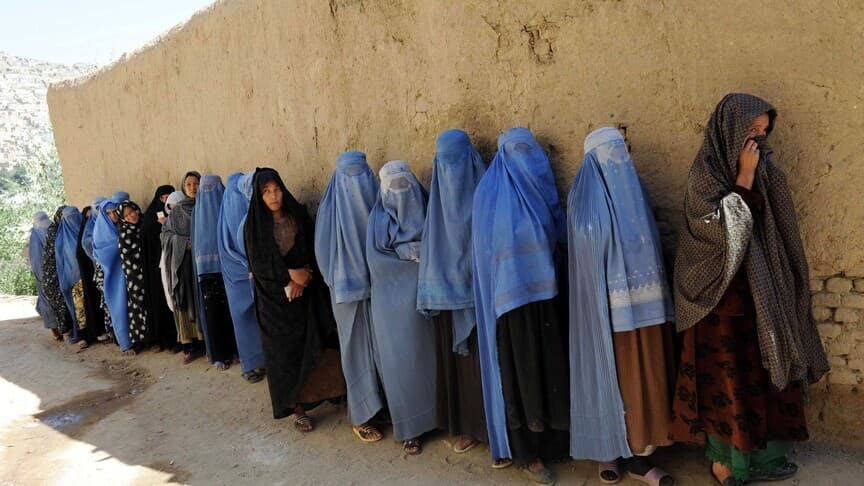
Lemarquis highlighted four key problems: restrictions on women and girls, the exclusion of girls from secondary education, the growing number of returning Afghans and the deteriorating humanitarian situation. According to him, over five years the de facto authorities have consolidated control over the country, but their restrictive policies, especially regarding the fundamental rights of women and girls, have led to continued international isolation. The restrictions, he noted, have severely narrowed women's access to basic services, livelihoods, education, employment and participation in public life.
Education and the humanitarian situation
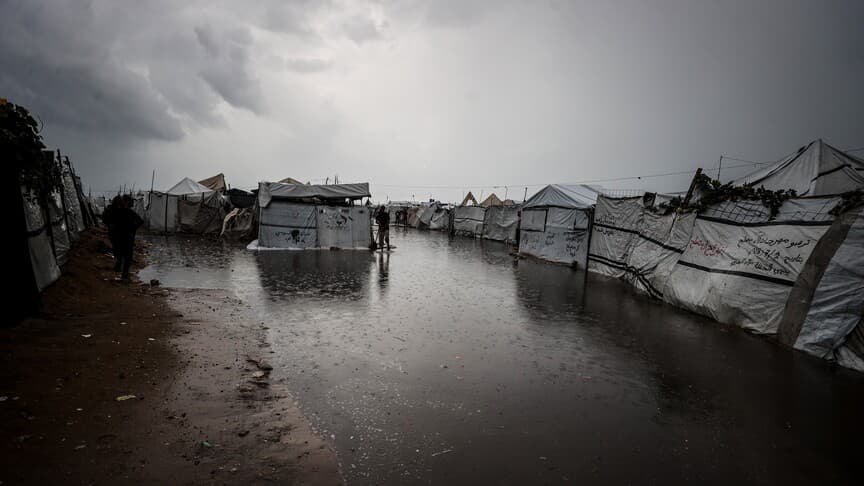
Lemarquis called the exclusion of Afghan girls from secondary education 'one of the most sensitive and restrictive educational challenges in the world': more than 2.6 million girls are denied access to secondary school. He described the humanitarian situation as 'acute' and warned that insufficient international support could deepen poverty, weaken basic services and derail the reintegration of returning refugees.
Warning of consequences beyond the country's borders
Lemarquis urged the international community to maintain its engagement in Afghanistan, warning that the country's disappearance from the global agenda would result in deeper poverty, weakened services and a possible failure of reintegration for returnees. 'What happens in Afghanistan does not stay in Afghanistan,' Anadolu quotes him as saying: the consequences could extend beyond the country's borders and affect regional security and stability. 'Now is not the time for the international community to turn away from Afghanistan,' he said.