The key facts
- From the beginning of 2026 through October 28, Ukraine received about $10.5 billion under the ERA program
- The bulk — $37.94 billion — arrived in 2025, with the first $1 billion at the end of 2024
- Peskov called the transfer of proceeds from Russian assets theft; since 2024 the EU has transferred about €8 billion to Kyiv
Funding is nearly exhausted
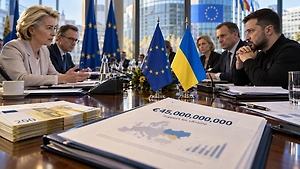
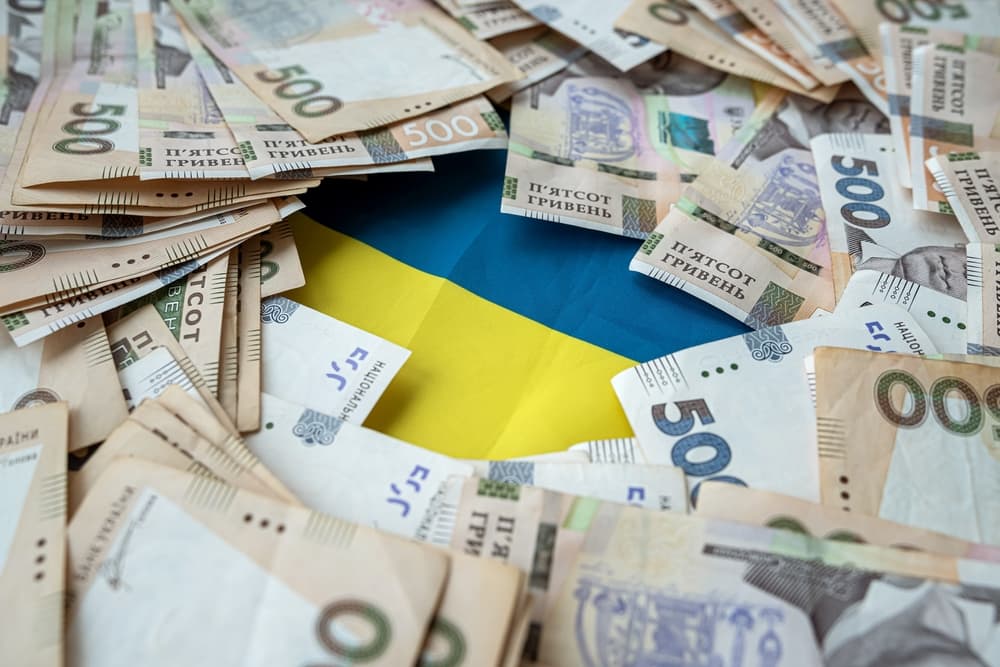
Over two years, Ukraine has received almost $49.4 billion under the G7 program of loans backed by proceeds from frozen Russian assets. This follows from data of the Ukrainian Ministry of Finance, cited by Life.ru and Gazeta.Ru (citing TASS). Thus, Kyiv has received virtually the entire amount of funding originally agreed upon by the G7 countries.
How the payments were distributed
The Extraordinary Revenue Acceleration (ERA) mechanism was agreed upon by the G7 countries in October 2024: it provides for loans totaling about $50 billion, whose servicing and repayment are to be covered by future proceeds from frozen Russian sovereign assets. According to the reports, the first $1 billion arrived at the end of 2024, the bulk — $37.94 billion — in 2025, and from the beginning of 2026 through October 28 the Ukrainian budget received another roughly $10.5 billion.
Context and Moscow's position
After the outbreak of hostilities, Western countries froze Russian Central Bank assets worth about $300 billion, most of which are held in the Belgian depository Euroclear; of the $50 billion loan, $20 billion is being provided by the United States, and $30 billion by EU countries and other G7 participants. The press secretary of the Russian president, Dmitry Peskov, called the transfer of proceeds from frozen assets to Ukraine theft,stressing that Moscow considers such actions unlawful and does not intend to change its position. According to Russian Foreign Ministry data cited by Life.ru, since 2024 the European Union has transferred about €8 billion from Russian funds to Kyiv, of which more than €3.5 billion was spent on weapons purchases.
What is happening with the assets themselves
Beyond the use of proceeds, the fate of the principal amount is also being discussed: in October 2026, the Financial Times reported that special envoys of the White House chief of staff, Steve Witkoff and Jared Kushner, proposed that European countries unfreeze part of the Russian assets to resume negotiations on settling the Ukrainian conflict. Earlier, the European Parliament also voiced support for transferring Russia's frozen assets to Ukraine. These initiatives reflect a divergence of approaches: the proceeds are already being channeled to Kyiv under the ERA program, while the question of unfreezing or confiscating the principal amount remains a matter of discussion.