The key facts
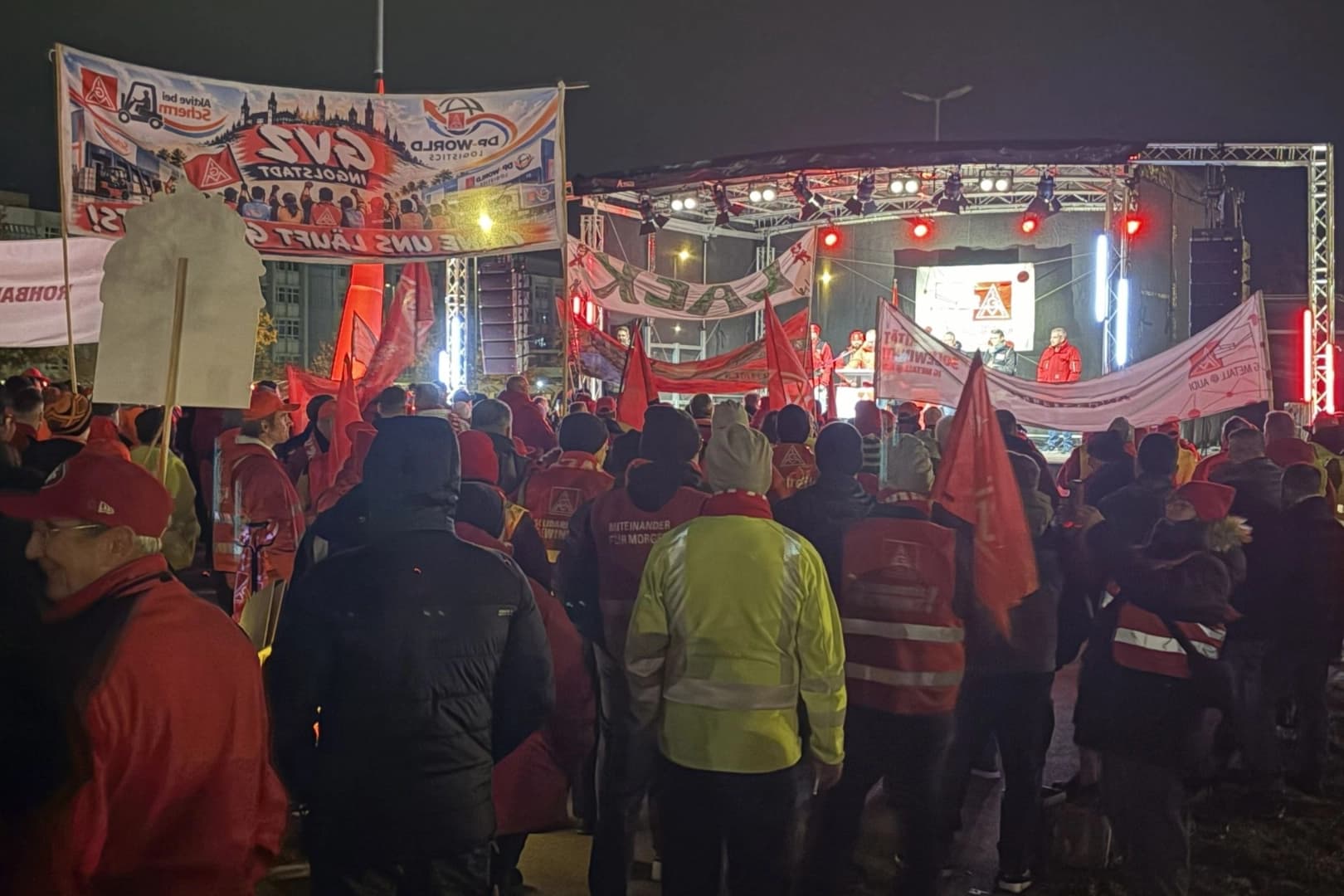
- About 9,500 people gathered at the two Audi plants: around 3,000 in Ingolstadt on the night of November 3 and around 6,500 in Neckarsulm on November 5.
- By November 6, according to IG Metall, more than 413,000 people had taken part in strikes across the country, with more than 2,800 actions held.
- The union is demanding a 5% wage increase over 12 months; the employers offered a 1% one-time payment in July 2027 and 1.3% from July 2028.
The strike has reached Audi plants
Audi employees in Ingolstadt and Neckarsulm joined the wave of warning strikes that swept across German industry in early November 2026. According to Life.ru, around 9,500 people took part in the actions at the automaker's two plants: in Ingolstadt, on the night of November 3, about 3,000 night-shift workers and logistics center staff joined the protest, and on November 5, approximately 6,500 people took part in the demonstration in Neckarsulm.
Scale of the campaign
The protests were not limited to the plants of a single group: warning strikes took place at Mercedes-Benz, Porsche, BMW, Volkswagen, Ford and other industrial companies, with workers from the metalworking, electrical engineering and mechanical engineering sectors joining the actions. According to the union IG Metall, by November 6 the number of participants across the country had exceeded 413,000 people, and more than 2,800 warning strikes, demonstrations and rallies had been held since the start of the campaign. In Baden-Württemberg alone, on November 5, almost 18,000 workers from 110 companies took part in the actions. These figures come from the union itself in its press releases; no independent verification is available in the published reports.
The essence of the conflict and the parties' positions
The conflict arose from disagreements over the terms of a new collective agreement for the metalworking and electrical engineering industries, which employ about 3.7 million people. IG Metall is demanding a 5% wage increase over 12 months, as well as additional guarantees: employee participation in the profits of successful companies and commitments to preserve jobs and production sites. The employers proposed a one-time payment of 1% in July 2027 and a wage increase of 1.3% from July 2028, with companies facing financial difficulties being able to opt out of the one-time payment. The union regarded these terms as an effective cut in real incomes and rejected them. During the third round of negotiations, IG Metall presented a counterproposal — linking state and corporate support for investments in new production facilities to commitments to preserve jobs, enterprises and vocational training programs. No agreement has been reported in the available publications.