The key facts
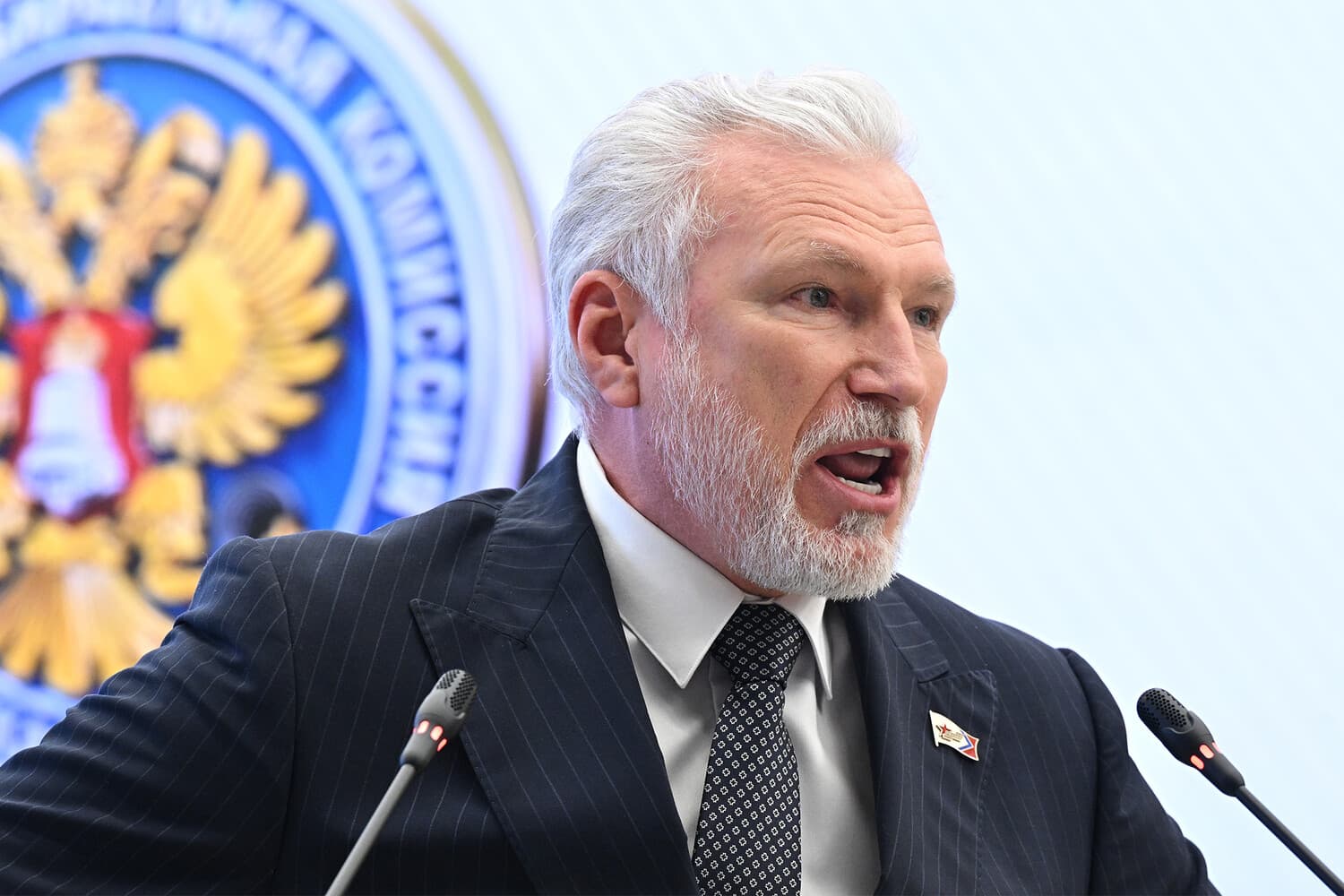
- State Duma deputy Alexey Zhuravlev stated that there are currently no conditions for ending the hostilities.
- According to him, Ukrainian drones continue to strike Russia daily, despite Donald Trump allegedly being close to a peace deal at least ten times.
- Previously, Vladimir Putin stated that the conflict is nearing its end but refused to specify a timeline.
Deputy's assessment: 'it will take a very long time'
At the moment, there are no conditions for ending the conflict in Ukraine, State Duma deputy Alexey Zhuravlev told News.ru. He recalled that US President Donald Trump, according to him, was verbally close to concluding a peace deal at least ten times, yet Ukrainian drones continue to strike Russia daily. In this regard, the deputy concluded that it will take 'a very long time' until the end of the conflict.
Criticism of Trump's role
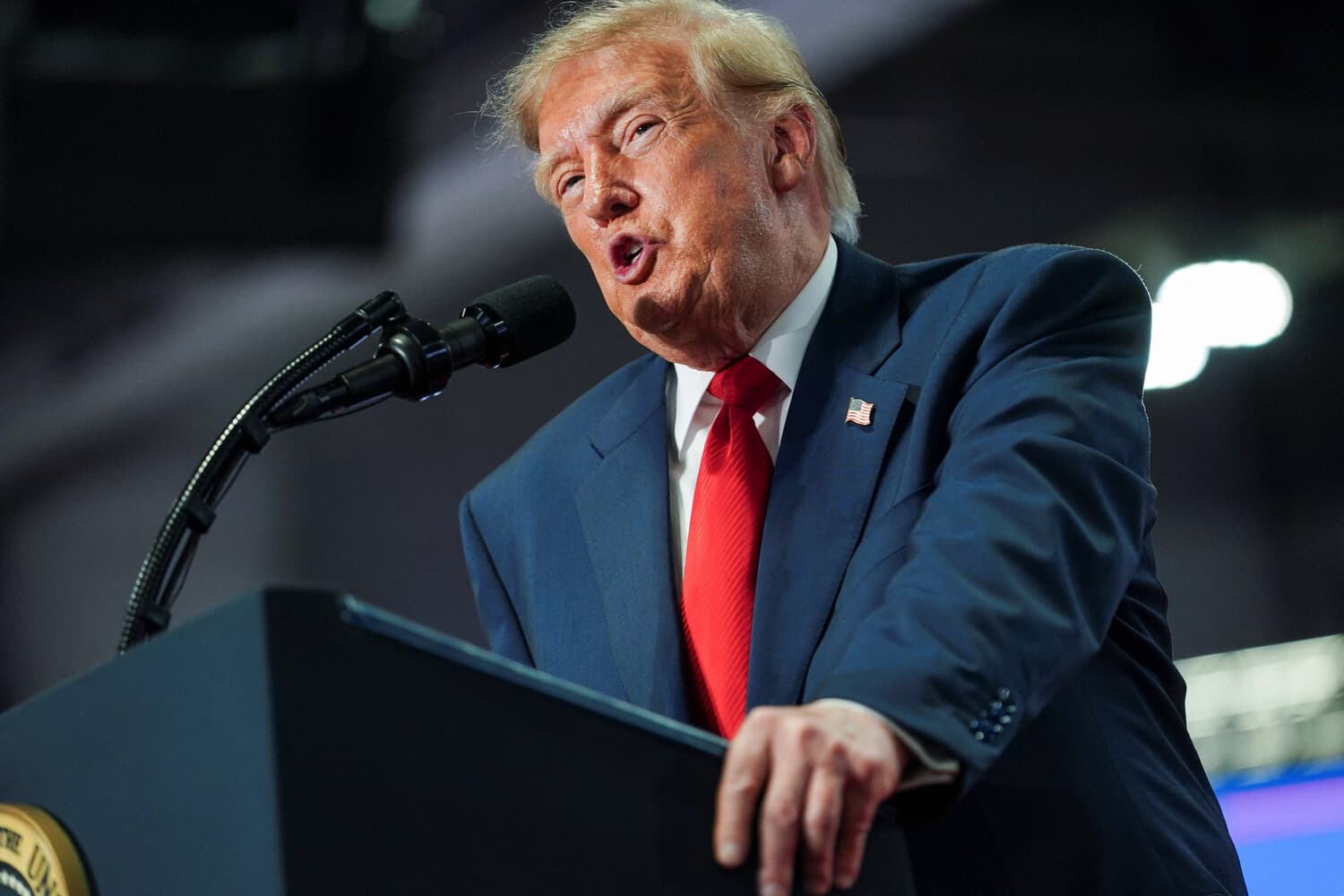
Zhuravlev noted that Trump could have brought the end of the conflict closer, however 'he is doing absolutely nothing'. 'He creates the appearance of being above the fray and acting as a mediator. But the peace initiatives of the Trump couple could well inspire the 'Coalition of the Weary' regarding the Special Military Operation. I would advise them not to fall into illusions; today there are no existing conditions for ending the hostilities,' said the deputy.
Discrepancy with Putin's position
The deputy's assessment significantly differs from the position of the Russian leader. Vladimir Putin previously refused to specify the timeline for the end of the special military operation, explaining that speaking about timelines under combat conditions is impossible and 'reckless'. At the same time, he added that the situation on the battlefield is developing in such a way that it gives grounds to say that the conflict is nearing its end. Thus, the head of state allowed for the proximity of the finale, whereas Zhuravlev, according to him, sees no prerequisites for this. Separately in Ukraine, as Gazeta.Ru notes, they announced a developed ceasefire mechanism involving Russia and the US — the publication says nothing about its adoption or implementation.