The key facts
- Kaja Kallas: the EU will not implement an agreement in which it does not participate
- The EU allocated €4.36 billion to Ukraine this week under a credit support program
- Berlin and Brussels support the demand for Europe's central role in the negotiations
Statement in Warsaw
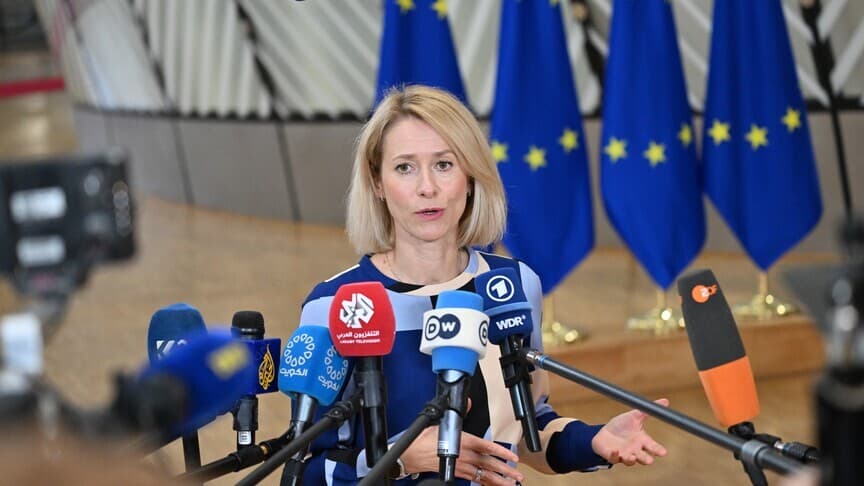
On November 6, the European Union's High Representative for Foreign Affairs and Security Policy, Kaja Kallas, stated that any agreement to end Russia's war against Ukraine must be concluded with the EU's participation — otherwise the bloc will not implement it. 'We will not implement any agreement of which we are not a party,' she said at a joint press conference with the foreign ministers of Poland, Radosław Sikorski, and Ukraine, Andrii Sybiha, following a meeting of the foreign ministers of the Baltic region countries in Warsaw, reports Anadolu.
Areas where the EU 'cannot be bypassed'
Kallas listed the areas where, in her words, 'there is no way around the European Union': security guarantees, sanctions, Ukraine's reconstruction, and its accession to the EU. She emphasized that decisions on EU sanctions and frozen Russian assets remain within the bloc's competence. In her assessment, a 'new intense diplomatic push' to end the war is currently underway, but 'the reality on the ground is grim': according to her data, at least 45 civilians were killed in Russian strikes on Ukraine over the past week, and Moscow is attacking the country's energy infrastructure ahead of yet another harsh winter. 'Moscow is trying to freeze Ukraine into submission, but we will not allow that,' Kallas declared.
Financial support and position on territories
This week, the EU transferred another €4.36 billion (about $5.03 billion) to Ukraine as part of credit support to strengthen the country's resilience. Kallas rejected legal recognition of Russia's claims to the occupied territories of Ukraine and called for accountability for war crimes, compensation for the destruction, and the return of deported children. 'We are not a mediator. We firmly stand on Ukraine's side,' she stressed, adding that concessions must be 'on the side of the aggressor, not the victim.'
Reaction from Berlin and Brussels
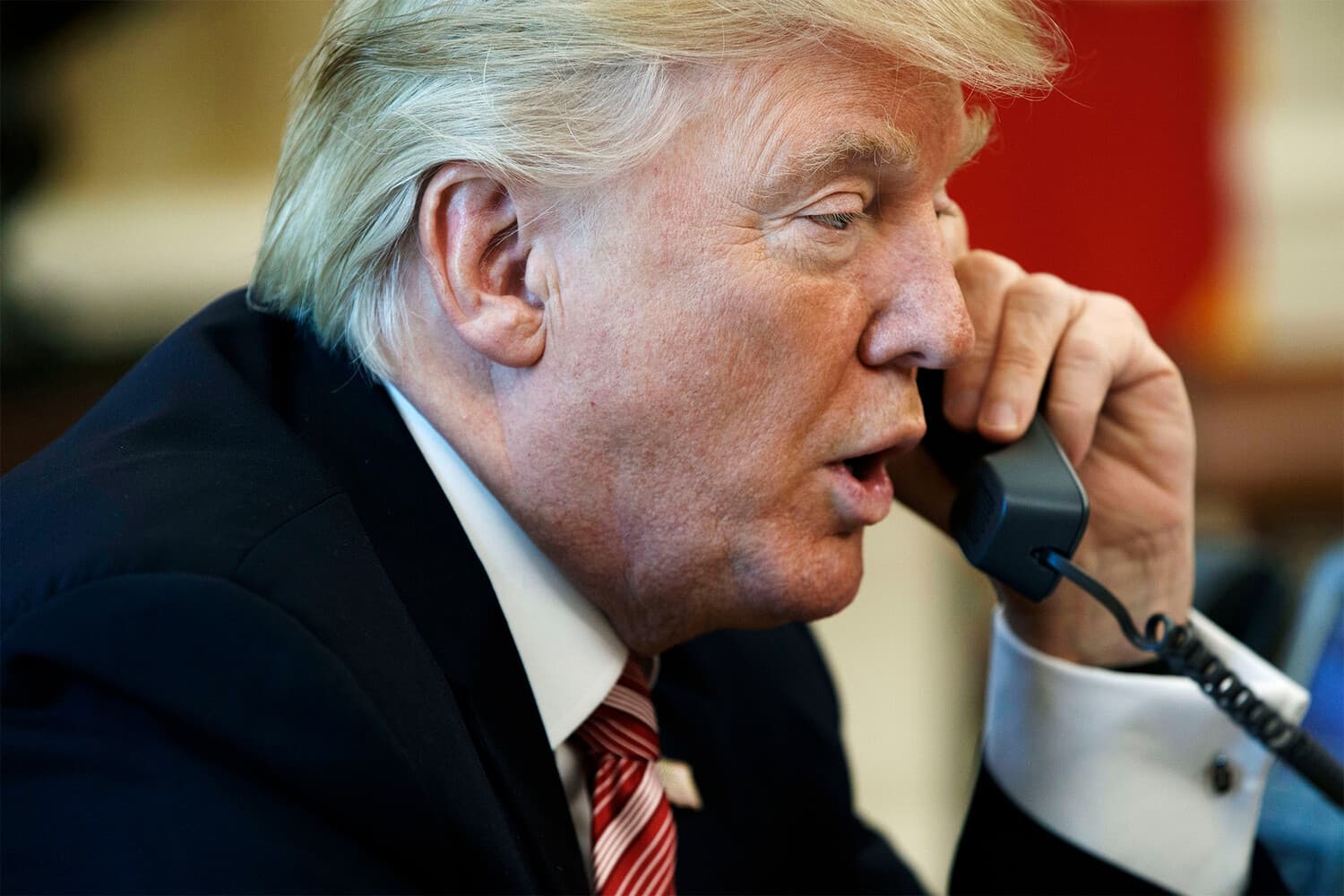
Other capitals have also supported the demand for Europe's participation. According to Kun.uz, after US President Donald Trump's statement about a possible 'very large-scale' agreement on Ukraine, an official spokesperson for the European Commission in Brussels said that decisions on EU security matters must be made by the union itself, but at the same time assessed the likelihood of a swift peace as low: 'There is still a long way to go, because so far we do not see serious steps from the other side.' German Foreign Minister Johann Wadephul stated in Berlin that Europe must play a 'central role' in the peace settlement, and that the principle of the German government is that 'the future of Ukraine cannot be decided without Ukraine itself, and European security issues cannot be decided without Europe.' Sources do not report on the content of a possible agreement or the timing of negotiations.