The key facts
- Prime Minister Christopher Luxon's National Party has 42 seats, Chris Hipkins' Labour 36; a majority in the 120-seat parliament requires 66 seats
- The outcome depends on the counting of about 300,000 special votes; official results are due on 27 November
- For the first time, the centrist Opportunity Party entered parliament and is being called a potential 'kingmaker'
No party has won a majority
New Zealand's general election, held on Saturday, produced no clear winner: the ruling National Party of Prime Minister Christopher Luxon and the opposition Labour Party received almost identical shares of the vote, and the formation of the next government depends on the counting of special ballots. This is reported by Anadolu and BBC News citing Radio New Zealand.
A nearly even score
According to preliminary data, both leading parties fell just short of 30% of the party vote, separated by only a few thousand votes. The publications differ on the details: Anadolu's first report, when 98.5% of ballots had been counted, showed the National Party at 29.3% (703,428 votes) against 29.3% (703,885) for Labour — that is, a minimal advantage for the opposition; a later report by the same agency gave Labour 29.4% (710,330) against 29.2% (706,680) for the National Party. The seat counts match: the National Party has 42 seats, Labour 36. A majority in the 120-seat parliament requires 66 seats; the BBC adds that in the current composition, 11 extra 'overhang' seats are projected.
What the special votes will decide
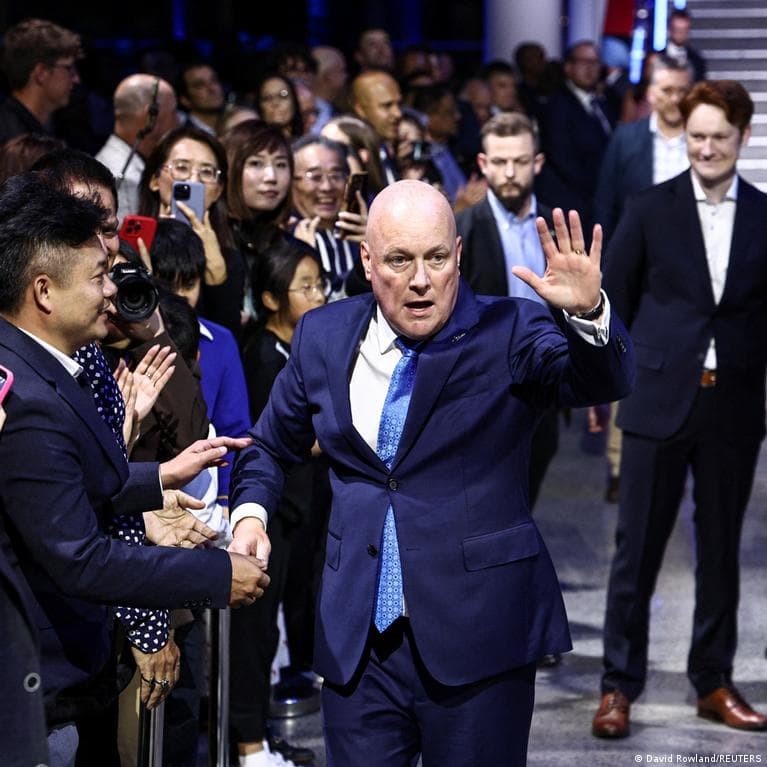
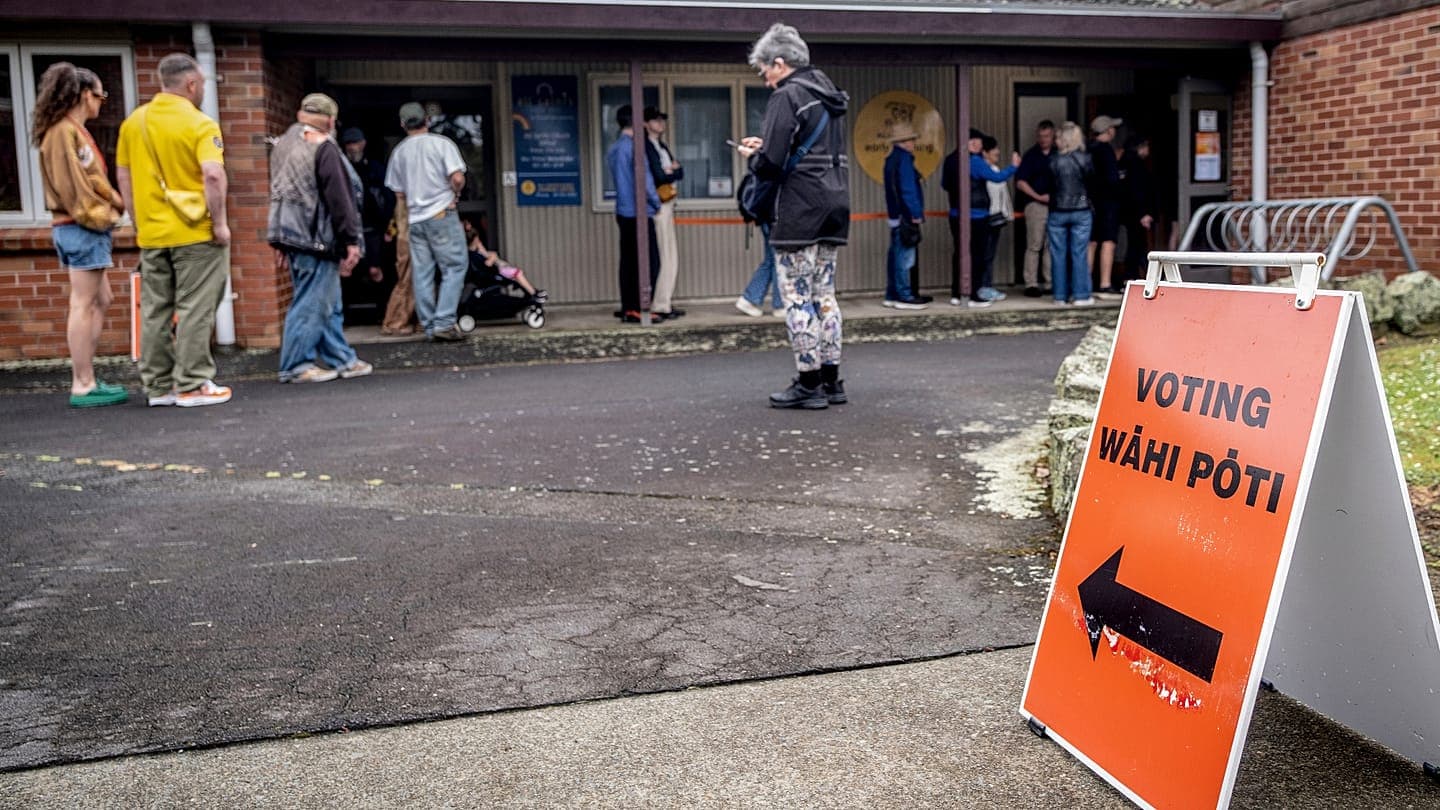
Prime Minister Luxon told supporters that the election was 'too close to call a winner' and that his party has 'a path to forming the next government,' but the outcome will be decided by about 300,000 special votes. Special votes are cast by voters not on the roll at their polling place, those on the unpublished roll, those overseas, and those who could not reach a polling station. The count will take several weeks, with official results promised on 27 November. Until then, Luxon pledged to maintain 'caretaker' conventions: the government will continue operating as usual, and substantive coalition talks will begin after the results are announced.
The coalition arithmetic and a new player
Luxon's ruling coalition consists of the National Party, ACT New Zealand (13 seats) and New Zealand First (12 seats); together they hold a minimal edge over the left bloc, if they can agree. Labour leader Chris Hipkins does not intend to concede and said that 'the shape of the next government' will remain uncertain 'for some time yet,' and that the next parliament will require compromise. According to the BBC, the Greens won 16 seats, the Opportunity Party 7, and Te Pāti Māori 5. The Opportunity Party crossed the five percent threshold for the first time: its leader Kula Wong said it is ready to work with either bloc, but would first negotiate with the party that won more seats. University of Otago professor Andrew Geddis called it a 'joker' capable of determining which bloc can govern, noting that everything will be decided by 'very fine margins' in individual electorates.
Campaign context
The BBC notes that the campaign took place against the backdrop of the cost of living and unemployment, and the combined support of the two largest parties — about 60% — is historically low. Roy Morgan pollster Julian McCrane told the outlet that Luxon had promised three years ago to improve New Zealanders' lives and solve economic problems, but 'has not truly delivered' on this. According to an annual survey on social cohesion, more than half of the country's residents no longer consider New Zealand a 'land of opportunity'; a record number of residents are leaving, mostly for Australia. Among the newcomers to the election campaign is the Free Palestine Party, whose leader Paul Hopkinson previously told Anadolu that the party intends to put the Palestinian question at the forefront of the campaign.