The key facts
- The National Party leads Labour by roughly 3,500 votes with 95% of ballots counted
- The centre-right bloc expects 67 of 120 seats — a bare majority
- Special votes will be counted over three weeks; final results are due on 27 November
Parliamentary deadlock after the election
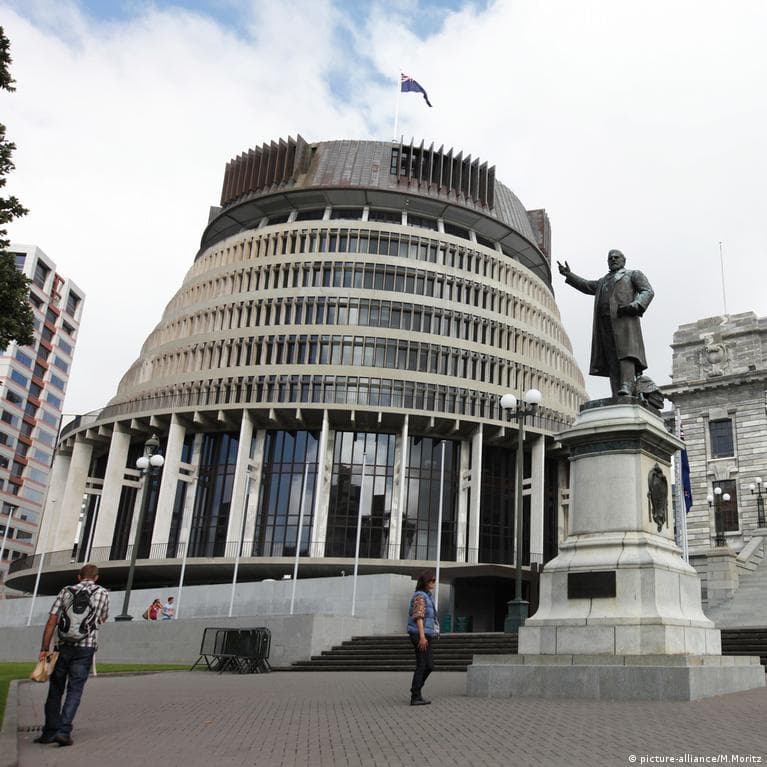
In New Zealand's parliamentary election held on Saturday, the two leading parties ended up virtually in a dead heat: according to Deutsche Welle, with more than 95% of the votes counted, the governing centre-right National Party and the opposition Labour Party each receive just under 30%, with the Nationalists holding a lead of about 3,500 votes. The main campaign themes were rising prices and general economic problems, including unemployment at its highest level in more than a decade.
The balance of power and a possible 'arbiter'
Incumbent Prime Minister Christopher Luxon said his party is 'once again the largest in parliament' and that it 'has a path to forming the next government'. The National Party governs in coalition with the pro-business ACT party and the right-wing populist New Zealand First; according to preliminary results, the three parties will together win 67 seats — a bare majority. Labour leader Chris Hipkins, who served as prime minister for ten months after Jacinda Ardern in 2023, called on politicians to seek 'common ground', noting that, judging by the results, neither of the two major parties will be able to form a majority on its own.
What the special votes will decide
Over the next three weeks, special votes will be counted, including those cast by voters abroad; according to the outlet, they usually favour left-wing parties and changed the preliminary outcomes in the last three elections. Final results are expected on 27 November. If the centre-right bloc fails to hold its fragile majority, the centrist Opportunity Party could play the role of 'arbiter': it is forecast to clear the 5% threshold for the first time since its founding in 2017 and win seven seats. Luxon has previously ruled out cooperation with this party.
The largest parliament in the country's history
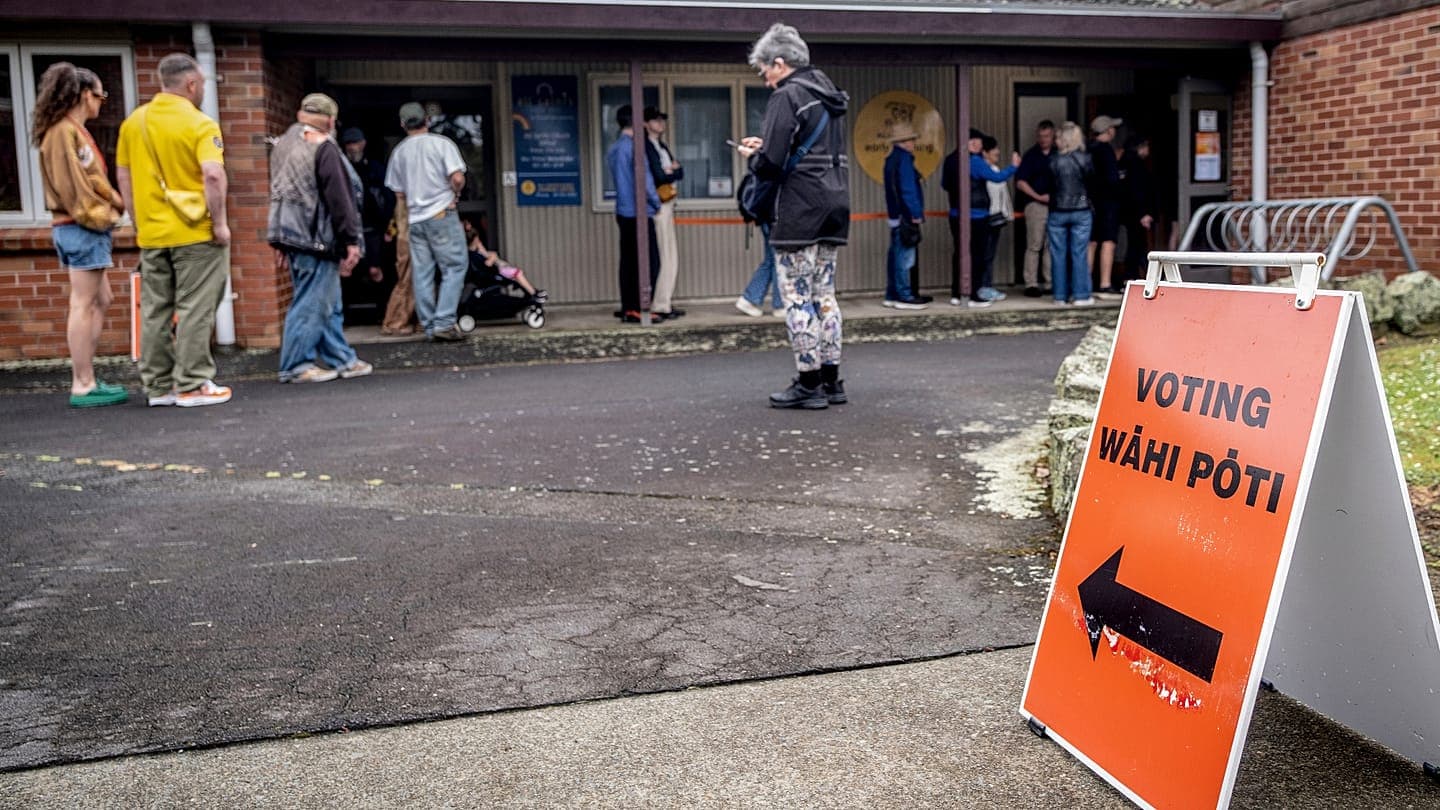
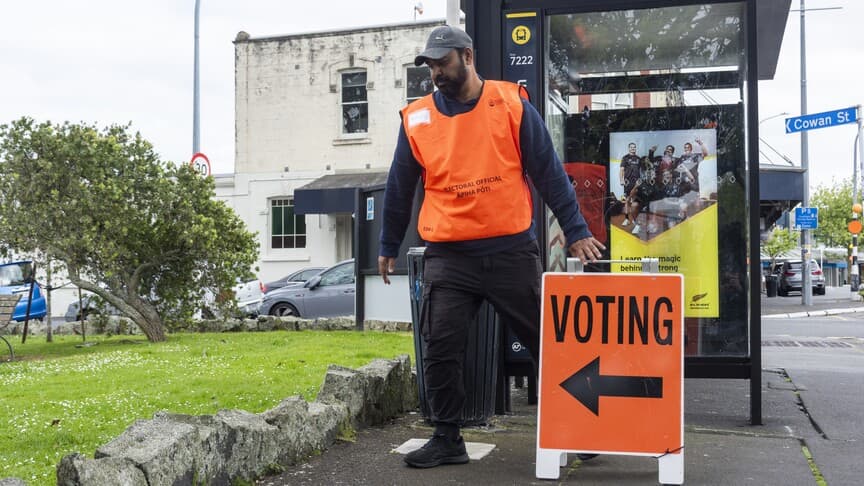
The election was held under a mixed proportional system: voters cast ballots both for a party and for a candidate in their constituency. Due to the so-called 'overhang', the parliament, which normally has 120 seats, will, according to preliminary data, expand to 130 — making it the largest parliament in New Zealand's history. Voting had been available since 26 October: according to the electoral commission, by Thursday almost 1.7 million of the 3.8 million voters had cast their ballots. Strict laws prohibiting media coverage of the campaign were in force on election day.