The key facts
- Voting ended on Saturday; final results due on 27 November
- Luxon's National Party and Hipkins' Labour are running neck and neck
- According to polls, neither major party will win a parliamentary majority
Too close to call a winner
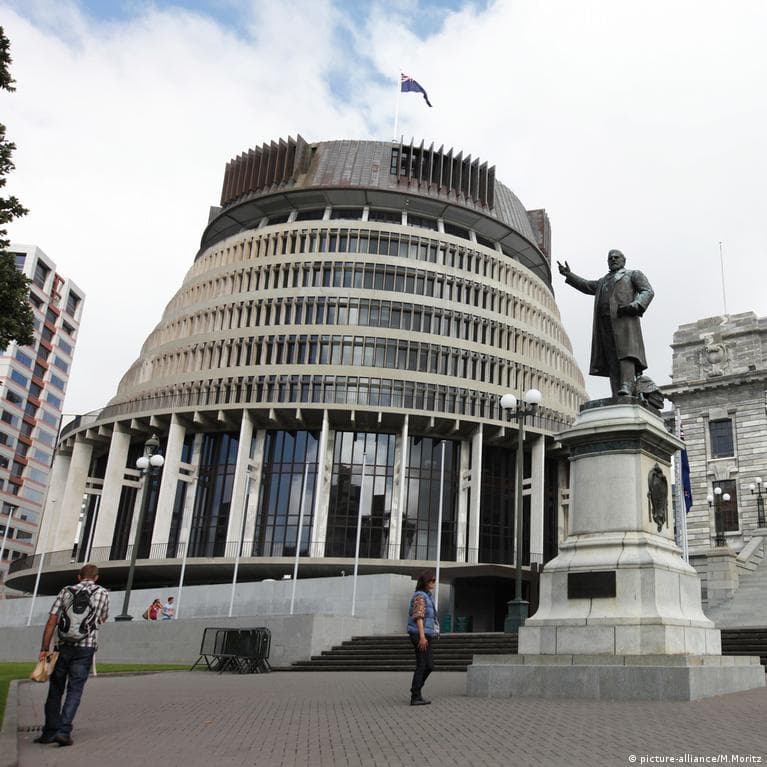
In New Zealand, voting in the general parliamentary election closed on Saturday, held against the backdrop of high prices for basic goods and the highest unemployment in more than a decade — economic problems were precisely the main theme of the campaign. This is reported by Deutsche Welle (https://www.dw.com/en/new-zealanders-end-vote-on-final-day-of-tight-elections/a-79883056).
Contradictory preliminary figures
Even the outlet's preliminary figures contain a discrepancy. In the first version of the report, published immediately after polling stations closed at 19:00 local time, the governing centre-right National Party was receiving almost 31%, while the opposition Labour Party had almost 30%. In DW's updated version, as of 21:44 with more than half of the votes counted, both parties were level — at 29% each. This illustrates how tight the contest is: the final result is not expected to be announced until 27 November.
Who is vying for power and how the system works
The main rivals are incumbent Prime Minister Christopher Luxon, who leads the National Party, and Labour leader Chris Hipkins. The latest poll, published on Friday, put Labour at 30% — slightly ahead of the Nationalists — but the election is considered too close to call, and, according to estimates, neither of the two major parties will win the majority needed to form a government on its own. The centrist Opportunity Party, according to polls, is clearing the 5% threshold that grants parliamentary seats without winning constituencies.
Voting specifics
Voting on the final day took place under strict rules: New Zealand law prohibits the media from covering the campaign on election day. Early voting opened on 26 October — according to the electoral commission, by Thursday almost 1.7 million of the 3.8 million eligible voters had cast their ballots. The country uses a mixed proportional system: each voter casts two votes — one for a party and one for a candidate in their constituency; constituency winners take seats in the usually 120-seat parliament, with the remaining seats allocated from party lists.