The key facts
- Abbas Araghchi held separate telephone conversations with the foreign ministers of 12 countries within 48 hours
- They discussed sovereignty, an end to aggression, and regional security without the participation of non-regional forces
- Context — ongoing diplomatic efforts to reduce tensions between Washington and Tehran
Twelve conversations in two days
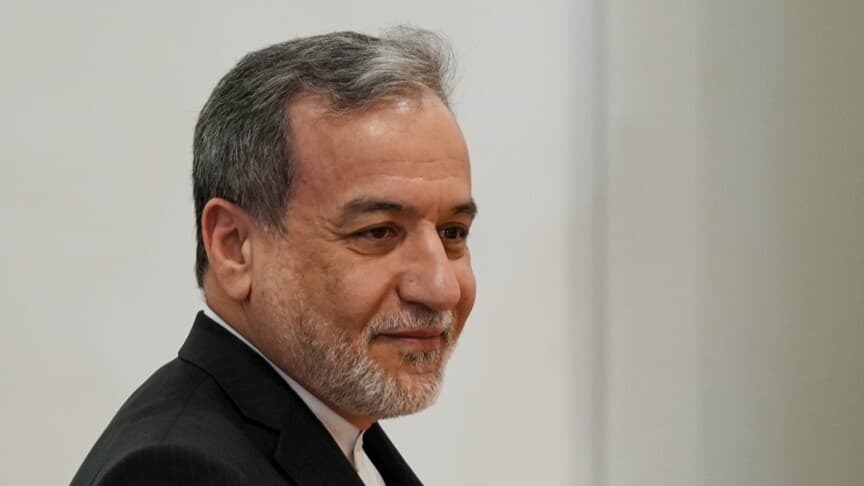
Iran's Foreign Minister Abbas Araghchi stated that over the past 48 hours he held separate telephone conversations with the foreign ministers of 12 countries. He announced this on Saturday in an Instagram post, as reported by Zamon.uz and the Anadolu agency. The list of interlocutors includes the heads of the foreign ministries of Oman, Egypt, Jordan, Saudi Arabia, Qatar, Cyprus, Turkey, Kuwait, the UAE, Tunisia, Iraq and Pakistan. Notably, the list includes both countries of the region and Cyprus and Pakistan — meaning the circle of consultations is broader than the Middle Eastern neighborhood.
What Tehran talked about
According to the minister, he set out Tehran's 'fundamental positions' and stressed the need to respect the national sovereignty of states, end aggression and threats, prevent destructive interference by external forces, and stop the spread of instability. Araghchi stated that Iran has the legitimate right to defend its sovereignty and national security, and that regional security mechanisms should be formed without the participation of non-regional powers. He also pointed to the responsibility of the regional states themselves for ensuring that instability does not spread further.
Context: dialogue amid confrontation
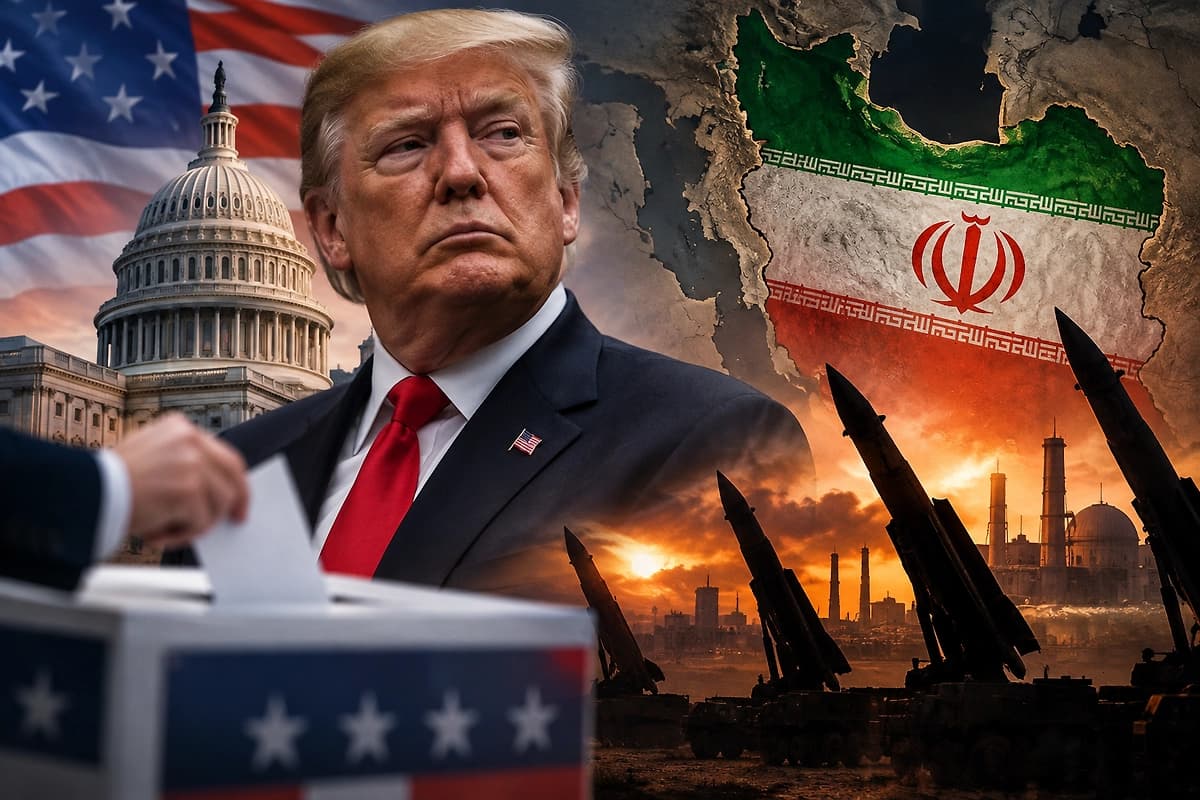
Anadolu notes that this series of contacts is taking place against the backdrop of ongoing diplomatic efforts to contain tensions between Washington and Tehran and prevent a new military clash. According to the agency, Washington demands concessions from Iran on its nuclear program as a condition for resuming talks, while Tehran insists on the lifting of American sanctions, the unfreezing of Iranian funds and permission for oil exports. The agency also recalls that the US and Israel struck Iran on February 28, 2026, a ceasefire was reached in April, and in July, amid stalled talks on a broader settlement, the military confrontation resumed. The telephone conversations themselves are a presentation of one side's positions, not a joint statement by the 12 countries: sources do not report any counter-formulations from the interlocutors.