The key facts
- Stephen Miller replaced Susie Wiles as White House chief of staff on November 9
- According to NYT, Miller urged Trump to gradually end the military campaign against Iran
- Pete Hegseth favors new strikes; the president has not announced a final decision
Miller against escalation
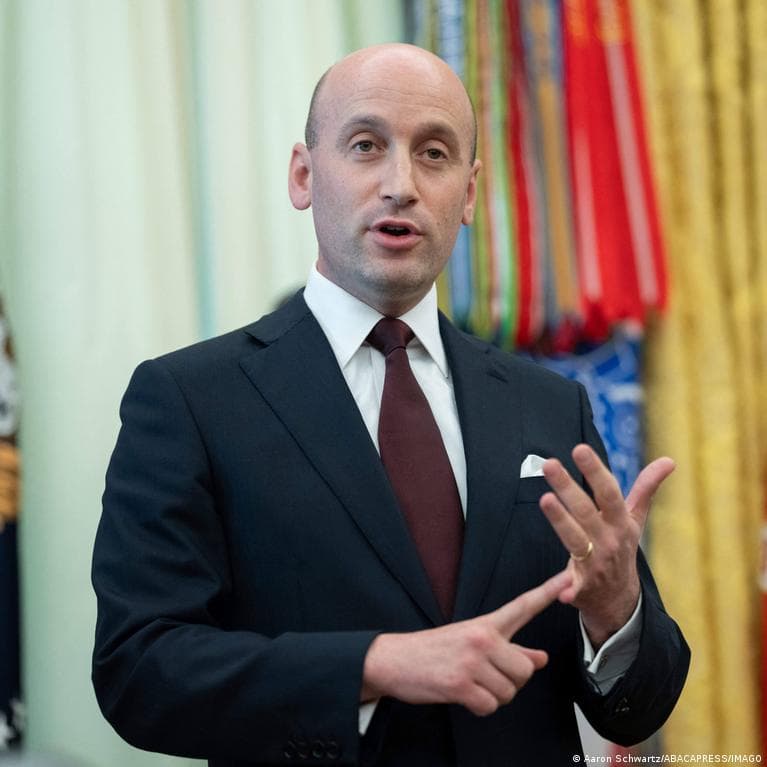
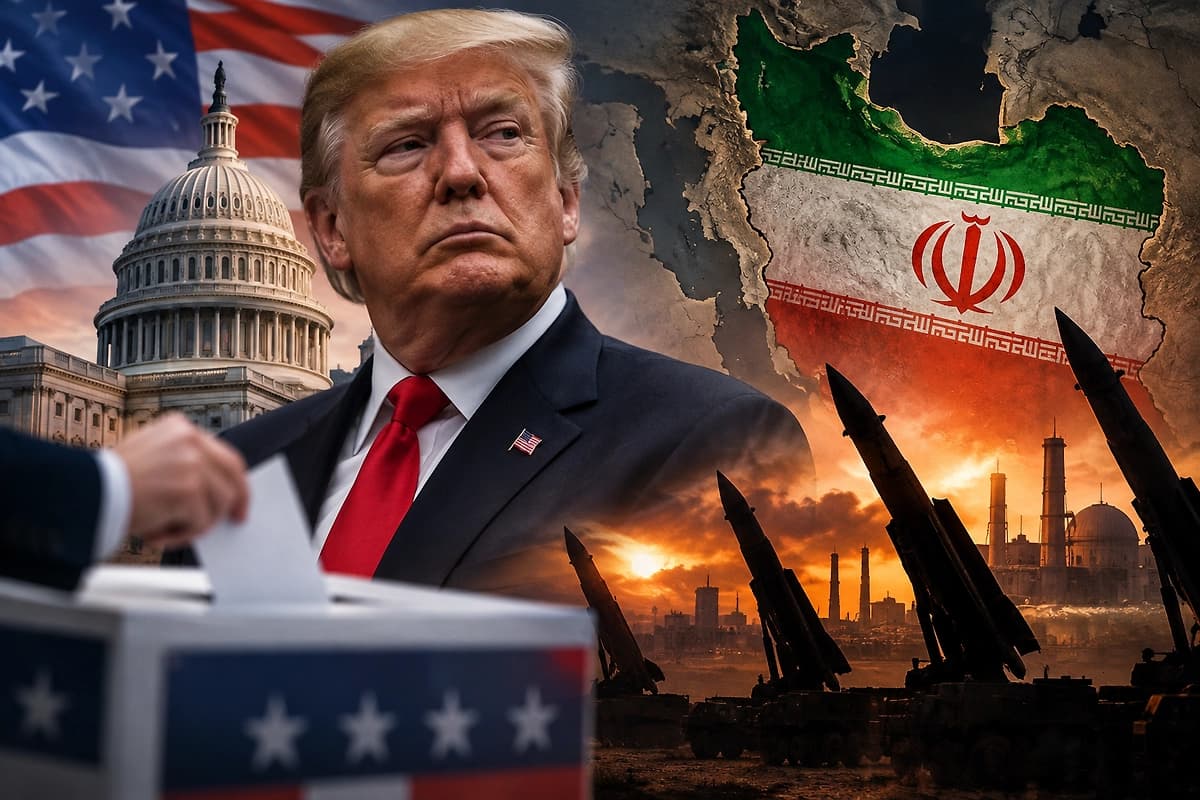
New White House chief of staff Stephen Miller advised US President Donald Trump to avoid further escalation of the conflict with Iran and to gradually wind down the military campaign. The New York Times reports this, citing sources familiar with the content of the conversation; Miller laid out his position back during the discussion of his appointment. According to the outlet, one of the arguments was the reaction of Trump's supporters: many of them saw the start of the war as a violation of the president's campaign promises, as he had previously opposed protracted foreign conflicts.
Disagreements within the administration
There is no unified position on Tehran within the US administration. Pentagon chief Pete Hegseth favors resuming large-scale strikes, while other members of the president's circle fear that a new military operation would undermine a deal with Iran. According to NBC News, which Life.ru cites, some advisers proposed resuming the strikes within the next eight weeks — before the new Congress takes office in January, where Democrats will hold a majority in both chambers and will be able to launch investigations and push for an end to military action. Among the supporters of the offensive, the TV channel named Hegseth; opposed, according to its data, were Vice President JD Vance, Secretary of State Marco Rubio, special envoy Steve Witkoff, and Jared Kushner. Trump has not announced a final decision on a new operation.
Staff reshuffle after the elections
Trump announced Miller's appointment on November 6: from November 9 he will replace Susie Wiles as head of the presidential staff. Before the promotion, Miller served as deputy chief of staff and was involved in shaping immigration policy. The reshuffle followed the midterm elections, in which the Republican Party lost control of both chambers of Congress. US media cite the war with Iran as one of the reasons for the decline in Republican support; Trump himself, according to The New York Times, acknowledged the conflict's impact on the election results, but continued to defend the decision to launch military action.