The key facts
- Democrats won the US midterm elections, taking the House of Representatives and a majority of governorships
- Albanese urged the US to de-escalate the war with Iran and linked the conflict to prices for essential goods in Australia
- The April ceasefire and June memorandum failed to resolve the conflict
Call for de-escalation against the backdrop of election results
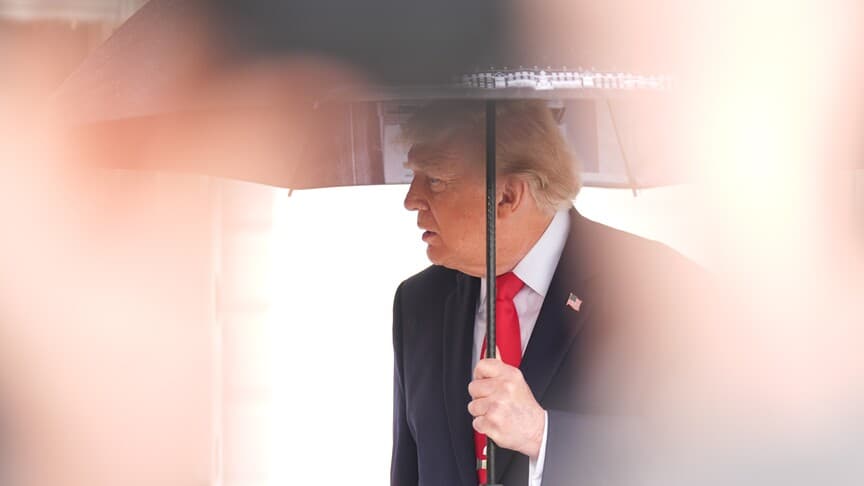
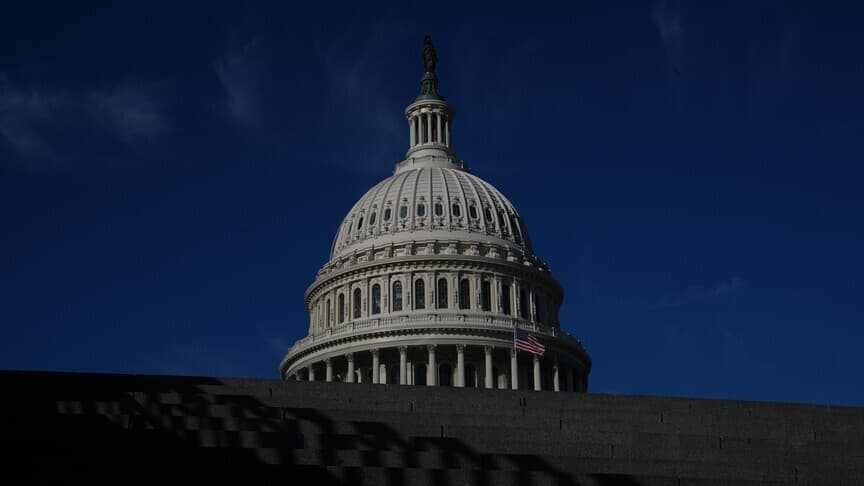
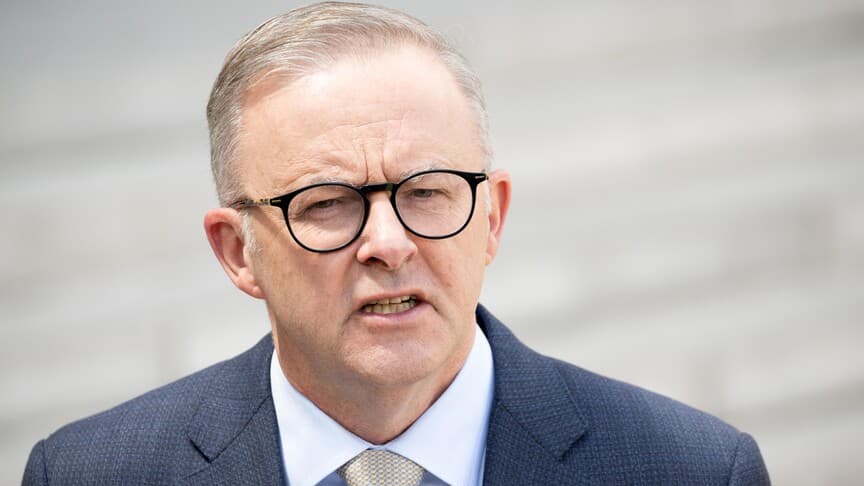
Australian Prime Minister Anthony Albanese called on the United States to de-escalate the war with Iran after the Republican Party suffered defeat in the midterm elections. He described the voting results as highly significantand said they had become one of the key topics of discussion among leaders at the Commonwealth Heads of Government Meeting (CHOGM), the Australian Broadcasting Corporation ABC reported, citing Anadolu. In Tuesday's elections, Democrats won control of the US House of Representatives and captured a majority of governorships across the country.
War, the Strait of Hormuz and the cost of living
“Whether it is inflation in the global economy or the need for free trade… every country [at CHOGM] wants to see an end to the war and the reopening of the Strait of Hormuz,” Albanese said. He linked the war with Iran to the cost-of-living crisis in Australia and said he would continue to advocate for de-escalation in contacts with Washington. At the same time, the prime minister believes he does not need to take a tougher stance toward President Donald Trump: “I have said publicly and directly [to Mr Trump] that it is time to move to de-escalation,” Anadolu quoted him as saying. According to him, Australians can expect him to act diplomatically in the country's national interests.
Context of the conflict
The US and Israeli military offensive against Iran began on February 28. A ceasefire was reached in April, and a memorandum of understanding was signed in June as part of efforts to conclude a peace agreement, but these attempts did not succeed, and the conflict remains unresolved. Thus, Albanese's call came amid the ongoing conflict, which, in his assessment, affects Australia's economic situation through global inflation and trade conditions.