The key facts
- Iran's army spokesman did not rule out a new US attack, naming Washington's political difficulties as a possible cause
- According to him, the response must be immediate and without geographical restrictions, and US bases outside West Asia are within the reach of Iranian missiles and drones
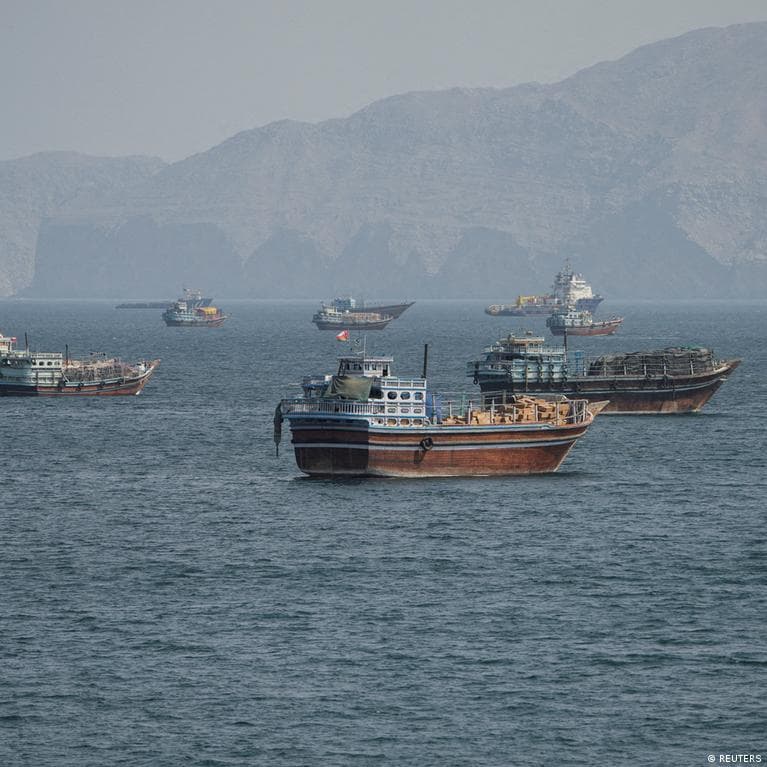
- Iran considers the Strait of Hormuz under its strategic control and will not open it until its conditions are met
Warning amid reports of ships being withdrawn
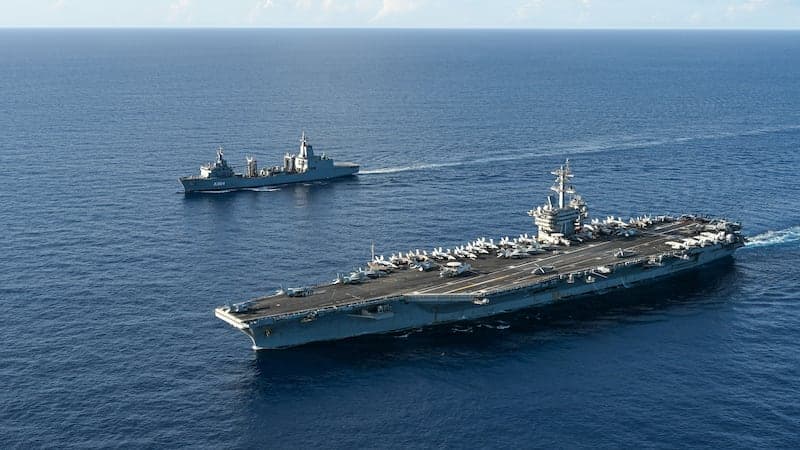
On Friday, Iran warned that the United States could launch a new military strike on the country, despite reports that American warships are being withdrawn from the region, the ISNA agency reports, citing the official spokesman of the army, Brigadier General Mohammad Akraminia. According to him, the possibility of renewed US military action cannot be ruled out, and Washington may resort to a new attack because of its political difficulties.
Statements on the scale of the response and the strait
Akraminia warned that any new US attack would receive a decisive response from Iran's armed forces. Citing the directives of the supreme leader, he stated that the response to an attack must be immediate, effective and without geographical restrictions, and that US bases and interests beyond West Asia and the Persian Gulf are within the reach of Iranian missiles and drones and could be struck in the event of a new attack. The army spokesman also said that the Strait of Hormuz remains under Iran's strategic control and will not be opened until its conditions are met, adding that the armed forces are fully ready to defend the country.
Context of the conflict
According to the publication, the United States and Israel launched a military offensive operation against Iran on February 28. A ceasefire was reached in April, and in June a memorandum on concluding a peace deal was signed; however, as Anadolu notes, this brought no results and the conflict remains unresolved to this day. Against this backdrop, the defense ministry's statement about keeping the Strait of Hormuz — a key artery of global oil trade — closed means that the formally declared ceasefire has removed neither the military threats nor the economic pressure associated with shipping in the region.