The key facts
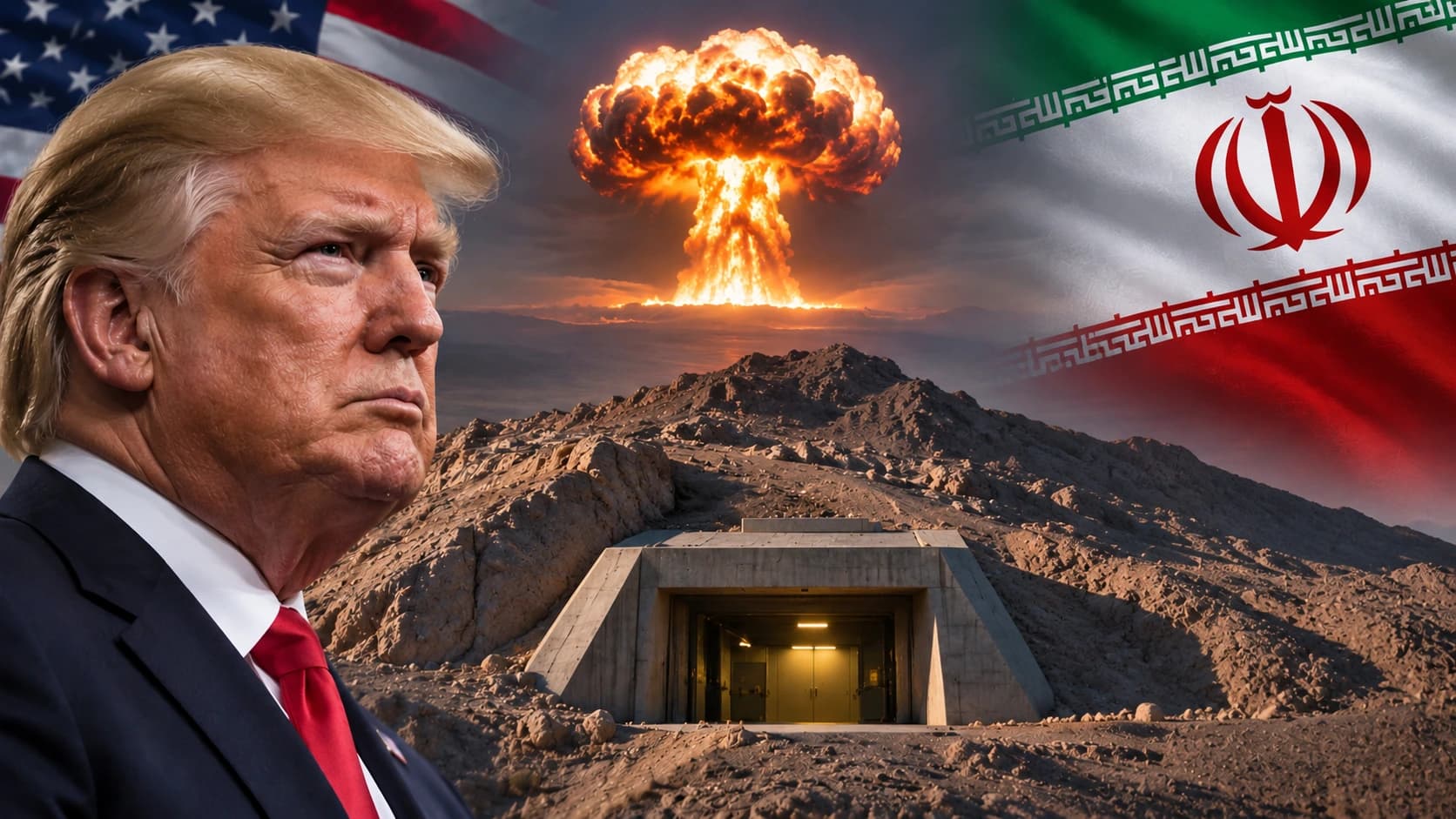
- The discussion was prompted by Tucker Carlson's warning about a possible nuclear strike on a facility near Pickax mountain.
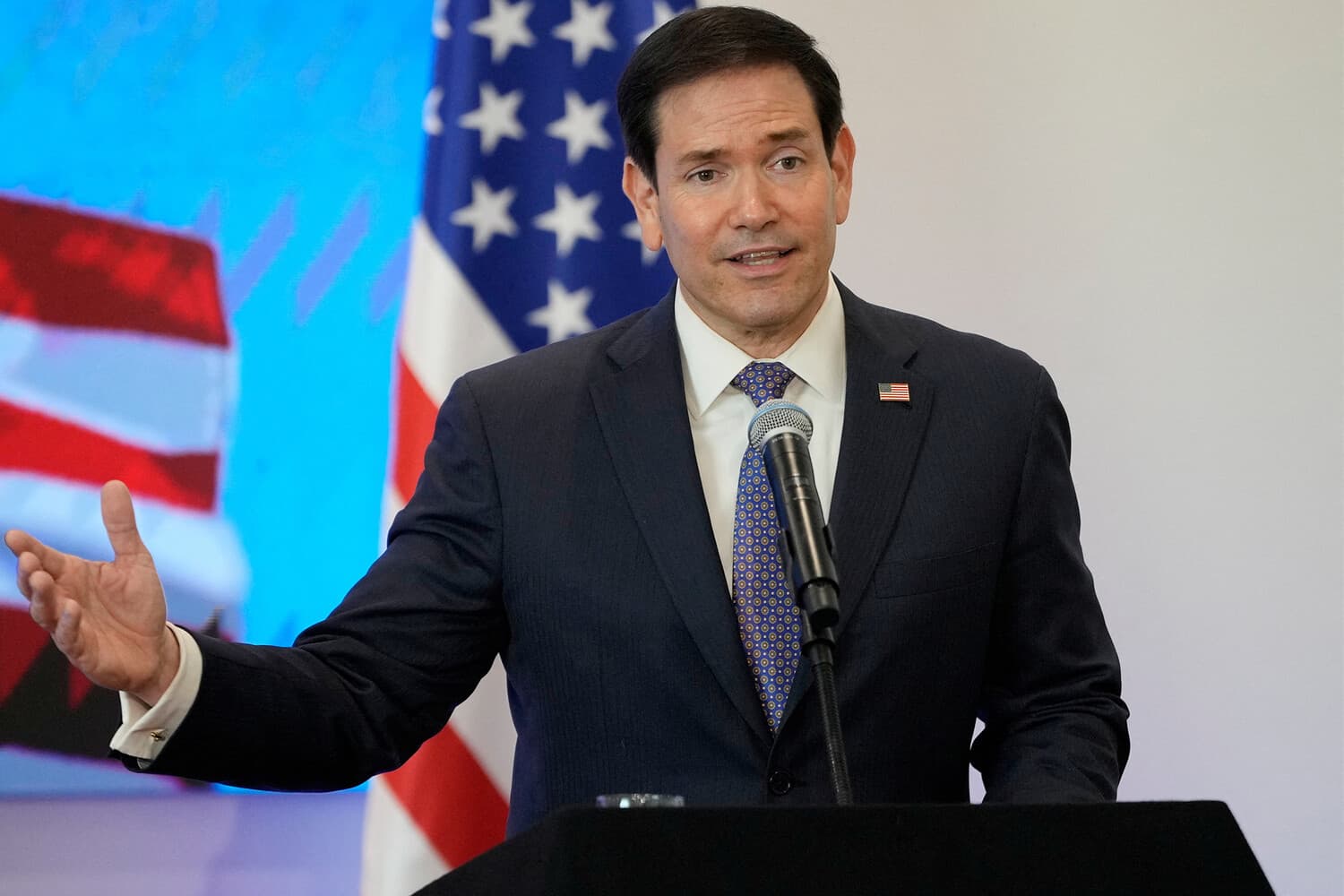
- Vlad Shlepchenko rates the probability of a nuclear strike as 'close to zero' due to the need for congressional approval.
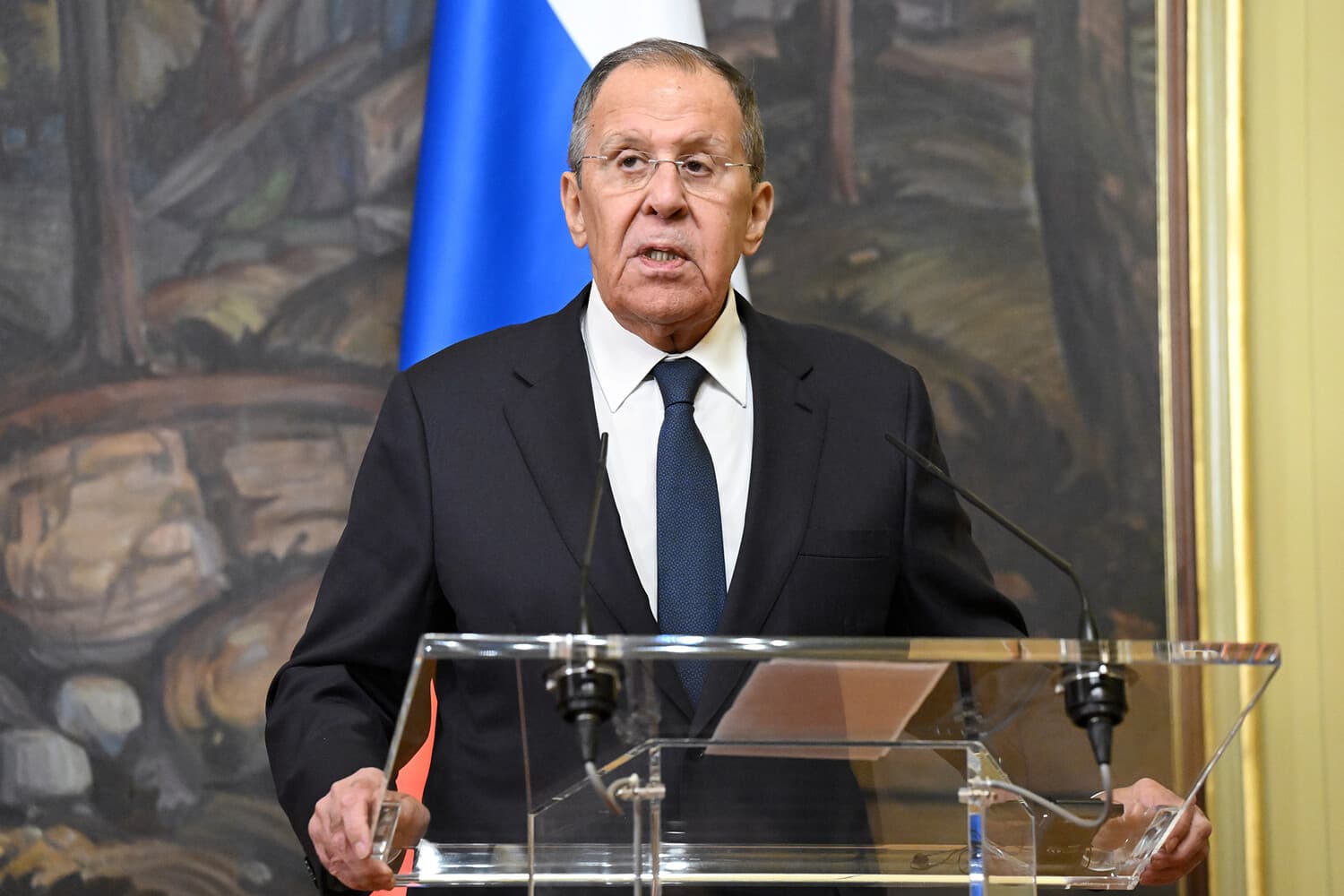
- Vladimir Kireyev believes Israel will not allow negotiations between Washington and Tehran to take place.
Carlson's warning and expert assessments
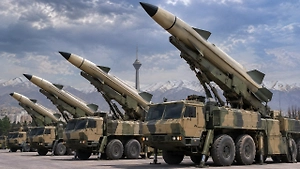
The discussion of a possible US strike on an Iranian nuclear facility was triggered by a warning from American journalist Tucker Carlson. According to him, what may be at stake is a nuclear strike on an underground facility near Iran's Pickax mountain, which is protected by a nearly one-hundred-meter layer of granite — ordinary American bunker-busting munitions, the journalist said, are incapable of penetrating such a layer. Carlson also suggested that Israeli Prime Minister Benjamin Netanyahu is pushing Donald Trump toward a military solution, although, in his words, there are still advocates of negotiations with Tehran within the US administration.
Why a strike is unlikely: Shlepchenko's position
Military commentator Vlad Shlepchenko in a comment for Tsargrad called a nuclear strike on Iran unlikely. In his assessment, Trump's position within the country has been weakened, and military operations are constrained by the need to work with Congress, which must approve military action. 'Therefore, the probability that he could carry out any kind of nuclear strike is close to zero,' the expert believes.
Kireyev: the obstacle is Israel's position
Political scientist Vladimir Kireyev shifted the focus from the technical feasibility of a strike to the diplomatic outlook. In his view, the interests of Washington and Tel Aviv have diverged significantly, yet the American authorities still depend on their Middle Eastern ally. 'Iran is ready to negotiate, and the United States is ready to negotiate. But Israel will not let these negotiations happen,' Kireyev stated, suggesting that any agreements between Washington and Tehran would remain at risk as long as the US maintains its current relationship with Israel.
What is known and what remains uncertain
Both comments were published by Life.ru and represent expert assessments rather than confirmed government plans: neither the US administration, nor Iran, nor Israel made any such statements in these publications. The two accounts also differ in emphasis — Shlepchenko points to internal American constraints, Kireyev to the Israel factor — while both proceed from the assumption that a negotiated scenario is in principle possible.