The key facts
- On October 21, protesters blocked traffic in Monterrey for an hour; actions continue in Monterrey and Mexico City
- IMSS director Zoé Robledo announced a 12-point plan through February 2027 with an 8% pay raise — workers rejected it, demanding at least 10%
- Deputy Health Minister Eduardo Clark acknowledged medicine theft but rejected petty theft as the main cause of the shortage
Protests against conditions in the country's largest healthcare system
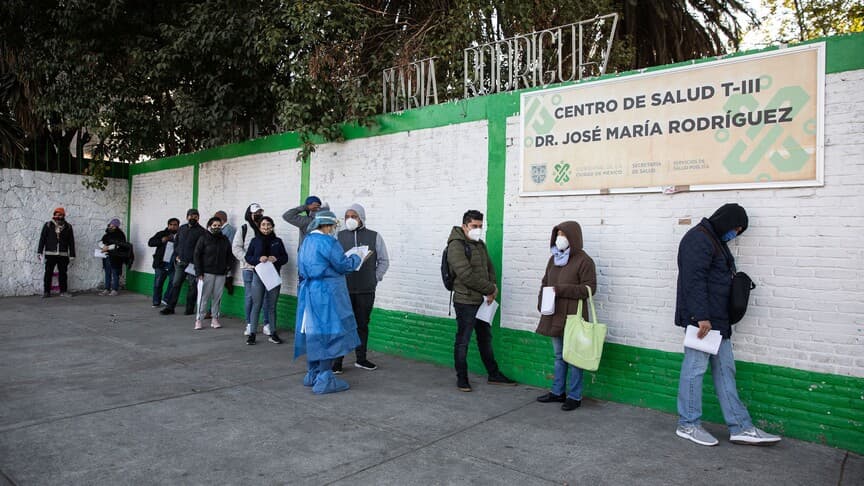
'Make sure you don't get sick, because there are no supplies' — with this warning, dozens of doctors, nurses, lab technicians and administrative staff of the Mexican Social Security Institute (IMSS), the country's largest public provider of medical services, took to the streets of Monterrey in late October. On October 21, they blocked major highways for more than an hour, demanding pay raises, additional hiring, and an end to the chronic shortage of medicines and medical equipment. Smaller actions were also held last week in Mexico City and Monterrey; workers promise to continue until their demands are met. This is reported by Anadolu citing participants in the protests.
Government proposals and the workers' response
IMSS director Zoé Robledo announced a 12-point emergency plan running through February 2027: it includes an 8% pay raise, equipment upgrades, facility repairs, and measures to secure medicine supplies. However, at national consultations in mid-October, workers had already rejected the proposed 2.9% salary increase and 3.9% in benefits, demanding a direct raise in base salaries of at least 10%. They also immediately rejected Robledo's 8% offer on October 21: pathology and molecular biochemistry specialist José Rosales called it a 'mockery' and said workers had 'reached their limit.' According to the protesters, low pay pushes doctors into the private sector, increasing the burden on public institutions. President Claudia Sheinbaum acknowledged the legitimacy of the IMSS workers' demands and said the government is working to address them, while calling on union members to show flexibility in negotiations.
Conflict with the union and the question of theft
Discontent is also directed at the union leadership: masked protesters carrying images of Rafael Olivas Hernández, head of the National Union of Social Security Workers (SNTSS), demanded his resignation, accusing the organization of failing to defend their interests. Elsa González, a nurse with more than 20 years of experience, said the workers are acting 'without any help from the union'; they are demanding the convening of an extraordinary union congress. Another contentious issue is the causes of the shortage: on October 20, Deputy Health Minister Eduardo Clark acknowledged that medicines intended for public hospitals are being stolen and sold illegally, but rejected petty theft as the main cause of shortages at IMSS facilities. Nurse Areli Reyes, by contrast, said: 'There are no supplies, there is nothing — but there is a lot of corruption,' adding that the problem 'starts at the very top,' and criticized the deployment of the National Guard in hospitals to prevent theft.
The cost of the shortage for patients and families
The medicine shortage also falls on patients' families. Outside IMSS Clinic No. 17 in Monterrey, relatives keep vigil on the sidewalk around the clock; 23-year-old César Castillo has been waiting every day for three months outside the emergency department, where his mother is being treated for a biliary tract infection following gallbladder surgery — according to him, due to the shortage she is receiving only paracetamol. The family has filed an official complaint about medical negligence and delayed treatment. Kayla González was forced to buy insulin for her hospitalized grandmother outside the hospital; according to figures cited in the publication, out-of-pocket spending accounts for about 41% of Mexico's total health expenditures, and the country spends about 5.9% of GDP on healthcare, compared with the OECD average of 9.3%. The situation is worsened by the fragmentation of the system: access to services largely depends on employment status, and patients face long waits and worn-out infrastructure. Protesters say they will continue their actions, demanding wages, staff, and reliable supplies.