The key facts
- Nasdaq fell 5.52%, losing about $2.5 trillion in market value; the S&P 500 dropped 4.4%
- The Kospi in Seoul fell as much as 8.8% with trading halted for 20 minutes; the Nikkei lost 5.5%
- US midterm election results added to concerns: Democrats promised to restrict data center construction
Asia follows Wall Street
Japanese and South Korean shares plunged on Friday after a massive selloff in technology stocks on Wall Street the day before, Deutsche Welle reports. The Nikkei 225 index in Tokyo lost 5.5% in early trading, while the tech-heavy Kospi in Seoul fell as much as 8.8% — so sharply that an automatic circuit breaker was triggered and trading was halted for 20 minutes. Taiwan's TAIEX dropped by more than 8%. Futures on European indices fell 1%, pointing to a possible spread of the selloff to Europe.
Who was hit hardest
The main blow fell on Asian tech giants tied to artificial intelligence. Samsung Electronics fell nearly 10%, and SK Hynix more than 11%. In Japan, chipmakers slumped: Tokyo Electron traded about 9% lower, while Kioxia lost 13%.
What happened in the US
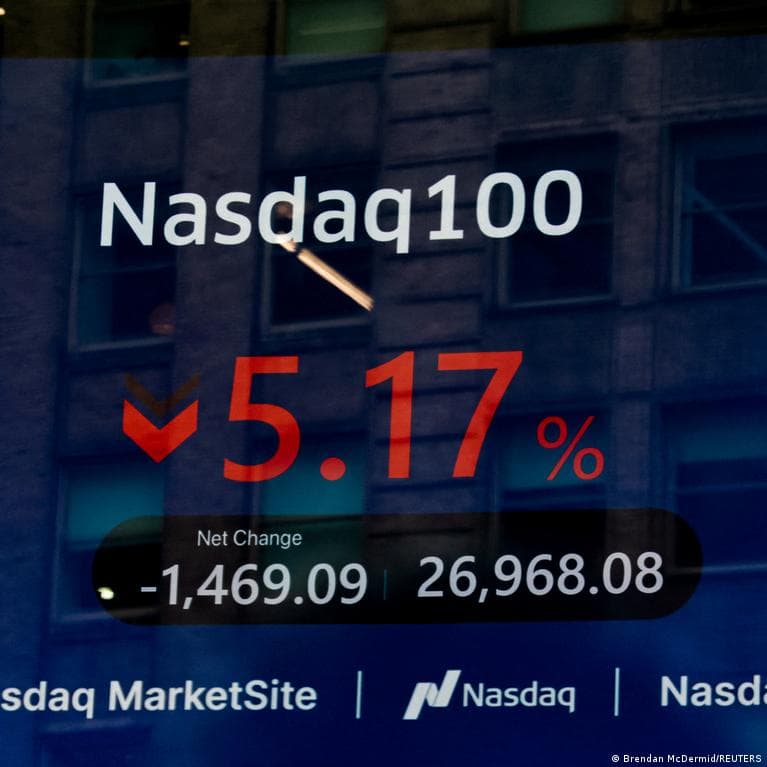
On Thursday, the American market was hit by a sharp drop in technology stocks, above all companies involved in building AI infrastructure, including data centers. The Nasdaq index fell 5.52%, losing about $2.5 trillion (roughly €2.23 trillion) in market value, while the broader S&P 500 dropped 4.4%.
Two reasons for investor anxiety
According to Deutsche Welle, the selloff comes amid growing investor concern over colossal AI spending plans and whether they will ultimately deliver commensurate returns. An additional factor was the outcome of the US midterm elections, in which Democrats won control of both chambers of Congress: a number of newly elected Democratic governors campaigned with promises to slow AI development and to stop or pause data center construction amid growing public resistance to such projects. Michael McCarthy, head of Moomoo for Australia and New Zealand, told Reuters the developments amounted to 'a real shift in sentiment' and noted that market reversals are often accompanied by sharp divergences and violent swings in both directions.