The key facts
- In a letter to Costa, Meloni criticized duplicative negotiating formats and demanded a discussion of EU representation at the informal summit in Dublin
- She cited examples: a meeting of advisers in Miami, a call by the leaders of Finland and Norway to Putin, and the E3, «coalition of the willing» and «Berlin format» frameworks
- Russia confirmed its participation in the talks in Abu Dhabi on November 10–11; the delegation will again be led by Vladimir Medinsky
Meloni's letter on Europe's lack of coordination
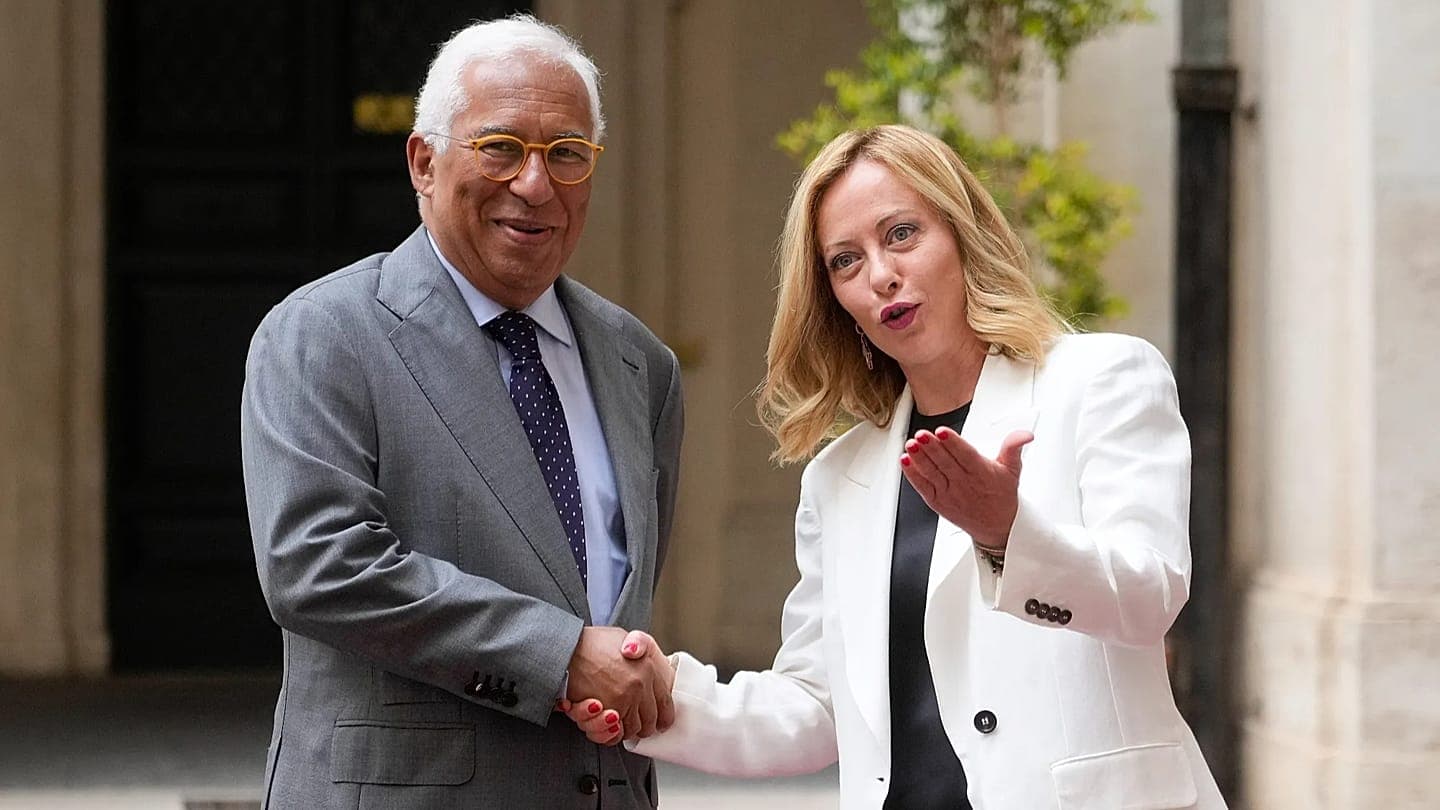
Italian Prime Minister Giorgia Meloni sent a letter on Thursday to European Council President António Costa, in which she criticized the EU's uncoordinated approach to peace negotiations with Russia. Euronews has seen a copy of the letter. According to her, European leaders have recently been launching numerous initiatives without a common direction or a clear mandate. «By acting in a disjointed manner, with initiatives that chase and overlap one another, we will help neither ourselves, nor our partners, nor those whom we must convince to stop this senseless aggression. [...] All of this makes us less convincing,» Euronews quotes the letter as saying.
Which formats drew criticism
In the letter, Meloni listed examples of such fragmentation: an informal meeting in Miami involving national security advisers from several European countries, Ukraine, and representatives of NATO and the EU, as well as a phone call between the leaders of Finland and Norway and Russian President Vladimir Putin. She also pointed to the multiplicity of negotiating groups: the «E3» (France, Germany, the United Kingdom), the «coalition of the willing» of 37 countries inside and outside the EU, and the «Berlin format» consisting of Germany, France, Poland and representatives of NATO, the G7 and the EU. The letter came against the backdrop of a meeting between «E3» representatives with the US and Ukraine in Brussels on ways to end the war. Bloomberg cites another quote from the same letter: «I am convinced that we all realize: by projecting the image of a Europe acting in a disjointed way, we are simply playing into the hands of those who want this war to continue.»
Demand for a single voice and domestic pressure
Meloni asked to put the issue on the agenda of the informal European Council summit in Dublin next week, in order to decide how the EU will be represented at the peace negotiations. «Europe must speak with one voice on the Ukrainian issue. This need can no longer be postponed,» she wrote. Euronews notes that the prime minister is under pressure at home: the opposition accuses her government of being invisible on the international stage, while a number of political forces, including part of her own majority, are demanding an end to military aid to Ukraine.
Context: the talks in Abu Dhabi
Meloni's criticism came against the backdrop of preparations for a new round of negotiations. On November 3 US presidential envoy Steven Witkoff announcedthat Russia and Ukraine, with US mediation, would hold talks on November 10–11 in Abu Dhabi, and Kremlin press secretary Peskov confirmed the participation of the Russian delegation and named presidential aide Vladimir Medinsky as the chief negotiator. According to Gazeta.Ru, this will be the first meeting in a trilateral format after an almost nine-month pause; the parties intend to discuss the terms of a ceasefire, security guarantees and humanitarian issues. At the same time, Moscow and Kyiv agreed to resume the talks, but did not separately confirm the dates announced by Washington. Euronews clarifies that the round in Abu Dhabi, mediated by American officials, will cover security and de-escalation issues.