The key facts
- Kushner named five directions: permanent communication channels, regular consultations, military transparency, prevention of escalation, and a long-term security system in Europe
- According to him, the agreements must preserve the sovereignty of states and the right to choose military alliances; NATO will remain the foundation of Europe's defense
- Talks between Russia, the US, and Ukraine in Abu Dhabi will take place on November 10–11 — the first trilateral consultations since February
Five directions of the future agreements
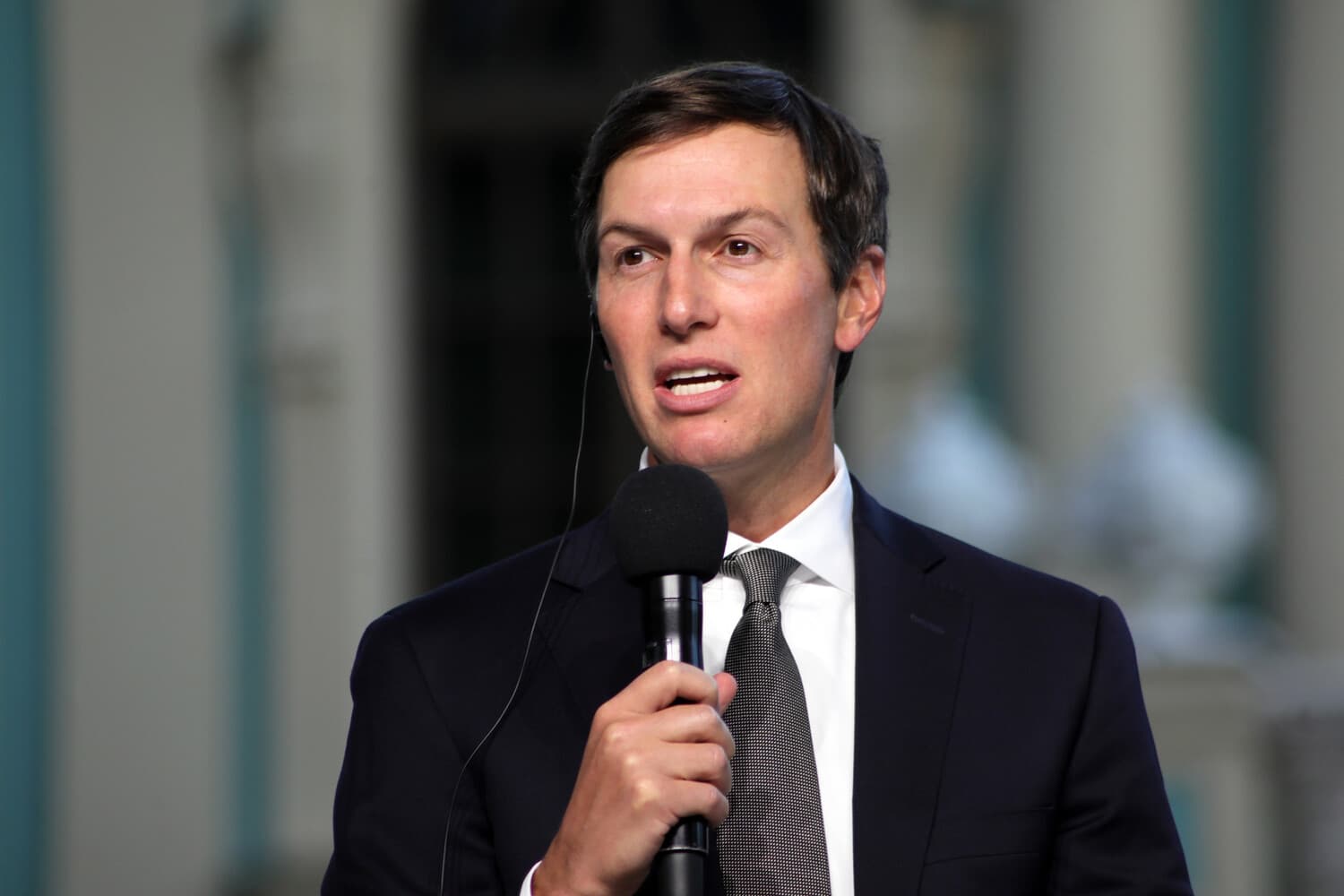
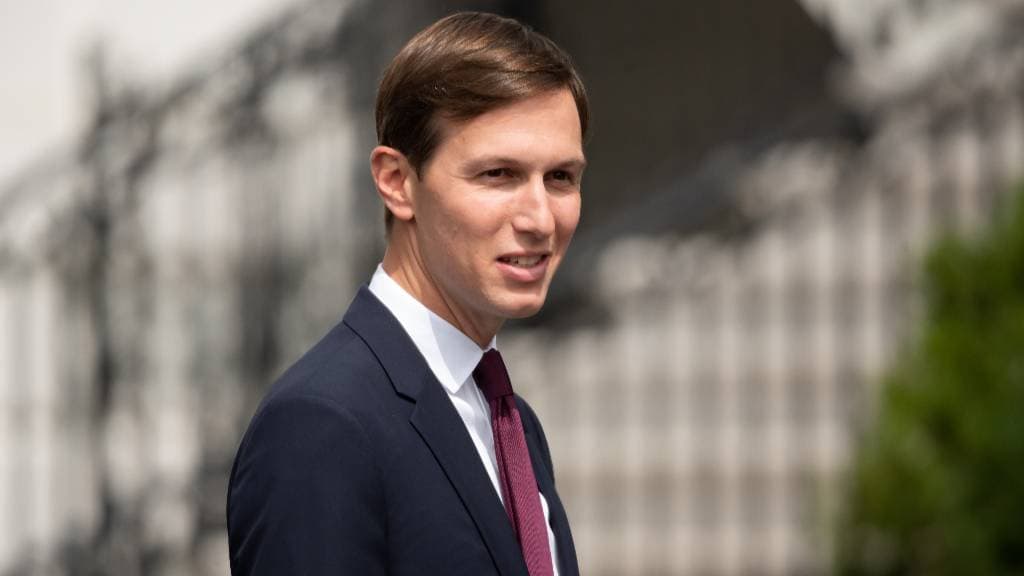
US President's Special Envoy Jared Kushner revealed on the social network X five key directions that the American administration is considering within the framework of future agreements between Russia and NATO countries. According to Life.ru, these include permanently operating communication channels between the parties, regular consultations on security issues, increased transparency in the military sphere, mutual measures to prevent escalation, and the creation of a long-term European security system that would make relations between states more predictable.
The scale of the task and fundamental limitations
According to Kushner, the matter is not simply about ending hostilities in Ukraine, but about an attempt to solve a larger problem: Europe and Russia have failed for more than 30 years to agree on sustainable security rules. «Our task is to develop practical measures that take into account the security concerns of all parties, reduce the risk of future conflict, and create a more stable and predictable security environment,» he explained. At the same time, the American negotiator outlined limitations: any agreements must preserve the sovereignty of states, their territorial integrity, and the right to independently choose military alliances, and no country should be able to block such a choice. NATO, Kushner emphasized, will remain the foundation of Europe's collective defense.
What comes next and how this differs from 2022
The proposals emerged after consultations between American representatives and Ukraine, NATO, and European partners in Brussels; Donald Trump also discussed the prospects of a broader security system with several European leaders and previously allowed for the possibility of a large-scale agreement affecting not only Ukraine but Europe as a whole. The next test of the initiative will be talks between Russia, the US, and Ukraine in Abu Dhabi on November 10–11 — the first trilateral consultations since February; if progress is made, the format may be expanded to include European states. Specific terms have not yet been agreed upon, and the five directions remain a subject of discussion. Substantive context: at the end of 2021, Moscow already proposed legally binding agreements to Washington and NATO limiting the alliance's expansion, but the talks in January 2022 ended without a compromise — Russia insisted on guarantees of NATO non-expansion, while the alliance refused to reconsider its open-door policy. Since then, Finland and Sweden have joined NATO, and the previous interaction mechanisms have practically ceased to function. The main contradiction, as Life.ru notes, has persisted: Moscow demands that its security interests be taken into account, while NATO insists on states' right to independently determine their defense orientation — and it is around this knot that the American proposals are now being built.