The key facts
- The Philadelphia Semiconductor Index fell 12.2% on November 5 — its worst day since 2020
- The Nikkei 225 lost up to 7%, and the Kospi halted trading for 20 minutes
- Investors are factoring in possible tighter rules for data center construction after the US elections
The sell-off spread from Wall Street to Asia
The sell-off in artificial intelligence and semiconductor stocks that began on Wall Street spread to Asian markets on Friday, November 6. Japan's Nikkei 225 lost about 7% during trading, but by midday in Tokyo it had narrowed its losses to 5.7%. Euronews reports this.
Worst day for chip stocks since 2020
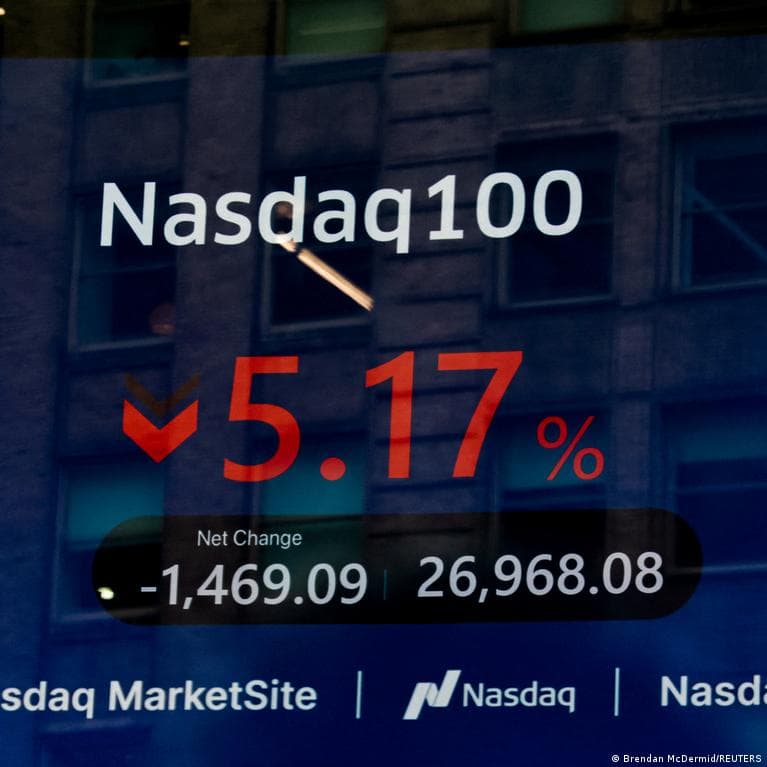
The starting point was Thursday: the Philadelphia Semiconductor Index closed down 12.2% — its largest one-day drop since 2020 — and lost about 16% over the week through Thursday's close. The Nasdaq Composite fell 5.5%, the S&P 500 fell 4.4%, and the Dow Jones fell 3.4%; all three indexes posted their worst daily losses since April 2025, when President Donald Trump announced sweeping tariffs. The Nasdaq ended the session 11.9% below its record high. Trump blamed the Democrats for the decline, writing on Truth Social: 'The stock market crashed today because the Democrats had a big Tuesday — how sad, it's your own fault!'
What worries investors
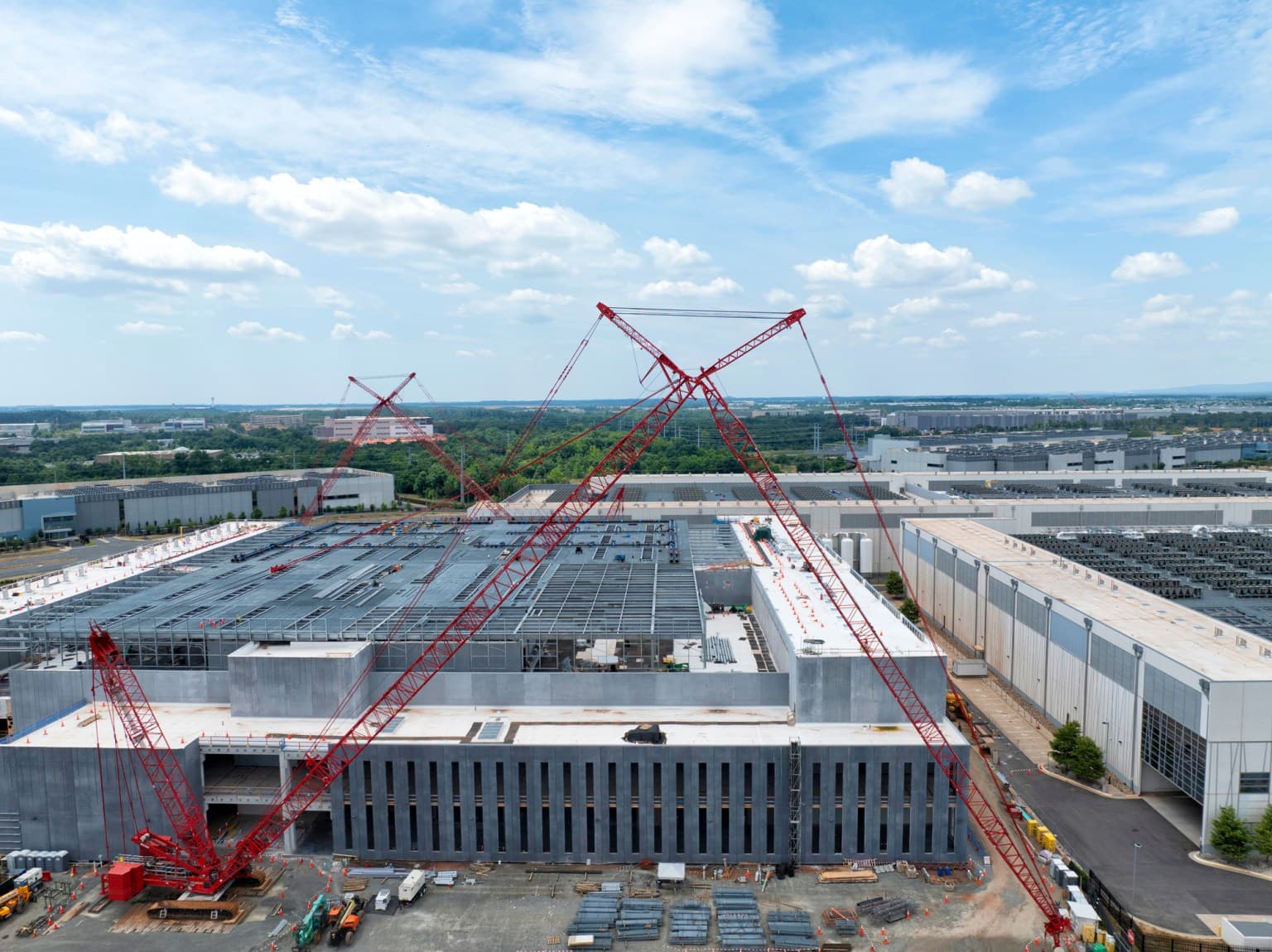
According to the outlet, investors are assessing whether convincing Democratic victories in the US midterm elections could lead to stricter rules for new data centers. Such projects have drawn discontent from voters across the political spectrum, and many winning candidates promised to slow down or halt construction; earlier this year Senator Bernie Sanders and Congresswoman Alexandria Ocasio-Cortez proposed a federal moratorium. The election results deepened doubts about when companies will see returns on the hundreds of billions invested in AI, and rising borrowing costs call into question the pace of construction. A slowdown could affect US economic growth and reduce demand for chips and electricity. Saxo Markets analyst Neil Wilson considered the sell-off excessive, but noted that investors will first want to see markets stabilize.
Asian chipmakers and other markets
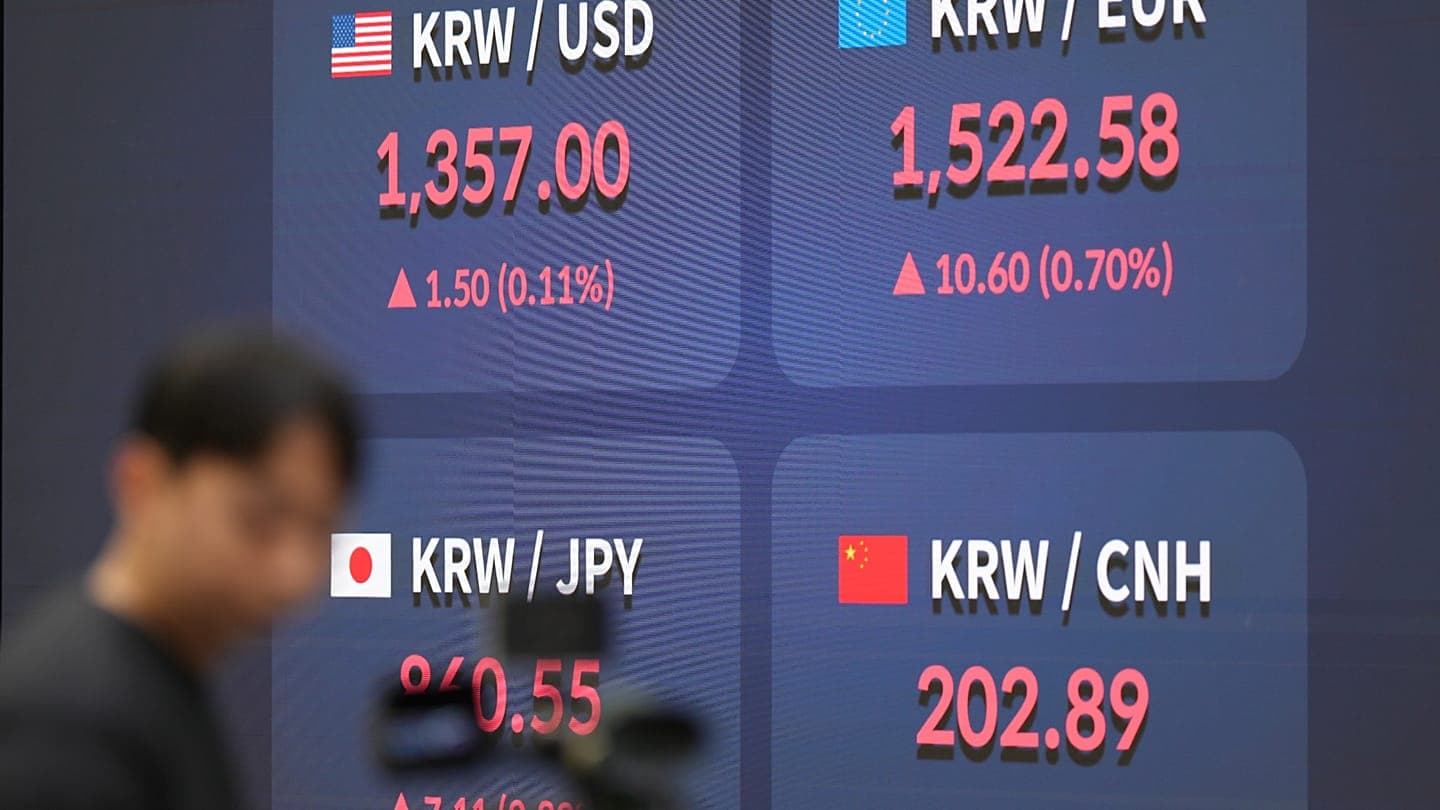
In Tokyo, Kioxia and SoftBank lost more than 10% during trading, and Advantest more than 8%. South Korea's Kospi fell 8.8%, triggering a 20-minute trading halt; SK Hynix dropped about 10% and Samsung Electronics about 8%. Taiwan's Taiex closed down 4.5% after falling more than 8% early in the session, with TSMC shares losing up to 8.5%. Hong Kong's Hang Seng fell 0.7%, the Shanghai Composite 1.3%, and Australia's S&P/ASX 200 1%. Euro Stoxx 50 futures were down about 1% ahead of the European market open.
Commodities and currencies
Against this backdrop, Brent crude futures rose 1.4% to just under $100 a barrel, extending Thursday's gains: after the election results, oil had fallen on hopes for an end to the war with Iran, and traders are watching for signs of progress in the talks that US and Iranian leaders announced earlier this week. The dollar strengthened against the euro and the yen, while spot gold fell 1.1% to $4,044 an ounce as of 06:00 CET.