
The key facts
- Dina Powell McCormick linked the midterm election results to greater difficulty in building data centers
- Meta has data centers in 23 states, with five projects of 1 gigawatt or more
- The AI agent Muse has 10 million users; Meta sees a path to monetization through renting out compute
Elections as a factor for AI infrastructure
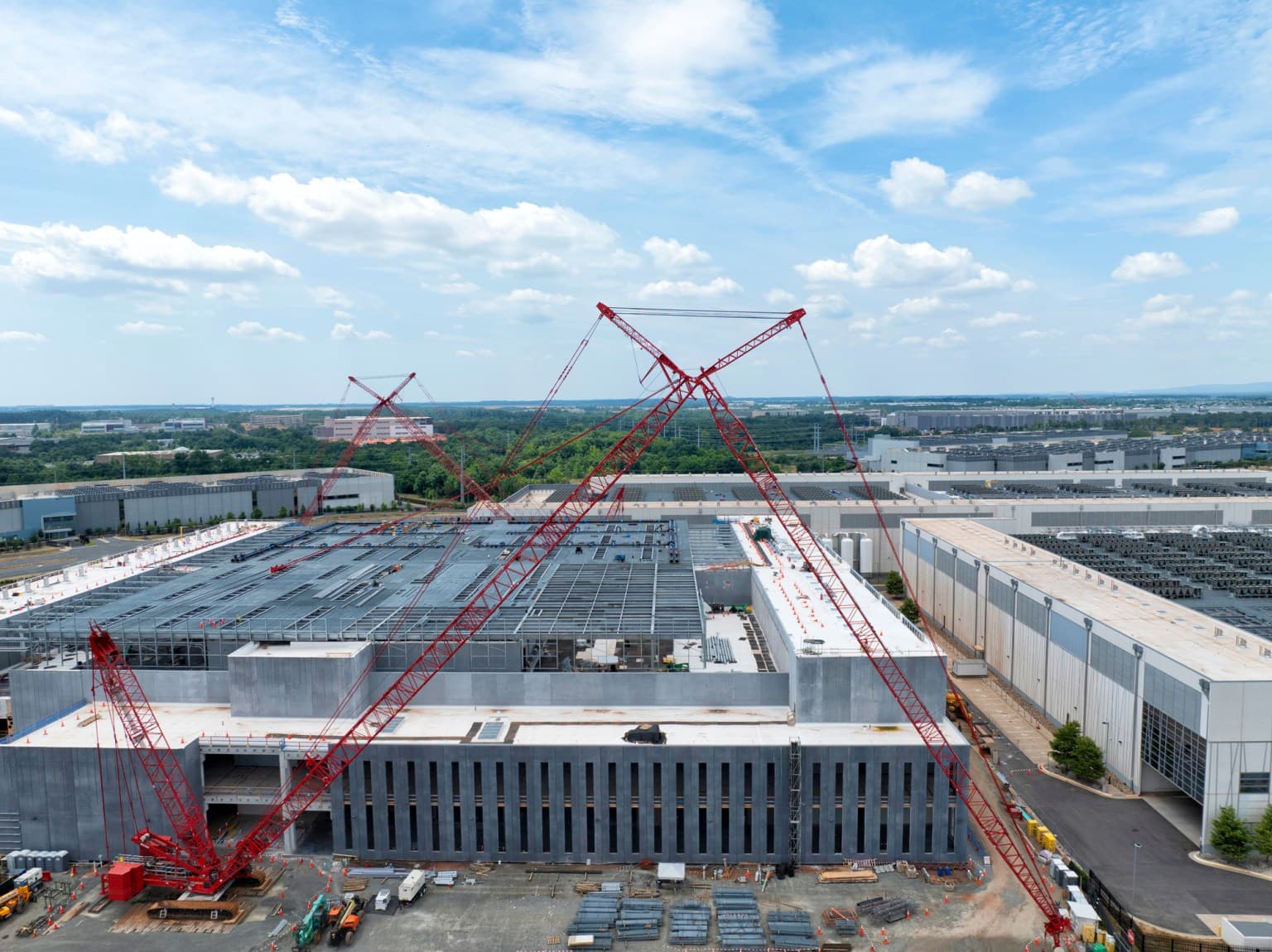
Meta President Dina Powell McCormick said that Democratic victories in the midterm elections will 'make it significantly harder' to build data centers, because, in her words, the industry 'has not explained the benefits of these investments as well as it should have.' She spoke at the WSJ Tech conference on Wednesday; TechCrunch reports on this.
Resistance as a reflection of attitudes toward AI
According to McCormick, resistance to data centers was 'a very visible theme on the ballot' this election season and is tied to broader public attitudes toward AI: 'The visible manifestation of AI is the data center, and that is something people can say: I don't want that in my community.' Meta believes that negative consumer sentiment can be changed by demonstrating the value both of the centers themselves to local communities and of the technology in general.
A model for successful projects and Meta's scale
McCormick emphasized that Meta has been building data centers for 20 years and today has them in 23 states, with five projects, including one in Texas, planned at one gigawatt or more of capacity. Successful deals, as she described them, include Meta paying for its own electricity, directing tax surpluses to teachers and first responders, hiring local labor, and bipartisan support. She expects that future projects will face more scrutiny over whether voters want them: 'It will be harder. Actually, it was hard before too, but it is becoming clear which models work, and states want exactly those kinds of models.'
Betting on Muse and monetizing compute
Meta is pinning its hopes on the consumer AI agent Muse, which currently has 10 million users and, according to the company's plans, is meant to grow into a business serving billions of users. Even if that fails, the company considers its data center investments justified: 'Every day we get calls offering to rent our compute; one way or another, we see a path to monetization,' McCormick said.