The key facts
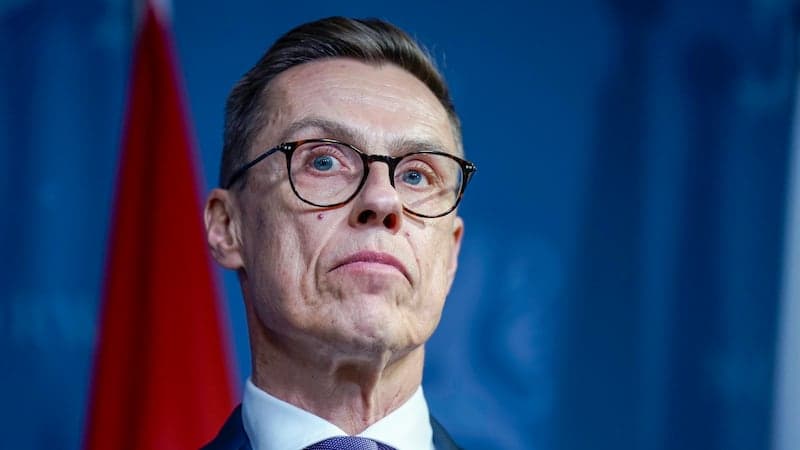
- Alexander Stubb is seen as a likely single representative of Europe in talks with Russia over Ukraine
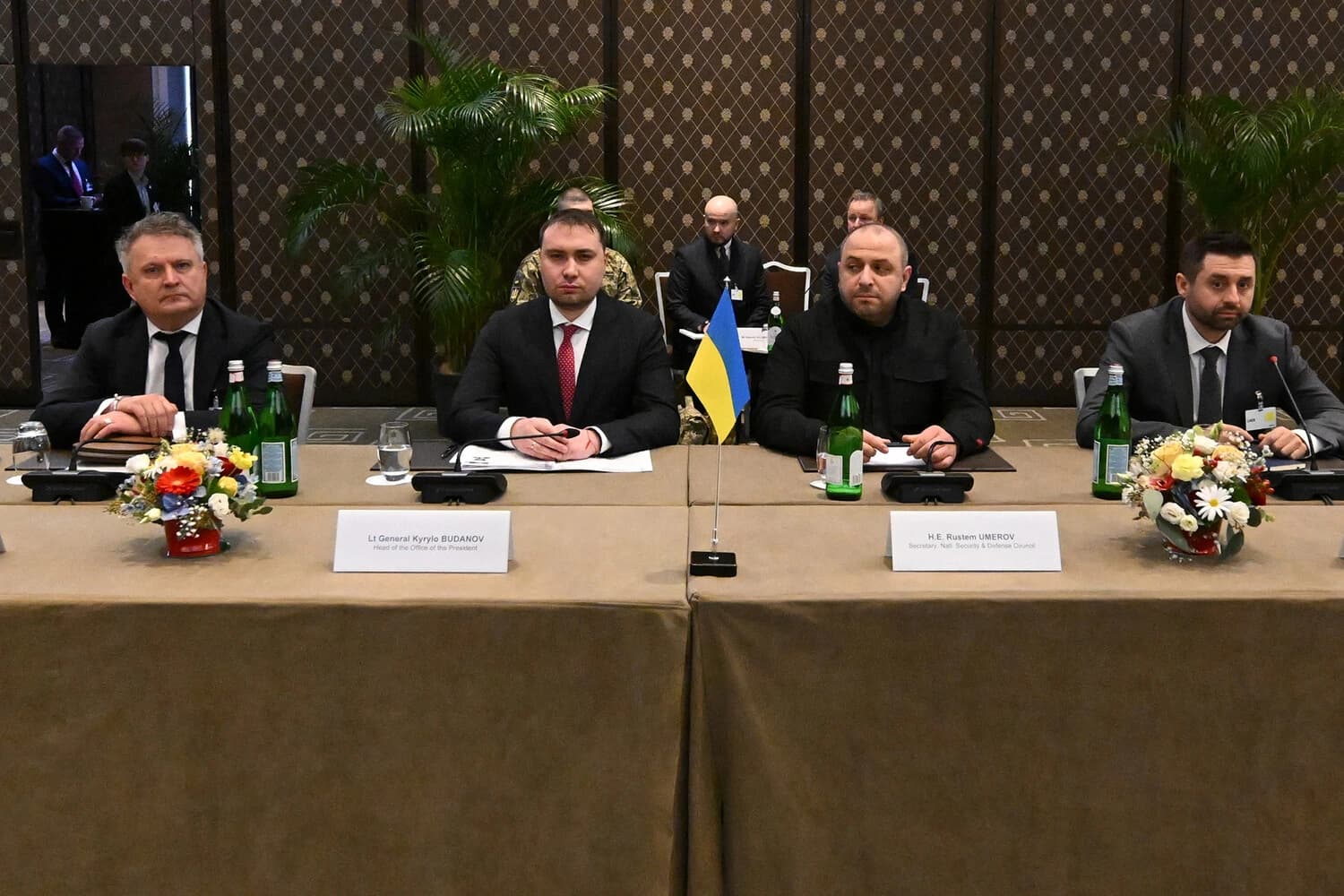
- Next week, the first trilateral talks between Russia, the US and Ukraine since February will take place in Abu Dhabi
- Jared Kushner said the idea of a 'broad security architecture' for Europe is advancing
- Jared Kushner announced progress on the idea of a “broad security architecture” for Europe
Stubb as a possible negotiator for Europe
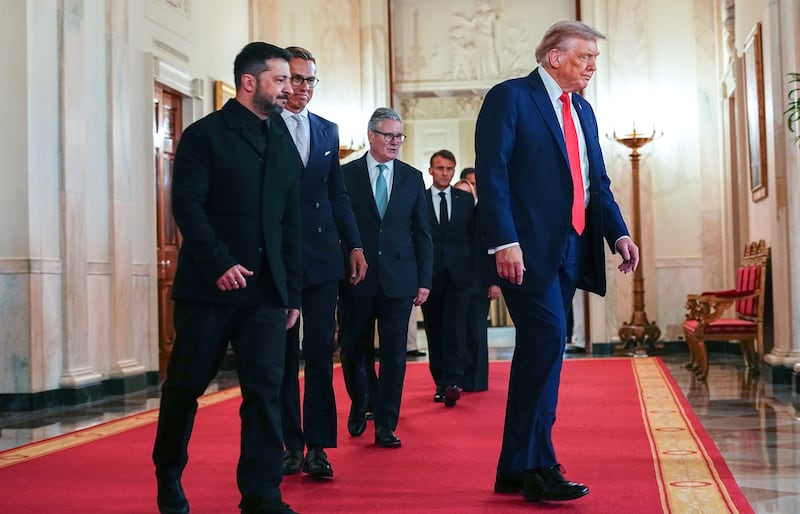
As diplomatic efforts to end the war in Ukraine intensify The National examines why Finland's President Alexander Stubb is being named the leading candidate for the role of Europe's representative in talks with Russia. American negotiators are promoting the idea of a new security architecture for Europe, while Italian Prime Minister Giorgia Meloni, in a letter to European Council President António Costa, called for forming a unified European position and proposed designating a lead negotiator at an informal meeting of EU governments next week in Ireland.
The case for the Finnish president
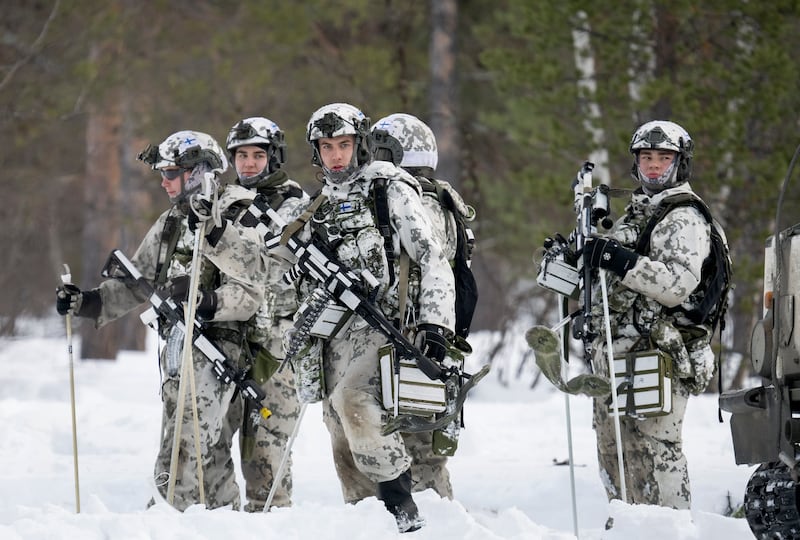
Grégoire Roos, director of the Europe programme at Chatham House, told The National that he is 'absolutely convinced' that the 58-year-old Stubb is best suited for the role, since he has political capital and the mandate of an elected president. Among his advantages, the publication's interlocutors cite his command of French and his studies in Paris, the trust he enjoys in France, his understanding of Germany's position, his good relations with Donald Trump (including a joint day of golf in Florida), and the fact that the leader of a small country is more acceptable to other European capitals than a representative of France or Germany. Oana Zamfir, head of the European security programme at Rusi, noted that Stubb has engaged with Trump and his administration while remaining a staunch critic of Russian aggression and a supporter of Ukraine, and that he can be trusted to represent the interests of Europe and Kyiv rather than seek a compromise with Moscow at any cost. An additional factor is Finland's history: the 1,300-kilometre border with Russia and the experience of confronting the USSR, including the Winter War of 1939–1940, after which relative autonomy was preserved ('Finlandization'). Experts note that this model is relevant in the context of the controversial proposal to 'Finlandize' Ukraine, under which Kyiv would accept territorial losses and Moscow's demands in exchange for peace.
A direct channel to Putin and the talks in Abu Dhabi
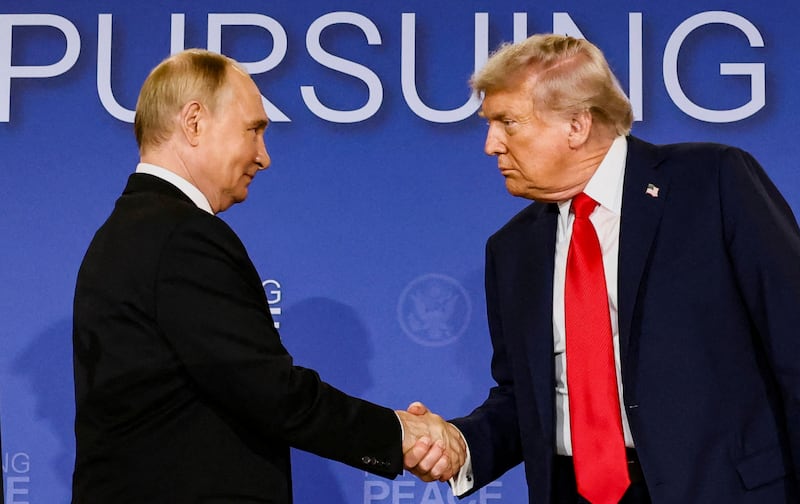
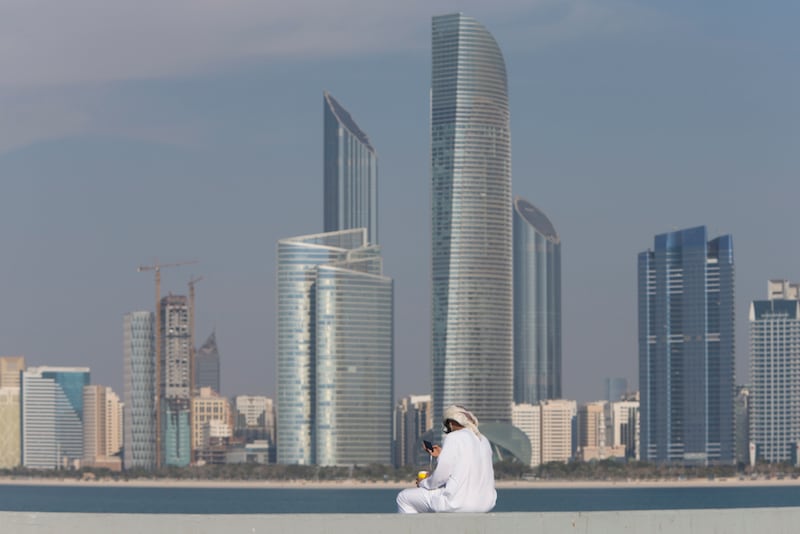
Stubb, together with Norwegian Prime Minister Jonas Gahr Støre, has already established a rare direct channel with Vladimir Putin: last week a 90-minute phone conversation took place, which the Finnish president called 'candid and substantive', while Støre acknowledged 'big differences in views'. After the call, Stubb informed Volodymyr Zelensky and said that peace 'will not be achieved through silence'. Next week, talks involving Russia, the US and Ukraine will take place in Abu Dhabi — the first trilateral discussions since February. Former US Ambassador to Ukraine William Taylor said there are so far no signs of Putin softening his position, and that the discussions concerned technical aspects of a possible ceasefire: American drone surveillance, sensors and a demilitarized zone with troops pulled back a certain distance. Ben Barry of IISS pointed out that a European representative would need a clear mandate from the EU and the UK and trust in Washington, Moscow and Kyiv, but doubted whether a European leader could influence Trump if the latter himself did not want to 'secure a peacemaker's legacy'. Trump himself said at the White House that a 'very big' deal is being prepared that 'could affect all of Europe'. Trump's special envoy Jared Kushner said the president has advanced discussion of a 'broad security architecture' with European leaders, and that if the Abu Dhabi talks succeed, a move to a broader multilateral format involving European countries is planned. Zamfir, meanwhile, stressed: 'Whoever strikes a deal with Russia, it will be Europe that has to ensure its implementation', and Ukraine will not accept an agreement without reliable guarantees of its durability.
Context: Stubb's powers and position
The Finnish post is particularly significant, because the country's president is responsible for foreign policy and serves as commander-in-chief. Stubb took office in 2024 after winning the election, after which Finland came to be seen as a potentially important NATO player. In an interview with The National last month, he named Ukraine as the reason for his return to politics after stepping down as prime minister and said: “This is probably the most rewarding time of my professional career. I enjoy every minute, understanding that this is a difficult position.” He has also consistently advocated maintaining pressure on Moscow. For now, the question of a single European negotiator remains open: Meloni has only proposed considering his appointment, while experts point to the need for a mandate and real influence over Washington.