The key facts
- António Costa proposed a €750 million threshold instead of the €100 million in the European Commission's initiative
- The CORE levy is one of the contentious points of the EU's multiannual budget for 2028–2034
- Germany opposes the additional burden on business; no final decision has been made yet
A new compromise option for the CORE levy
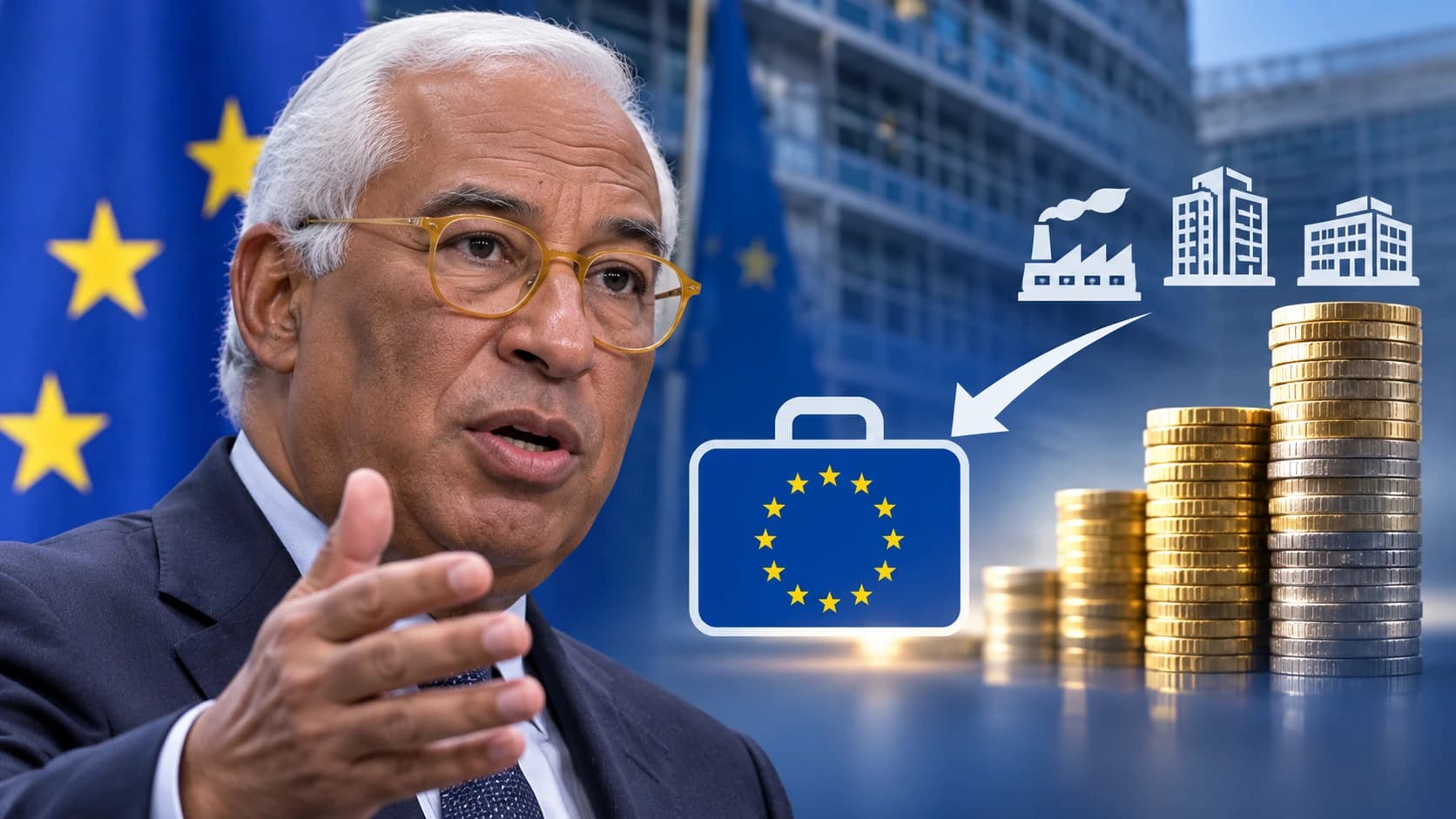
The European Union is looking for a way to replenish its future budget through a new levy on the largest companies. According to Politico, citing diplomats familiar with the negotiations, European Council President António Costa proposed limiting the circle of payers to companies with annual turnover above €750 million. This concerns a new source of revenue for the European budget — the Corporate Resource for Europe (CORE). Initially, the European Commission proposed extending the levy to companies with turnover from €100 million, but this idea met objections from a number of member states, and Costa hopes to soften the terms by exempting part of the business from the levy.
Who objects and why
Germany is the most cautious about the additional burden on business: Berlin and other opponents of the original initiative fear that the new levy will undermine the competitiveness of European enterprises. Supporters of additional revenues, on the contrary, hope to reduce the need for direct state contributions to the common budget. New sources of revenue have become one of the main sticking points in agreeing on the next financial framework. According to Life.ru, it was previously reported that German Chancellor Friedrich Merz agreed to consider new Europe-wide taxes, but opposed an additional levy on large companies; one possible compromise mentioned was cutting budget spending by €200 billion combined with the search for additional sources of revenue.
What is known about the budget and the status of the proposal
The negotiations concern the EU's multiannual financial framework for 2028–2034. The European Commission initially proposed a budget of almost €2 trillion, providing for additional spending on defence, competitiveness, infrastructure and other priorities. To finance them, Brussels is considering several new sources of revenue, including the corporate levy, but the members of the union still have to agree both on overall spending and on the mechanism for distributing the financial burden. Costa's proposal has not yet become a final decision: introducing a new source of revenue will require the consent of the EU member states and the completion of the procedures provided for by legislation. It remains unknown whether raising the threshold to €750 million will make a compromise possible.