The key facts
- CSG acquired a stake in the Canadian space technology manufacturer MDA Space in mid-October
- Czech defense exports grew from €600 million (2021) to €4.7 billion (2025); about €4 billion in orders went through the Ammunition Initiative
- Babiš's coalition halted contributions to the initiative and is delaying the growth of defense spending toward NATO targets
Betting on space
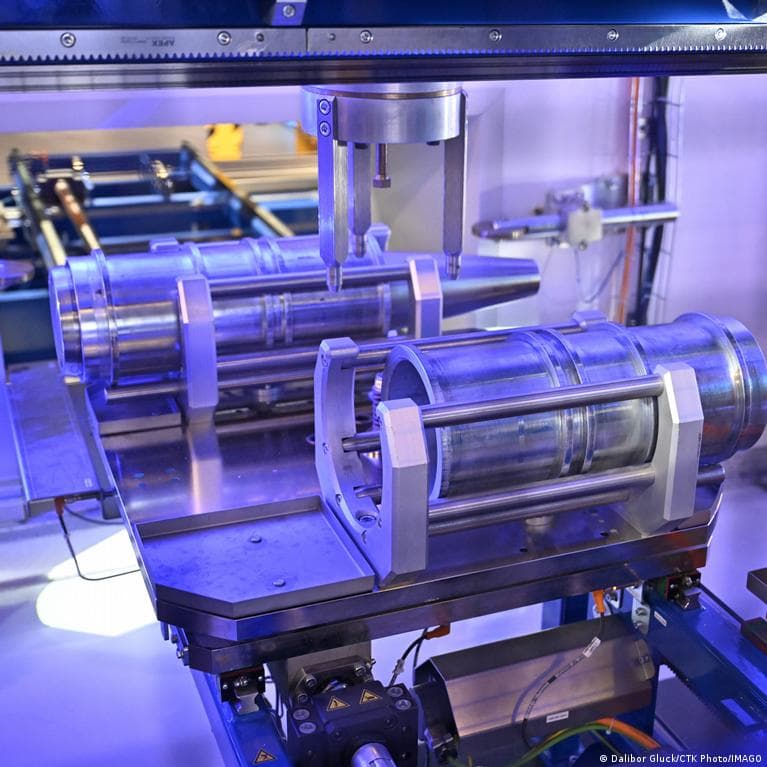
In mid-October, the Czech arms group Czechoslovak Group (CSG) announced the acquisition of a stake in the Canadian space technology manufacturer MDA Space. The company, which already has interests in British and German space firms, described the development of space competencies as a 'natural extension' of its business and announced plans to create a 'dedicated space team.' According to CSG estimates, global government spending on space defense reached €65.83 billion last year, while the entire space economy could triple over the next decade — to €1.6 trillion. The deal is part of an attempt to sustain the growth momentum that the war in Ukraine has given the Czech defense industry, writes Deutsche Welle.
From the collapse of the Warsaw Pact to regional leader
CSG began in the 1990s as a startup trading in military surplus after the collapse of the Warsaw Pact, and today it is the second-largest ammunition manufacturer in Europe after Germany's Rheinmetall, with production in Europe and the United States. After listing on the Amsterdam stock exchange earlier this year, the company became the most valuable in Central and Eastern Europe with a market capitalization of €14.6 billion, and its owner Michal Strnad topped the regional list of the wealthiest. The main driver of growth has been the war in Ukraine: exports of the Czech defense industry grew from €600 million in 2021 to €4.7 billion in 2025, and by the end of 2025 European states had purchased roughly €11 billion in military aid for Kyiv from Czech firms, of which about €4 billion went through the Czech Ammunition Initiative, which coordinates shell supplies. Krzysztof Dębiec, an expert at the Centre for Eastern Studies, explains the success by the early stage of the war: Czech firms specialized in ammunition of Soviet calibers, repairs of Soviet equipment, and simple systems compatible with the arsenals of the Ukrainian army. According to former deputy defense minister Jan Jireš, an additional factor was the pressure on Europeans to increase defense budgets due to the shift in US policy toward NATO.
Dependence and political risks
Since the listing, CSG shares have fluctuated, reflecting the fragility of the industry's position. The government in Prague moved the defense industry from the ministry of defense to the ministry of industry and trade, tying its export role to economic policy. At the same time, the ruling populist coalition of Andrej Babiš, which came to power a year ago, is heterogeneous: some parties promised to reduce support for Ukraine, while the far-right SPD is openly pro-Russian. The coalition halted contributions to the Czech Ammunition Initiative and is dragging out the growth of defense spending toward NATO targets. The domestic market is small, so the industry derives about 90% of its revenue from exports, the bulk of which is still linked to Ukraine. 'The Czech industry has outgrown the country's financial capacity,' Jireš noted: unlike German, French, or British companies, Czech manufacturers cannot count on domestic demand. The end of the war in Ukraine, a change in US foreign policy, or a general easing of geopolitics would hit Czech arms makers hard, and for CSG, where bullets and shells account for about 60% of sales, the question of the war's future is particularly acute. Dębiec notes that companies are already reinvesting profits and have become more technologically advanced and diversified than in 2022. In Jireš's view, the key task will be access to defense and space funds in the next EU budget, which could reach €130 billion: if the money goes to German, French, and Italian companies, Czech manufacturers risk missing the opportunity to scale up.