The key facts
- Trump, after an unplanned meeting with Kirill Dmitriev, said a deal on Ukraine was 'nearly agreed' and would affect all of Europe
- Meloni called the EU's approach to the talks uncoordinated in a letter to Costa; Poland and Austria backed her
- Finland confirmed Europe had paid for the PAC-3 Patriots and urged the US to begin deliveries
Trump promises a 'big beautiful deal', Europe argues over its seat at the table
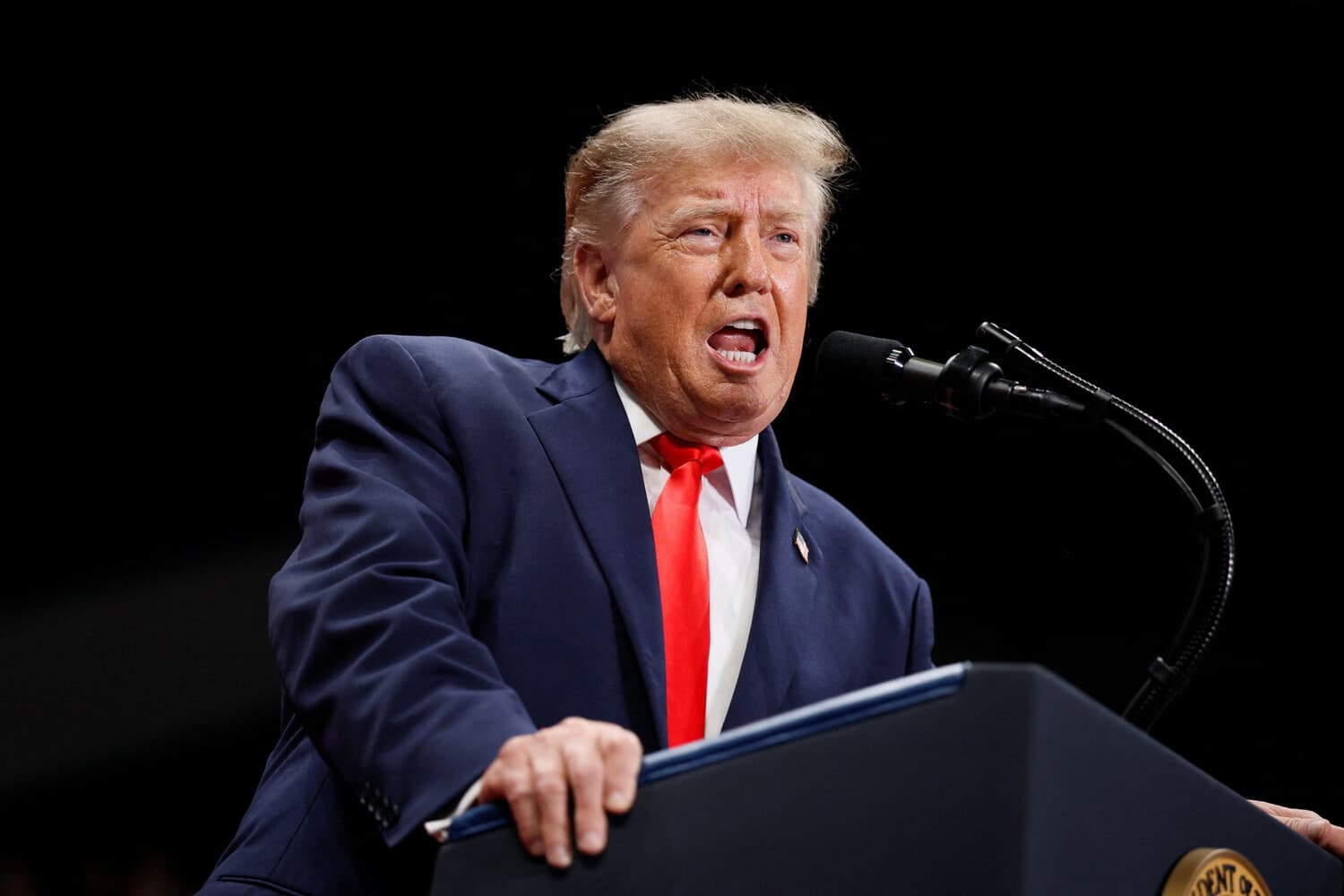
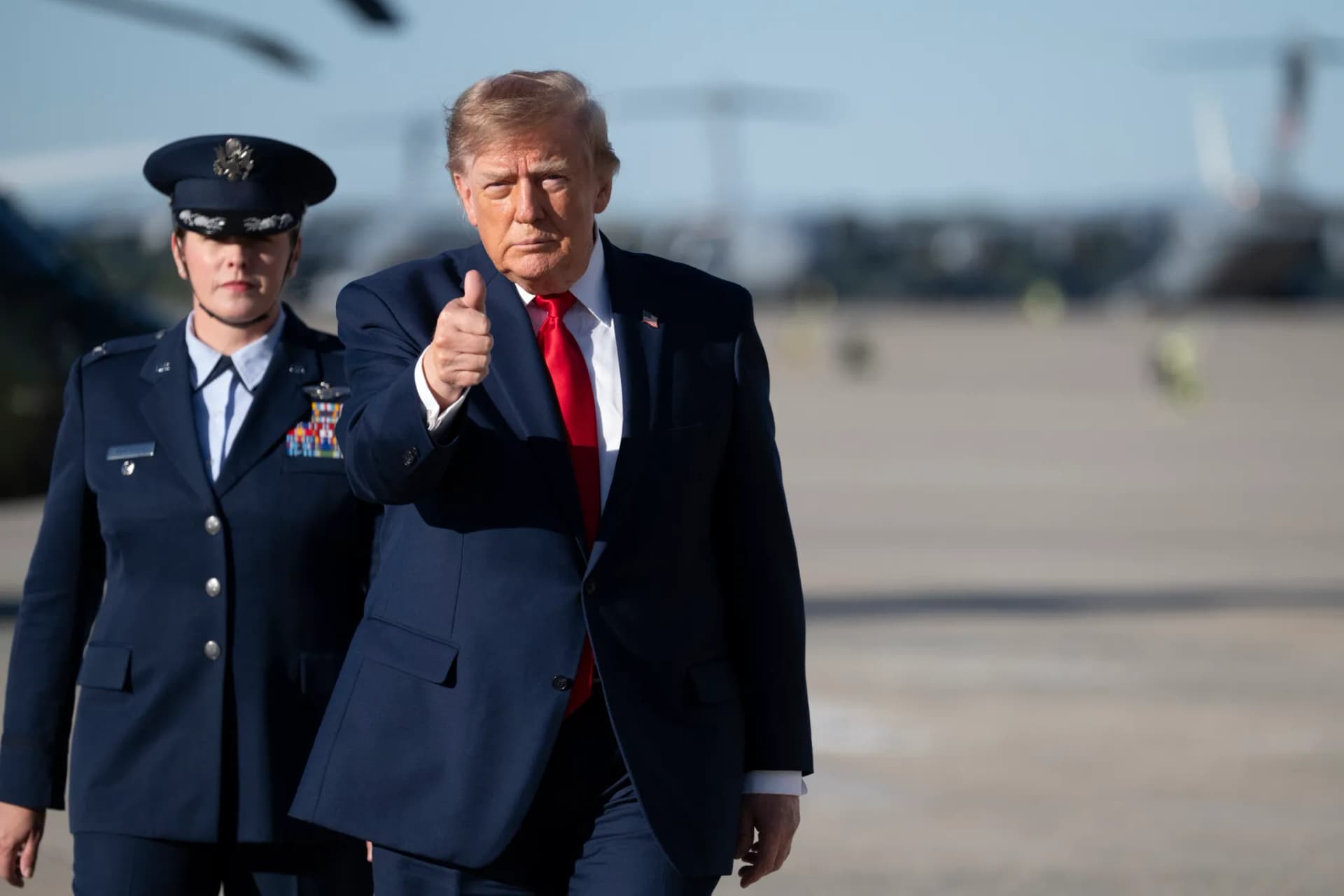
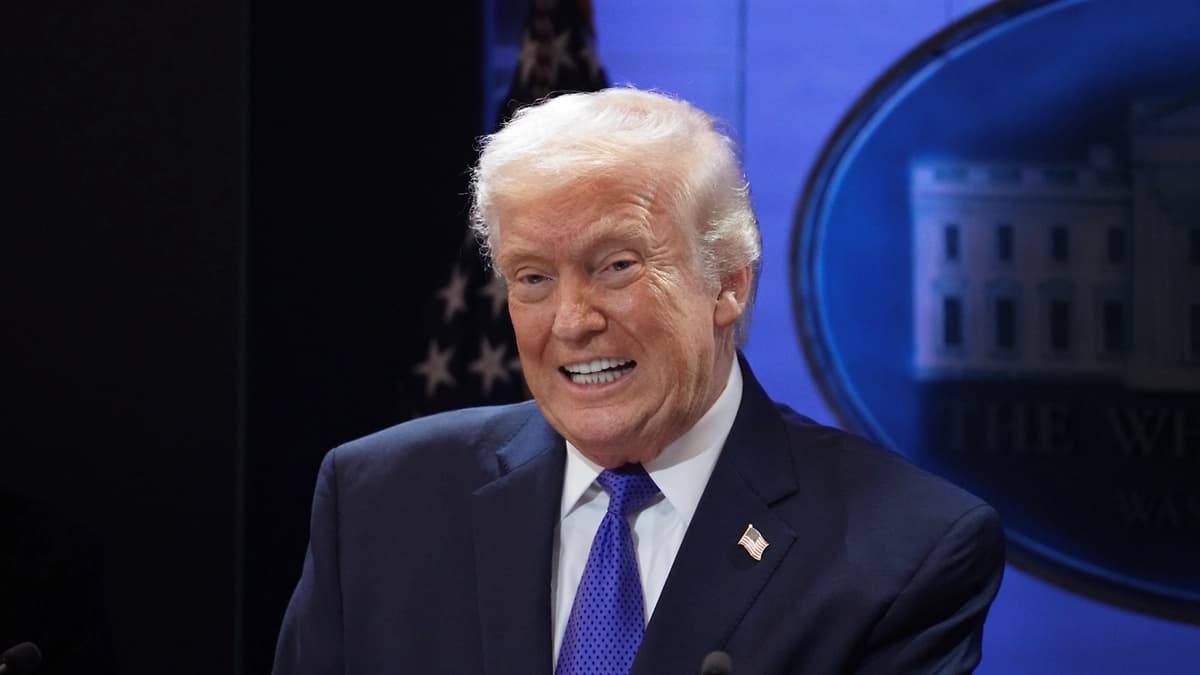
US President Donald Trump, after an unplanned meeting in Washington with Vladimir Putin's special envoy Kirill Dmitriev, said that an agreement to end the war of Russia against Ukraine is close to being agreed. 'It will be very big. It will affect more than Ukraine, and I could even say it may affect all of Europe,' Trump told journalists, according to euronews.
Unusual talks at the White House and the fate of Oleshky
The meeting was preceded by unusual events at the White House: Ukrainian and Russian officials found themselves at the same table at a meeting hosted by First Lady Melania Trump after a rare humanitarian truce in the occupied Oleshky. Dmitriev said Putin had personally given instructions for the humanitarian operation and passed on his gratitude to Melania Trump, without mentioning that Oleshky has been occupied by Russian forces since 2022. According to an assessment by the American Institute for the Study of War, nearly five years of occupation have left the city's residents facing acute shortages of food and medicine, with reports of abuses by Russian military personnel.
Meloni against fragmented formats
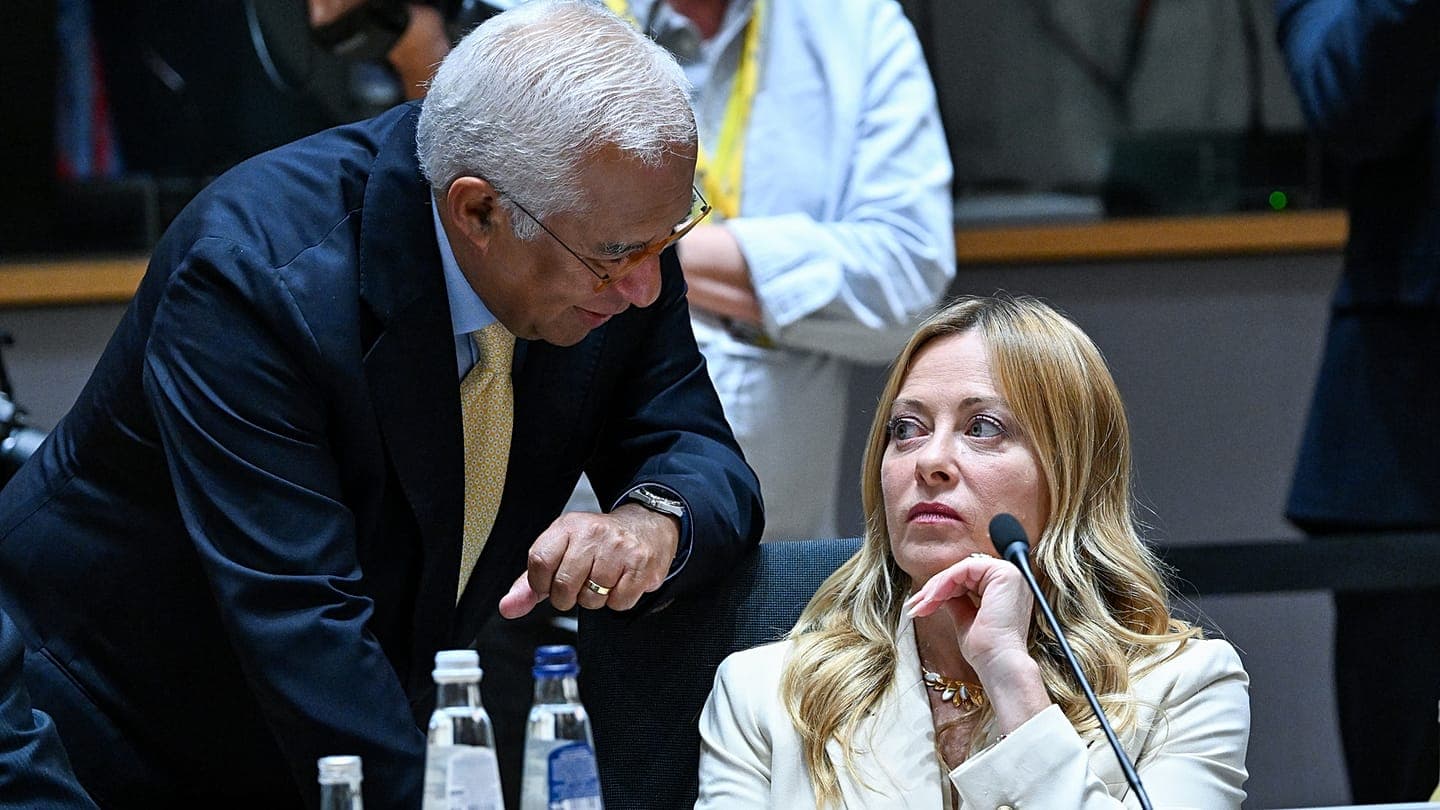
On the European side, a split has emerged: Italian Prime Minister Giorgia Meloni, in a critical letter to European Council President António Costa, condemned what she called an uncoordinated approach to peace talks. Italian representatives took part in an earlier meeting in Oslo, led by the Prime Minister of Norway and the President of Finland, after which the EU held talks on Ukraine's future with France, Germany, the UK and the US — without Rome. Meloni believes that the multiplicity of negotiating formats undermines trust in Europe. Costa replied that the EU's participation in the talks 'must be organised so that it can convey a clear and unified message, defend its interests and support Ukraine.' The issue has been included in the agenda of an informal meeting of the leaders of the 27 countries in Dublin next week.
Warsaw and Vienna join the criticism
Polish Foreign Minister Radosław Sikorski backed Meloni's complaints and called for 'legitimate representation' under the Lisbon Treaty, under which EU foreign policy rests either with Costa or with High Representative Kaja Kallas; he proposed adding the UK and Norway to this 'single voice' as well. 'The worst thing we could allow is Western Europe negotiating with Russia over the heads of Eastern Europe,' Sikorski said, noting that Finland, Norway, the Baltic states and Poland border Russia, and the region as a whole numbers about 120 million people. Austrian Foreign Minister Beate Meinl-Reisinger also joined Meloni, saying the EU's approach lacks 'strategic coordination'.
Patriots, gas and the budget: what else is being discussed in Warsaw
Finnish Defence Minister Antti Häkkänen, in an interview with euronews, confirmed Volodymyr Zelensky's words that the US is delaying the PAC-3 Patriot interceptors already paid for by Europe — the systems best able to intercept Russian ballistic missiles — and urged Washington to show 'political will': in his words, Russia is preparing large-scale strikes on Ukraine's civilian and energy infrastructure, and now is the most critical time for deliveries. Meanwhile, Polish Energy Minister Miłosz Motyka called 'absurd' the idea of resuming purchases of Russian gas as part of a peace deal: in his view, it would make Europe vulnerable to Putin's blackmail and harm US interests. Polish Deputy Foreign Minister Ignacy Niemczycki warned against linking the new EU budget and funding for Ukraine, which the 'frugal' countries insist on: in his words, this could 'backfire' and complicate the final deal. A diplomat from their camp objected: 'There is no money tree in Brussels, so a political choice has to be made.'