The key facts
- Sweat is a cooling mechanism, not a measure of workout effectiveness
- Sweating is affected by temperature, humidity, clothing, genetics, age, and fitness level
- Exercise intensity can be assessed by the ability to talk while moving
Sweat is not an effectiveness meter
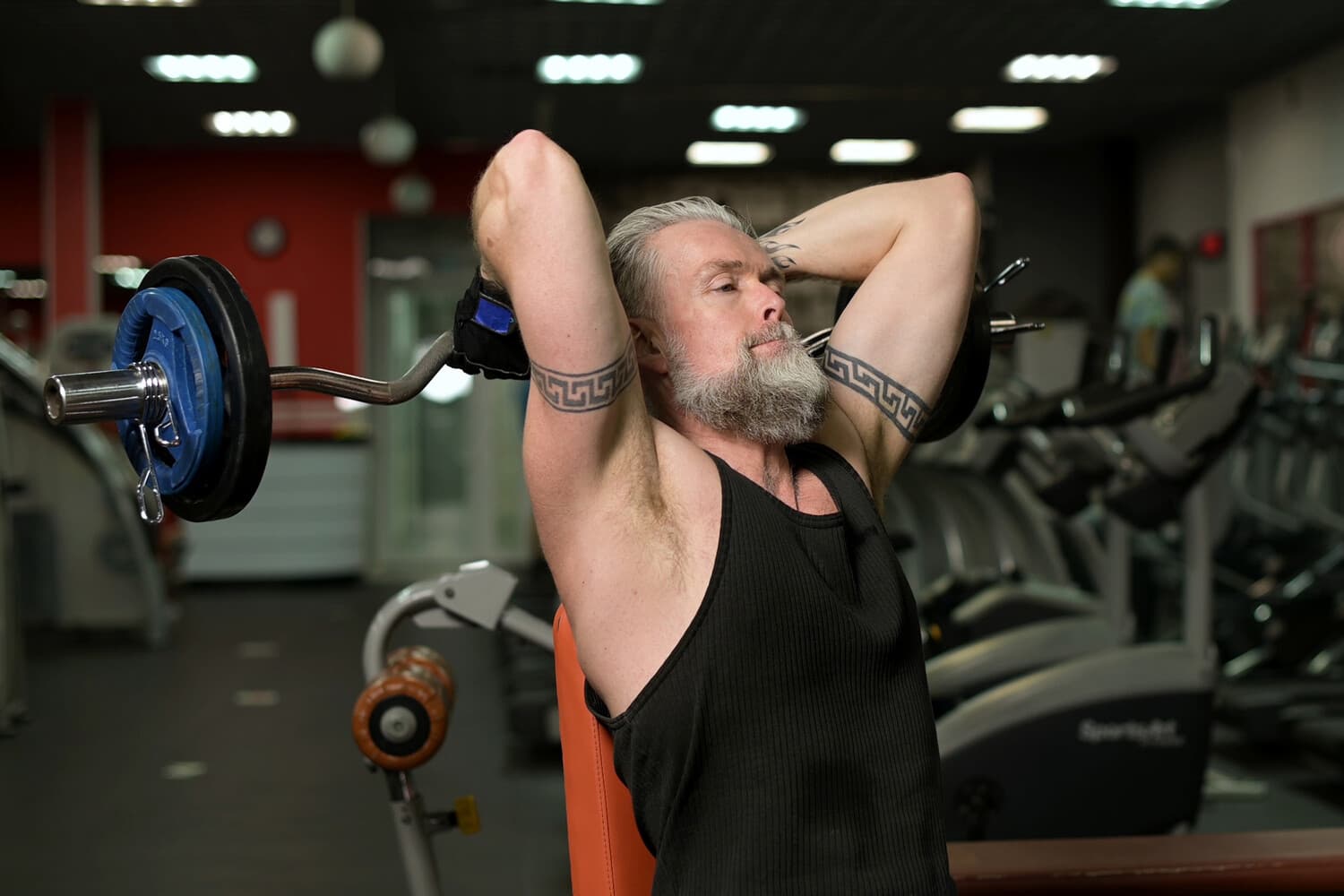
The common belief that a workout only counts after heavy sweating (at least half an hour of good sweating) does not match how the body's cooling system works. This was stated to Gazeta.Ru by physician and cardiologistAlina Gavrilova, an assistant at the Department of Outpatient Therapy at the Pirogov University. According to her, sweat is not a measure of workout quality: people sweat primarily for thermoregulation, so one person may get soaked through on a leisurely walk in the heat, while another barely sweats during an intense workout in a cool gym.
What sweating depends on and how to assess the load
The amount of sweat, the cardiologist explained, is influenced by air temperature and humidity, clothing, genetics, age, body size, and a person's fitness level — so comparing workouts by a wet T-shirt is pointless. As an illustration, she cited the sauna: you can sweat more there than on a walk, but your muscles do not get stronger from it, nor does endurance grow; the 500 grams lost on the scale are mostly water that will return after drinking. Brisk walking, strength training, swimming, or cycling train the heart and muscles even without noticeable sweating. A practical guideline suggested by Gavrilova is the talk test: if you can talk while moving but can no longer sing calmly, that is roughly moderate intensity; if you can only say a few words and feel the need to catch your breath, the load is intense.