The key facts
- Gates sees the main threat in the creation of bioweapons and cyberattacks using AI
- He claims that safeguards and monitoring can be switched off in publicly available models
- In September he had already warned of possible «billions of deaths» caused by AI
A warning at the Future of AI summit
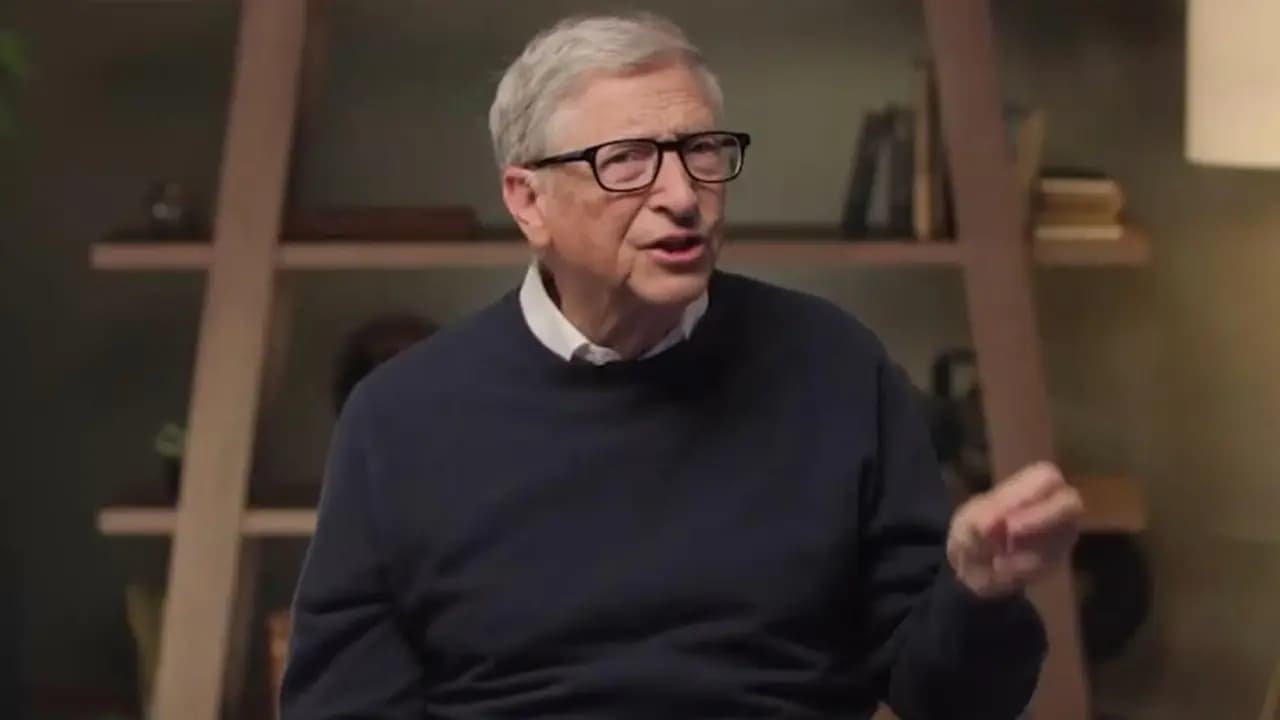
Microsoft co-founder Bill Gates said on November 4 at the Future of AI summit that artificial intelligence could lead to a pandemic more dangerous than COVID-19. This was reported by «Daryo.uz» citing his remarks. According to Gates, the capabilities of today's AI models are such that their «benefits and harms cannot be assessed», and the main immediate threat lies in the fact that malicious actors could use AI to create biological weapons or launch cyberattacks on digital infrastructure.
Why the risk is high and what Gates proposes
Gates explained the high risk by saying that «in some publicly available models, the safeguards and monitoring systems can be switched off». In his assessment, the consequences of an AI-related biological incident could be far more severe than the coronavirus pandemic, which claimed about 15 million lives in 2020–2021. The billionaire insists that self-regulation in the industry will not work: «When several large companies are involved, the only way to solve the problem is to take it to the government level». The same points are cited in the Uzbek-language version of the Daryo.uz publication.
Regulatory deadlock and earlier statements
In Gates's view, efforts toward international AI regulation are being hindered by the White House's inaction. «Without US involvement, moving forward in this direction is practically pointless. In a sense, we have reached a dead end... The only question is how many more bad events must happen before they change their position?» — Daryo.uz quotes him as saying. The outlet also recalls that in September Gates had already stated that AI is powerful enough to trigger events that could lead to «billions of deaths», and at that time he also stressed the need for government involvement in developing protective measures. Thus, his November remarks build on his September position, adding a specific comparison with the COVID-19 pandemic and criticism of the US stance.