The key facts
- The cellophane bee Colletes inaequalis coats the walls of its underground burrow with a polyester that mimics polyethylene
- In laboratory soil the material partially decomposed in four months: from 73 to 40 percent
- The point is for industry to copy the chemical process, not to breed bees
A natural film that disappears in soil
Researchers at Virginia Polytechnic Institute and the University of Tennessee have established that the cellophane bee (Colletes inaequalis) lines its underground nest with a natural film almost indistinguishable from polyethylene — and it quickly decomposes in ordinary soil. The study was published in the journal PNAS; Gazeta.Ru reports on the work.
How the material is structured
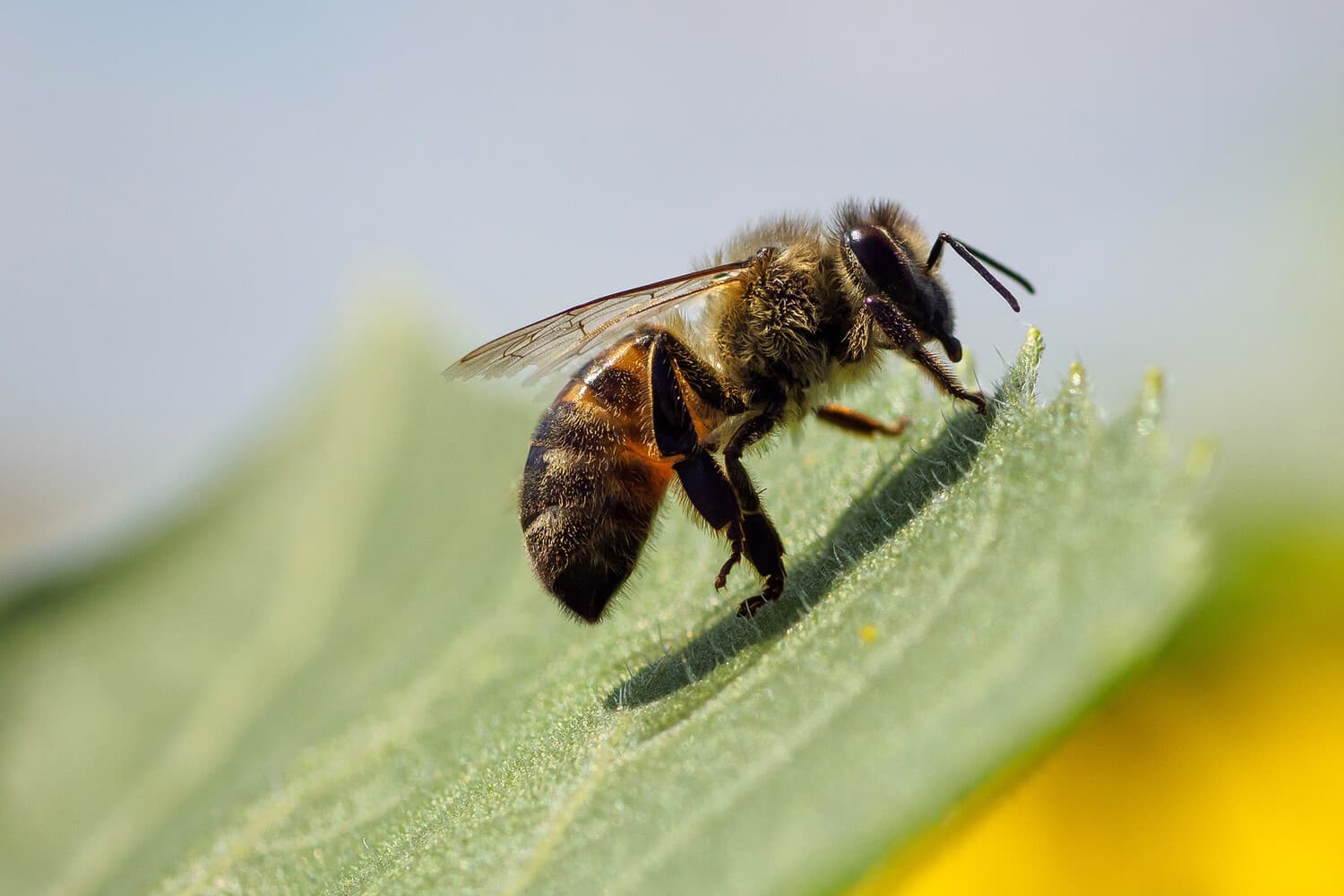
The cellophane bee is a solitary insect: it does not build hives or gather in swarms, but lives in the ground. To store nectar and protect its offspring, the bee produces a specific polyester and coats the walls of its burrow with it — according to the researchers, it resembles plastic film from a supermarket.
Why this matters and what comes next
Polyethylene accounts for roughly a third of global plastic production — about 160 million tons per year. Discarded packaging sits in landfills for centuries, and as it breaks down it fragments into microplastics, which leach into groundwater and spread through ecosystems. Many materials advertised as biodegradable in fact decompose slowly or only in industrial composters at elevated temperatures. The distinguishing feature of the discovered material is that its film degrades in the most ordinary soil, without special conditions. A key practical detail: according to the authors, industry would need to replicate the chemical process rather than breed the insects — chemists devised a way to remove plastic from disposable cups.