The key facts
- The Democrats have gained control of both chambers of Congress and will take office in January 2027
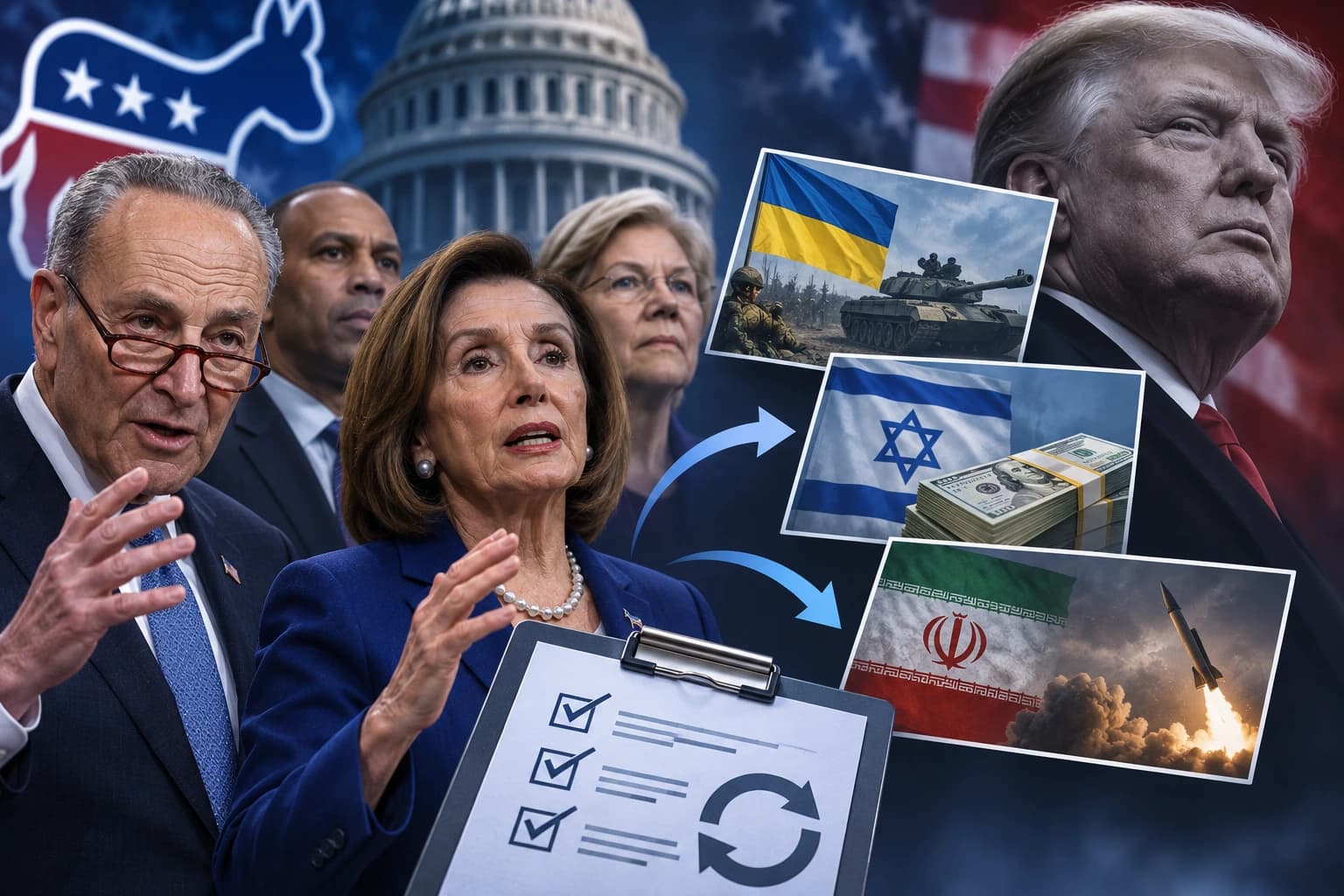
- Reuters highlighted five areas: Iran, Ukraine, Israel, the defense budget and Latin America
- The president retains the veto power, and the White House has warned it will resist attempts to reverse Trump's decisions
A Congress under Democratic control: what it changes
The Democrats' victory in the midterm elections could seriously complicate President Donald Trump's conduct of foreign policy. As Life.ru reports, citing Reuters, the opposition has gained control of both chambers of Congress and, starting in January 2027, will be able to influence military spending, foreign aid and White House decisions. According to preliminary Bloomberg estimates, the Democrats won at least 223 seats in the House of Representatives, with 218 needed; they also secured a majority in the Senate. The new Congress will change the balance of power in Washington for the remaining two years of Trump's presidential term.
Five areas of possible change
The Reuters agency identified five areas where changes could be most noticeable. The first issue is the war with Iran: the Democrats intend to seek an end to hostilities without congressional approval, and to pressure the administration they may use their budgetary powers, block appointments to government positions and demand public explanations of further military plans. The second area is Ukraine: a Democratic majority is capable of resuming consideration of large military aid packages for Kyiv, and some of these initiatives may also be supported by Republicans, which would theoretically allow a presidential veto to be overridden with two-thirds of the votes in both chambers. Lawmakers may also oppose the easing of sanctions on the Russian energy sector.
Israel, the budget and Latin America
The third area is relations with Israel: against the backdrop of the war in the Gaza Strip, criticism of American military support for the country has intensified among Democrats, and Congress may try to restrict certain arms deliveries or revise the annual aid, whose baseline amount is $3.8 billion. The fourth item is the defense budget: Trump proposed increasing military spending by 67%, to $1.5 trillion, but the Democrats oppose such growth while simultaneously seeking to restore funding for foreign programs that the administration previously cut or suspended. The fifth area will be Latin America: the Democrats may initiate investigations into the actions of the US authorities in Venezuela, including the operation to remove Nicolás Maduro, examine the circumstances of strikes on vessels off the country's coast, and the sanctions policy toward Cuba and Washington's alleged interference in elections in other countries of the region may also come under parliamentary oversight.
Limits of the new majority
Control of Congress does not mean the Democrats will be able to change US foreign policy on their own: the president retains the veto power and significant authority in international affairs. The White House has already warned that attempts to reverse Trump's key decisions will be met with resistance from the administration. Thus, the scenarios listed by Reuters are potential avenues of pressure for the new majority, not adopted decisions: the real scale of the changes will become clear after the new Congress begins its work in January 2027.