The key facts
- Elena Yampolskaya believes that 'vozdukhan' and 'prime-era' will not become part of the literary norm
- The words made the list of 10 contenders for the title of 'Word of the Year — 2026' according to Gramota.ru
- Philologist Natalia Kozlovskaya suggests 'vozdukhan' may end up in dictionaries of youth slang, but not in academic ones
Words from the 'Word of the Year' shortlist will not become part of the literary norm
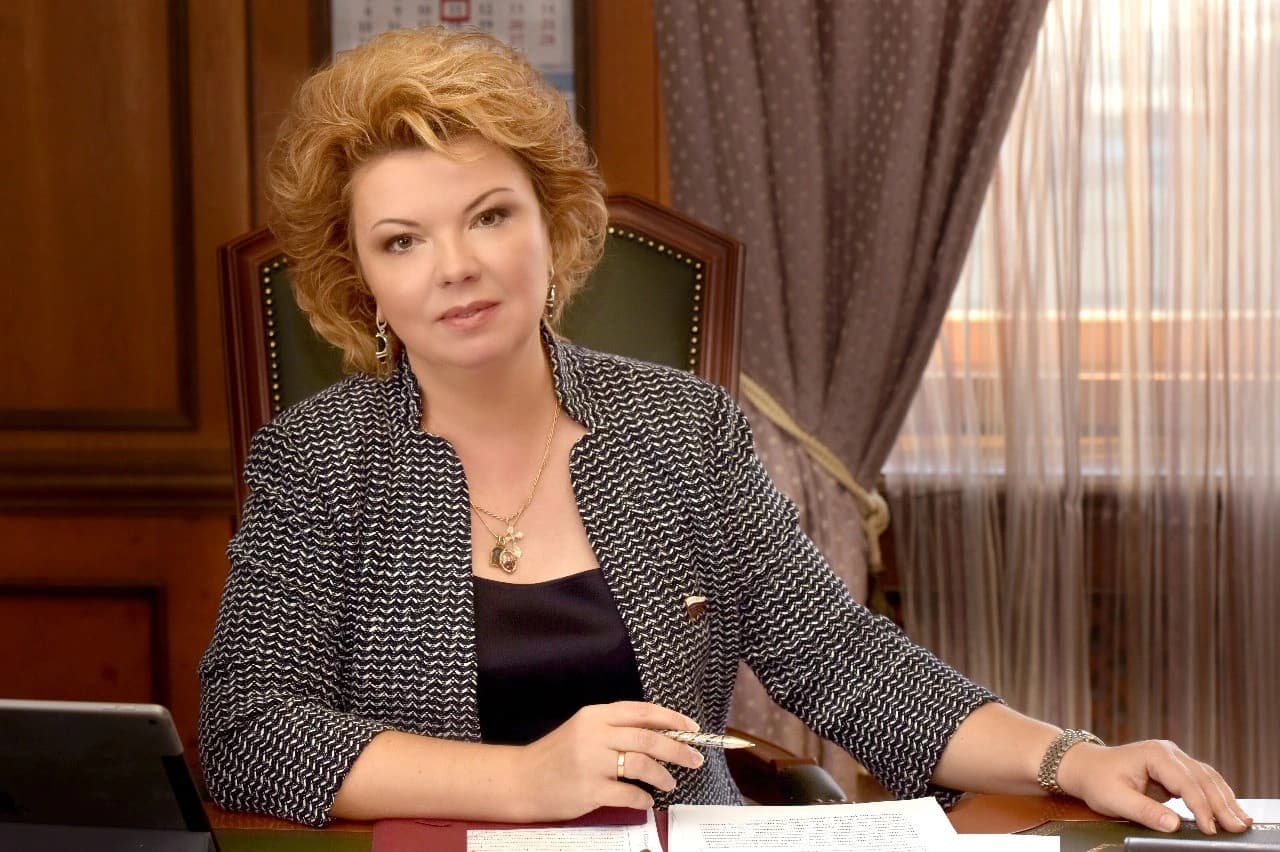
According to Elena Yampolskaya, adviser to the President of Russia and chair of the Council under the President on the implementation of state policy in the field of supporting the Russian language and the languages of the peoples of Russia, the words 'vozdukhan' and 'prime-era' will not become part of the modern literary Russian norm. She stated this, RIA Novosti reports, Gazeta.Ru reports. 'I am confident that these words will not become a generally accepted norm or part of the modern Russian literary language. But in colloquial speech, in interpersonal communication, they can of course be used. That is not a problem,' Yampolskaya said.
Where the dispute came from
The discussion was prompted by a list of 10 new wordscompiled by the Gramota.ru portal as contenders for the title of 'Word of the Year — 2026': it includes, among others, 'dofaminovy' (dopamine-related), 'nishevy' (niche), 'vozdukhan' and 'prime-era'. Thus, Yampolskaya's position concerns words that so far only hold contender status rather than being units fixed in dictionaries.
What philologists say
Doctor of Philology Natalia Kozlovskaya stated that 'vozdukhan' will most likely enter dictionaries of youth slang, but will not make it into academic dictionaries. According to her, the word carries a negative assessment of a person and is associated with inner emptiness and a tendency to exaggerate one's achievements; its meaning is based on a metaphor close to the idiom 'to throw words to the wind'.
Society's reaction to internet slang
The debate over the fate of the new words unfolds against the backdrop of previously published data showing that about a third of Russians are irritatedwhen they hear expressions from internet slang. The participants' assessments differ in details: Yampolskaya allows the use of such words in colloquial speech, while Kozlovskaya predicts they will end up in slang dictionaries but not in academic publications — that is, both statements in fact agree that the words will not become part of the literary norm.