The key facts
- During Halloween week — 4 Uber rides and 500 Uber Eats orders via AI agents, against 320 million orders through the apps
- The CEO called engagement 'very early' but sees agents as a 'net positive' for demand
- DoorDash previously also reported only a few hundred orders from agents
Near-zero demand from AI agents
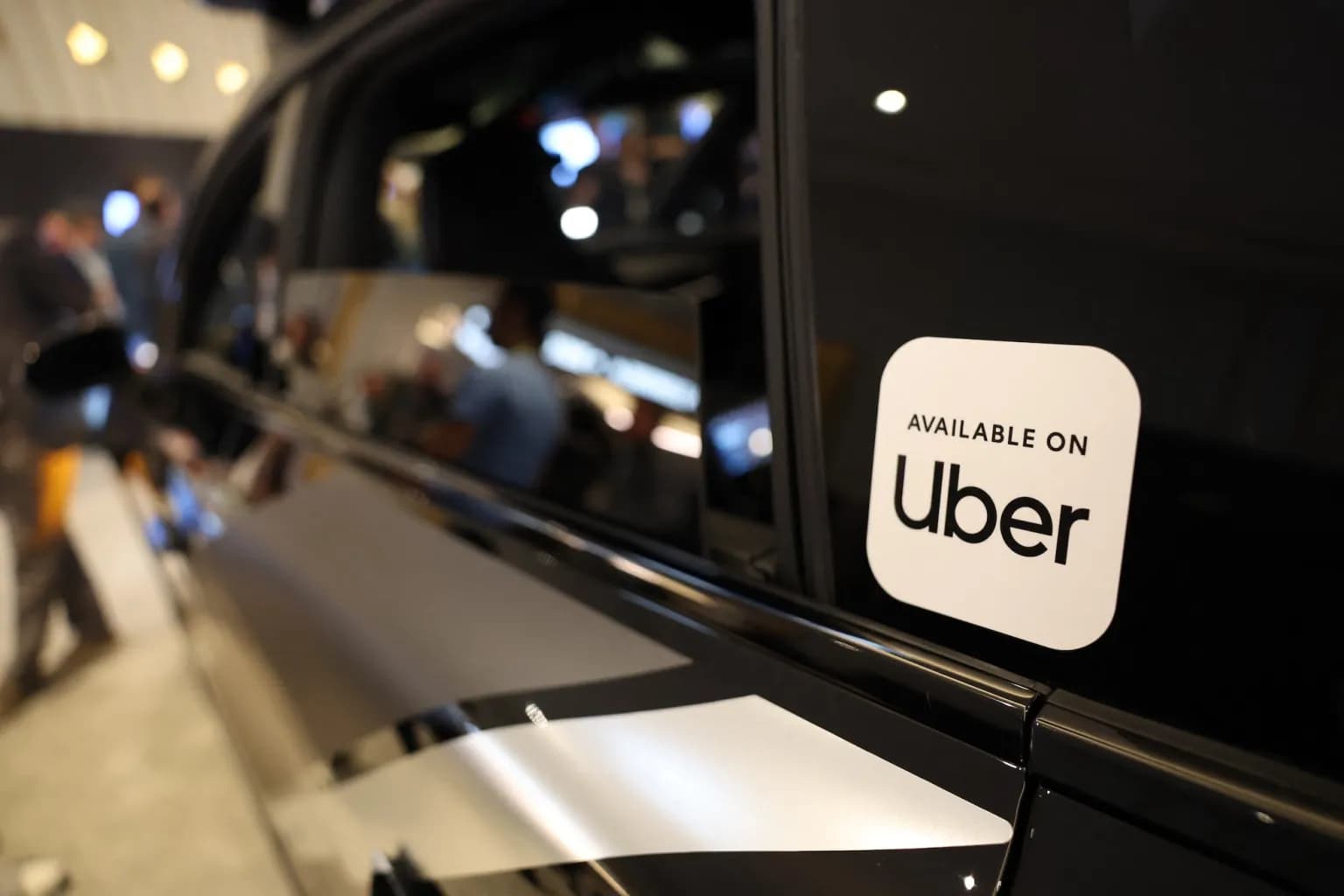
Despite the hype around AI agents that are supposed to autonomously complete tasks on a user's behalf, their actual use for ordering rides and food remains minimal. At Uber's third-quarter earnings call, the company reported that during the busiest week of October — Halloween week — only four rides were booked through an AI agent. This was reported by TechCrunch citing remarks by Uber executives.
The numbers against a backdrop of 320 million orders
Uber's CFO Balaji Krishnamurthy told Wall Street analyststhat during Halloween week the company processed about 320 million rides and orders combined across Uber and Uber Eats, but only 500 Uber Eats orders were placed through an AI agent. That means agent transactions account for thousandths of a percent, even in delivery, where the figures are noticeably higher than in rides.
Why agents don't save time yet
CEO Dara Khosrowshahi described current engagement as 'very, very early and very limited,' adding: 'Look, we hope engagement will grow'. He also pointed to a practical reason for the weak demand: the average time to book a ride in the Uber app is just 50 seconds, and reordering a favorite dish takes 90 seconds, so an agent doesn't necessarily save the user time.
A contrast with the agentic web hype
Uber's low numbers contrast with the sector's rapid growth: Instinct, a startup founded last year, raised its latest round at a valuation of $10 billion, and Meta's Muse agent became the top app in the US App Store and surpassed 10 million users — according to Meta itself, many used it for shopping. OpenAI, Anthropic, Google and SpaceXAI (Grok) also offer their own agents, plus numerous smaller startups. Meanwhile, DoorDash reported just last week that it had received only a few hundred orders from AI agents — a picture consistent with Uber's data.
Uber's optimism for the future
Despite the weak current figures, Khosrowshahi remains positive: in his words, agents are 'another opportunity for reach onto our platform' and a 'net positive' for demand in the ecosystem. He noted that there are currently about eight major AI assistants on the market and expects that number to grow to more than ten, adding: 'Every AI company is talking to us'.