The key facts
- More than two dozen of Donald Trump's top political strategists participated in a closed video call six days before the November 3 elections.
- Jokes about seeking asylum in Israel were made one day after the Israeli elections, where Netanyahu's bloc failed to secure a majority.
- Democrats gained control of both the House of Representatives and the Senate, winning key races in traditionally Republican states including Kansas, South Carolina, and Texas.
Closed call and dark humor
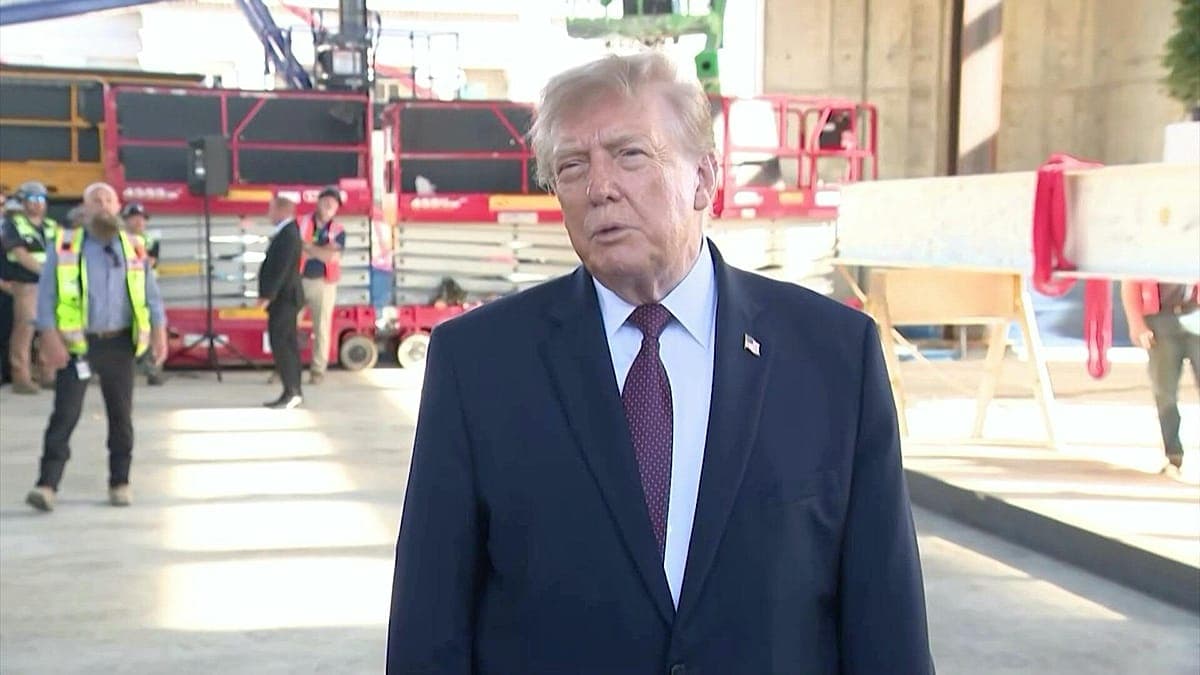
Six days before the US midterm elections scheduled for November 3, more than two dozen of President Donald Trump's leading political strategists gathered for a closed video call where they expressed growing anxiety about the party's electoral prospects. This was reported by The New York Times citing four participants of the discussion; Anadolu publishes a summary.
Jokes about asylum and the context of Israeli elections
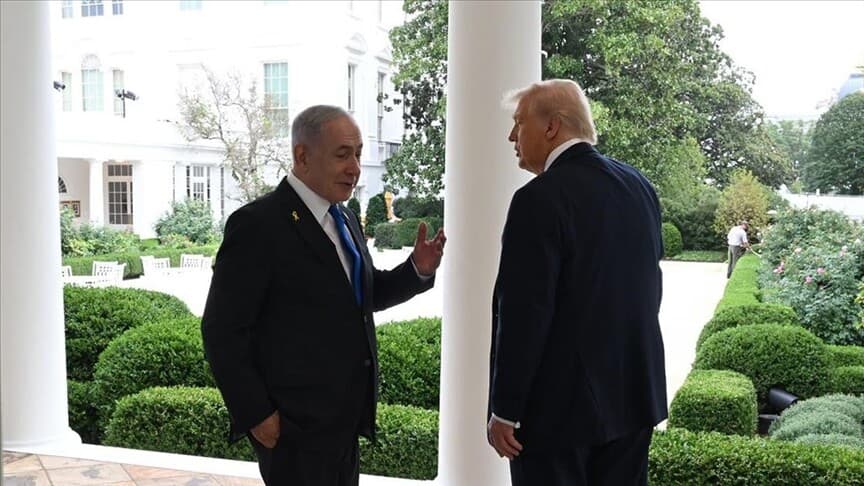
According to the newspaper, the conversation included dark humor about funerals, prison food, presidential pardons, and possible escape from the country. James Blair, who left the White House to lead Trump's midterm election strategy, sarcastically remarked: 'At least Bibi won. He will protect us,' referring to Israeli Prime Minister Benjamin Netanyahu. Trump's chief strategist Tony Fabrizio replied: 'Maybe we could get asylum in Israel.' These remarks were made one day after the Israeli elections, where Netanyahu's bloc failed to secure a parliamentary majority, after which his party claimed the elections were stolen, the publication notes.
Election forecasts and results
During the same call, Fabrizio and Republican data consultant Tim Saler described two possible electoral scenarios, including one predicting a crushing defeat for Republicans. The fears were justified: Democrats gained control of the House of Representatives and the Senate, winning key races in traditionally Republican states—Kansas, South Carolina, and Texas.
War with Iran and the economy as factors of defeat
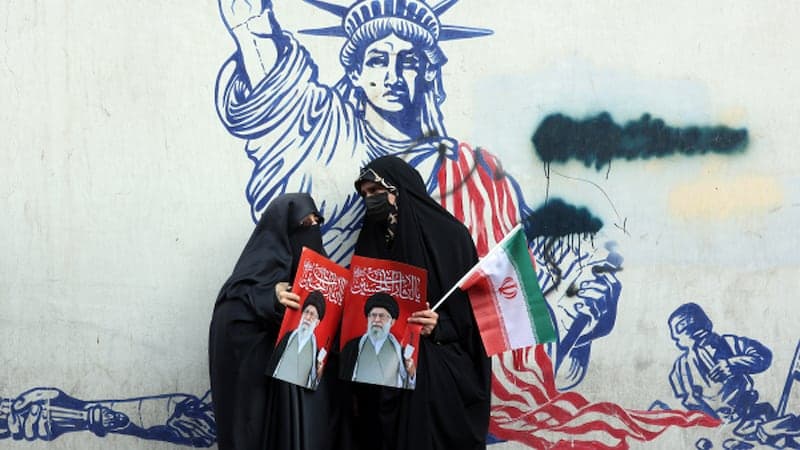
According to the report, the ongoing war with Iran played a central role in undermining Republican support: the closure of the Strait of Hormuz pushed gasoline prices in the US above $4 per gallon. An internal presentation distributed among White House staff during the summer showed that Democratic support increased during active combat, decreased during diplomatic negotiations, and rose again after the ceasefire collapsed. By the end of July, Democrats held a 10-percentage-point lead in the national congressional ballot. The presentation warned that Republicans' chances of retaining the House depended on extending the ceasefire, reopening the Strait of Hormuz, and lowering gasoline prices.
Other reasons and consequences
According to the newspaper, the conflict also undermined Trump's campaign promises to avoid new wars and reduce the cost of living. Republican polls conducted two weeks before the elections showed that voters not planning to vote for the party cited ending the war and fighting inflation as their main concerns. The New York Times also points to Trump's trade policies, corruption allegations, and the administration's actions amid economic difficulties. Democrats, for their part, built their campaign on rising household expenses and accusations that the administration prioritizes wealthy elites over ordinary Americans; Democratic leader Hakeem Jeffries stated that the war with Iran helped 'energize' the contrast between the parties. Democrats' takeover of Congress is expected to complicate Trump's legislative agenda in the final two years of his presidency.