The key facts
- President Bola Tinubu, running for re-election, is known as the 'godfather of Lagos'
- President Bola Tinubu, who is seeking re-election, is known as the 'godfather of Lagos'
- A conflict between Rivers Governor Fubara and former governor Wike led to impeachment proceedings and a state of emergency
- Residents of Port Harcourt link the floods to the paralysis of governance
- Residents of Port Harcourt link the flooding to the paralysis of state governance
Shadow rulers on the eve of the elections
Nigeria is preparing for elections that will take place just over two months from now. As AFP notes, the battle will unfold not only at rallies and on the airwaves, but also behind the scenes — among 'godfathers', informal patrons who determine who comes to power. President Bola Tinubu, running for a second term, is himself known by the nickname 'godfather of Lagos'. According to Henry Ekine, a lawyer and human rights activist from Rivers State, godfatherism is not simply legitimate support for a candidate, but 'positioning oneself in ultimate control' — that is, complete control over one's protégé.
What 'godfatherism' means in practice
Godfathers are, as a rule, serving or former politicians themselves. Ekine describes them rather as 'de facto' governors: they influence the allocation of state contracts, siphon off funds and decide who is appointed to public offices. Such a system of loyalty to unelected figures, critics argue, leads the government to pay more attention to elite intrigues than to improving the lives of ordinary citizens. History also knows of conflicts between patrons and their 'godsons': in 2019, former Kano governor Rabiu Kwankwaso, having fallen out with his successor, backed rival Abba Kabir Yusuf — on campaign posters, Kwankwaso's face was even larger than that of the candidate himself.
Rivers State: a conflict as a chronicle
A vivid example of the consequences of such a system is the oil-rich state of Rivers, where, according to analysts, the political crisis was triggered by a conflict between Governor Siminalayi Fubara and his patron, former governor Nyesom Wike, who is close to Tinubu and, according to reports, secured Fubara's election in 2023. Since then, the state has experienced a series of crises: legislators loyal to Wike repeatedly initiated impeachment proceedings, and at one point Fubara tried to govern the state with an assembly of just four members, having sacked 27 of Wike's supporters. Among the episodes are a fire that destroyed the legislative assembly building and attacks on oil infrastructure, which Tinubu cited as grounds for imposing a constitutionally contested state of emergency. Representatives of Wike and Fubara did not respond to AFP's requests. Notably, Fubara, a member of the ruling APC party, is not seeking a second term — the first time in such a situation. Dengiefah Angalapu, an analyst at the Centre for Democracy and Development in Abuja, called him 'an early lame duck' and stated that since then 'governance in Rivers State has died'.
The cost of paralysis for residents
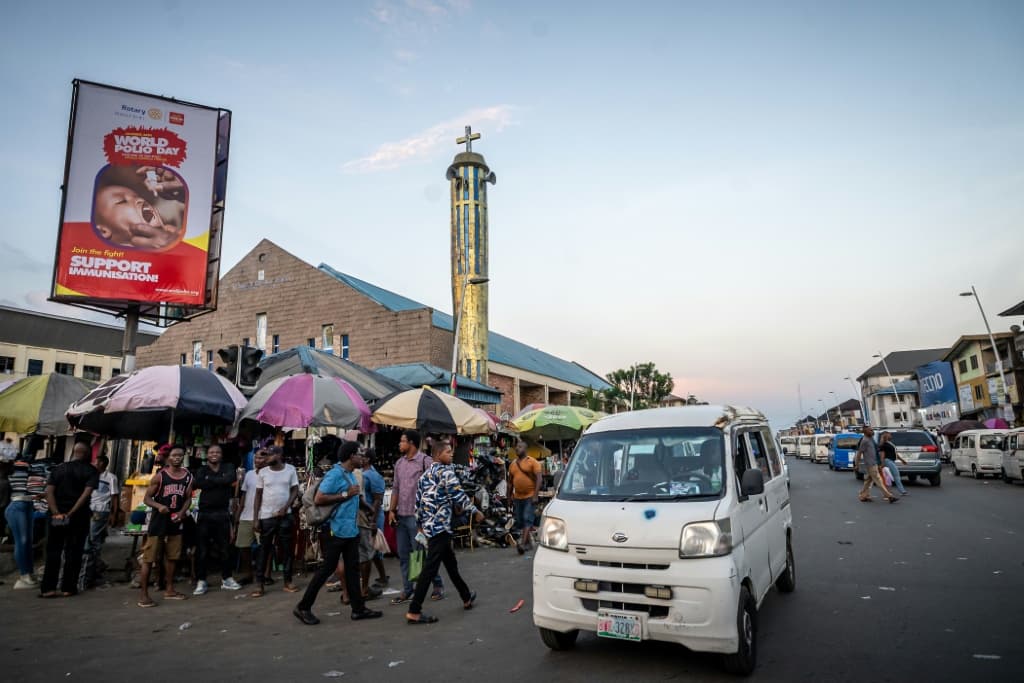
The consequences of the crisis are visible on the outskirts of Port Harcourt: a street ends at murky water that has flooded middle- and working-class neighbourhoods. Businesses are closed, thousands of residents have been forced to leave their homes, and some have been paying for hotels for weeks. 'We need intervention immediately. This is more important than politics. We don't care about politics,' said Kingsley Obinna Ejikem, a 40-year-old oil and gas worker. Local activist Obinna Ebogidi sees a direct link: ten years ago there was a comparable flood, followed by annual but weaker ones. Channels and drains need to be regularly cleared of debris and silt, but this was not done. 'The people who are supposed to govern are so distracted by internal squabbles,' he said, adding that citizens 'pay for it every day'. He himself lost a laptop in the water and is repairing a destroyed fence, fearing new rains.
The international dimension and the campaign agenda
The international context also casts a shadow over the political system: the existence of an FBI dossier on Tinubu over alleged links to a drug trafficking network, AFP notes, fuels suspicions that Washington may hold excessive influence over the 74-year-old leader. Tinubu himself denies any wrongdoing in the long-running drug history. Meanwhile, on Saturday he will hold a rally in Rivers — a key state with the fifth-largest number of registered voters. For readers of tafs.uz, this material shows how informal power structures affect the governance of entire regions: the elite conflict in Rivers, according to local residents and analysts, has resulted in a paralysis of basic services and flooded neighbourhoods.