The key facts
- On November 4, Switzerland joined the EU's 21st sanctions package; the assets of 254 individuals and legal entities are subject to freezing
- The restrictions affected 33 Russian banks, 41 companies, four airports, two ports and 41 vessels of the
Decision of the Federal Council
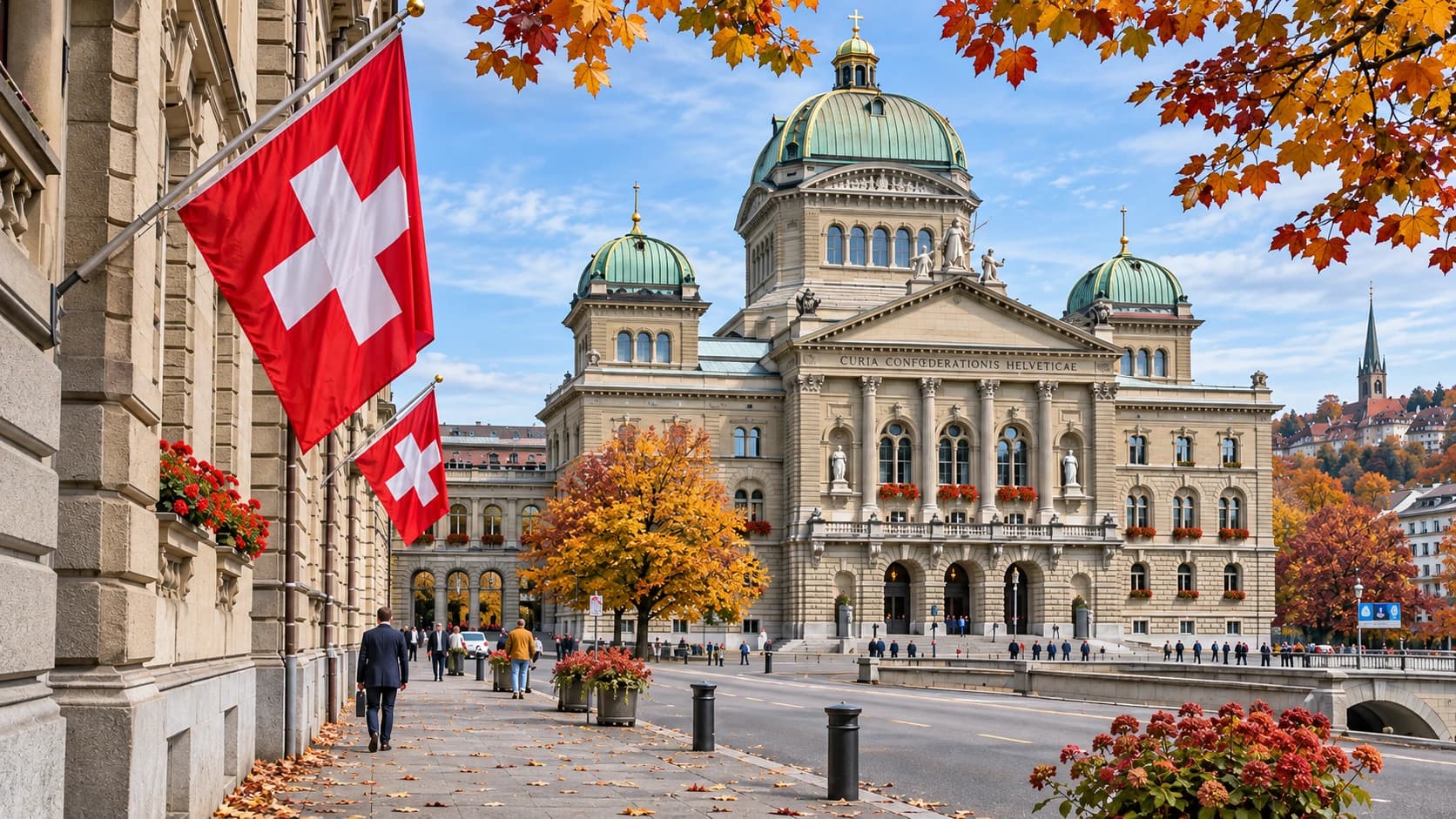
On November 4, Switzerland joined the measures of the EU's 21st sanctions package against Russia and Belarus, expanding restrictions against banks, companies and individuals. The decision was taken by the country's Federal Council, as reported by Life.ru citing a statement by the Swiss government.
Content of the new restrictions
The new restrictions cover 254 individuals and legal entities: their assets are subject to freezing, while the individuals are banned from entering the territory of the confederation and from transiting through it. At the same time, the updated sanctions list of the Swiss State Secretariat for Economic Affairs (SECO) shows that the authorities removed six individuals and one company.
Financial, transport and energy sectors
At the same time, Bern tightened export controls against 41 companies, including firms from third countries. The ban on conducting operations was extended to 33 Russian banks, as well as a number of other financial institutions and cryptocurrency service providers. The new restrictions affected four Russian airports and two seaports, and another 41 vessels — which the Swiss authorities link to the Russian
Context and possible Russian response
The European Union approved the 21st sanctions package in July 2026; the main measures target Russia's energy and financial sectors. Switzerland is not an EU member, but it independently decides whether to join European restrictions — which is why its accession to each package is formalized by a separate decision of the Federal Council, and the SECO list may differ from the EU-wide one, as seen in the removal of six individuals and one company. Earlier, the Russian Foreign Ministry allowed for raising customs duties on European goods and restricting their imports in response to EU sanctions; the possible measures also include introducing export and import quotas. According to Life.ru, final decisions will be made with the interests of the Russian economy in mind, so that retaliatory restrictions do not harm the domestic market and domestic producers.