The key facts
- In January, EU foreign ministers will discuss new measures against Georgia, Kaja Kallas said
- The European Commission's annual report records further democratic backsliding in Georgia
- Prime Minister Irakli Kobakhidze declared his commitment to EU membership but offered no plan to unfreeze relations
January discussion of new measures
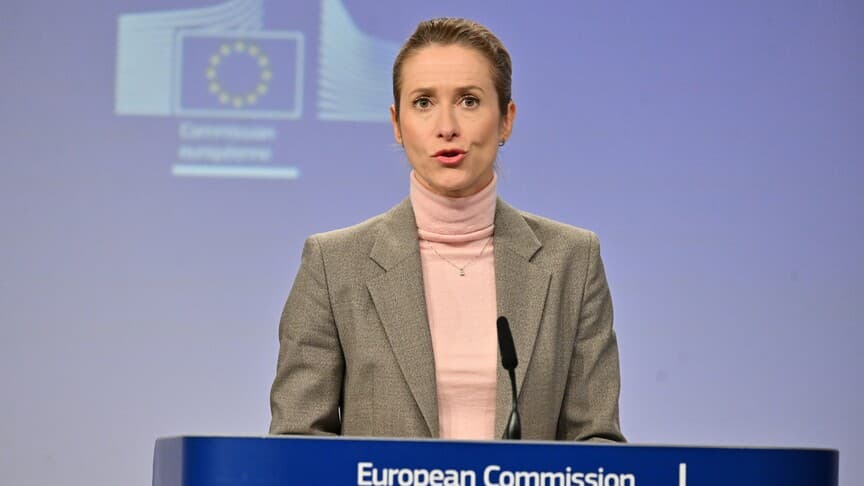
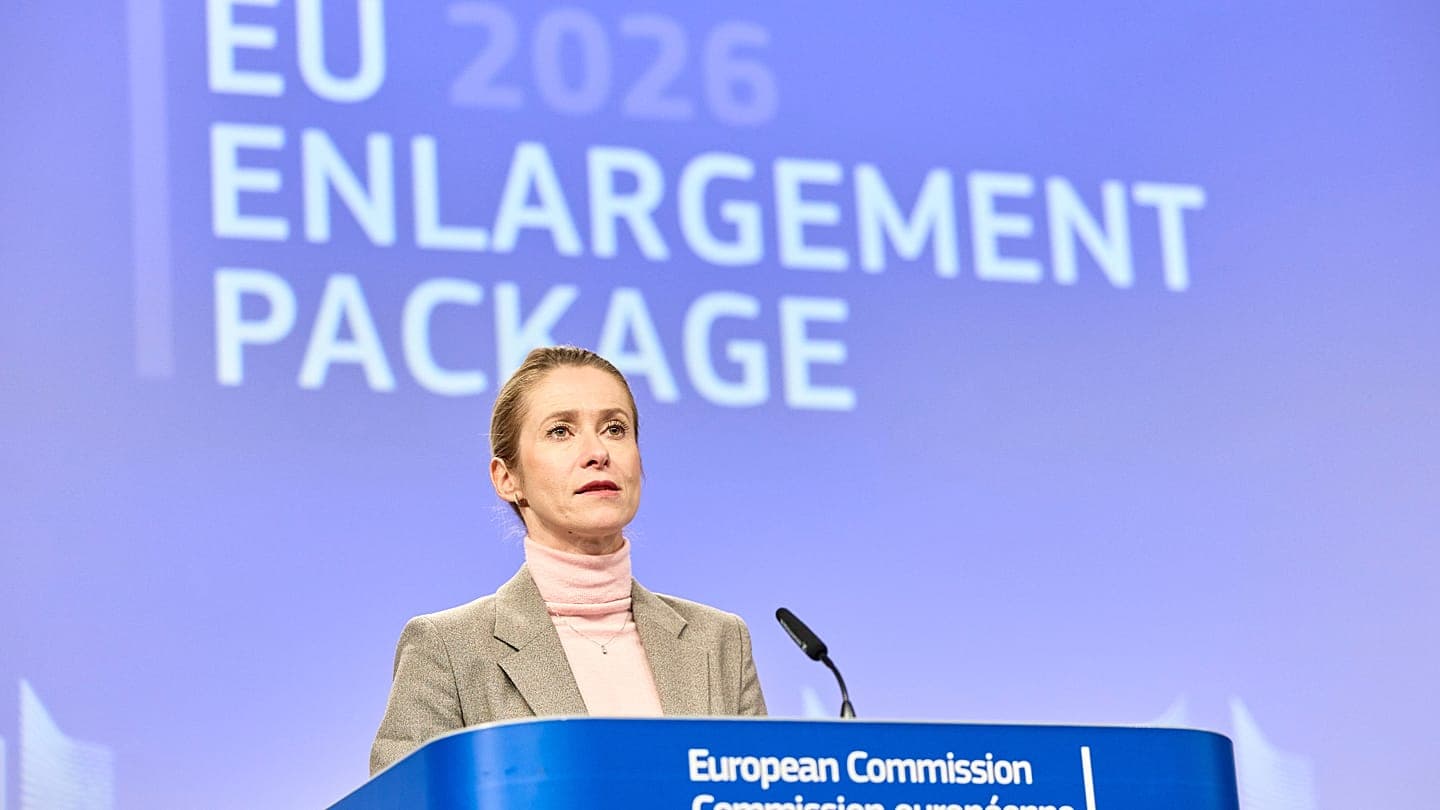
EU foreign ministers will hold an 'in-depth discussion' (deep dive) in January on new measures against Georgia aimed at halting Tbilisi's further democratic backsliding. This was announced by the EU High Representative for Foreign Affairs and Security Policy Kaja Kallas at a press conference dedicated to the publication of the annual reports on the progress of candidate countries, Euronews reports.
The European Commission report and Kallas's position
The European Commission reports on candidate countries published on Wednesday record further democratic backsliding for Georgia: new restrictions on civic space and a deterioration in fundamental rights. 'The Georgian government is now heading toward a collision with the European Union over democratic backsliding. This is very, very clear. The steps taken now are not going in the right direction,' Kallas said. Asked by Euronews whether she would propose new sanctions against the Georgian government, she replied that it was too early to talk about that, since the January discussion is intended to reconcile different points of view. According to her, what matters most for the EU is to show support for the Georgian people and their aspiration to be part of the European Union, while sending a clear signal to the government that the EU does not support such a policy.
What has already been done and what stands in the way of sanctions
In 2024, the EU diplomatic service proposed imposing sanctions on officials responsible for the violent suppression of peaceful protests, but Hungary and Slovakia blocked these measures — sanctions require unanimity. Since then, Euronews notes, Viktor Orbán has lost power in Budapest, and the new Hungarian government has noticeably shifted its position on sanctions against Russia. Meanwhile, Brussels managed to suspend the visa-free regime for holders of Georgian diplomatic passports — a qualified majority was enough for this. The restriction has been in effect since March 2026 for one year; it can be extended by a maximum of two years, but for this the Commission must adopt a secondary legal act no later than 6 January 2027.
The deadlock in accession talks and Tbilisi's position
In November 2024, Tbilisi unilaterally announced that it would not seek the opening of EU accession talks until the end of 2028 — after the Commission's report revealed serious democratic backsliding, from the judiciary to media freedom. At Euronews' EU enlargement summit on Tuesday, Georgian Prime Minister Irakli Kobakhidze said he was 'very committed' to the country's path to EU membership, but, as the outlet notes, he offered no plan for thawing relations with Brussels. 'At this point, everything is on the table,' Kallas said about possible measures.