The key facts
- Of the 36 Class 398 tram-trains, only 16 have passed the mandatory certification for the British railway network
- Full launch on the 105-mile network is promised by the end of 2027 instead of the original 2022
- The full launch across the 105-mile network is promised by the end of 2027 instead of the original 2022
- TfW attributes the delay to software problems and the late completion of line electrification
- TfW attributes the delay to software problems and the late completion of electrification work on the line
An expensive fleet sits idle in the depot
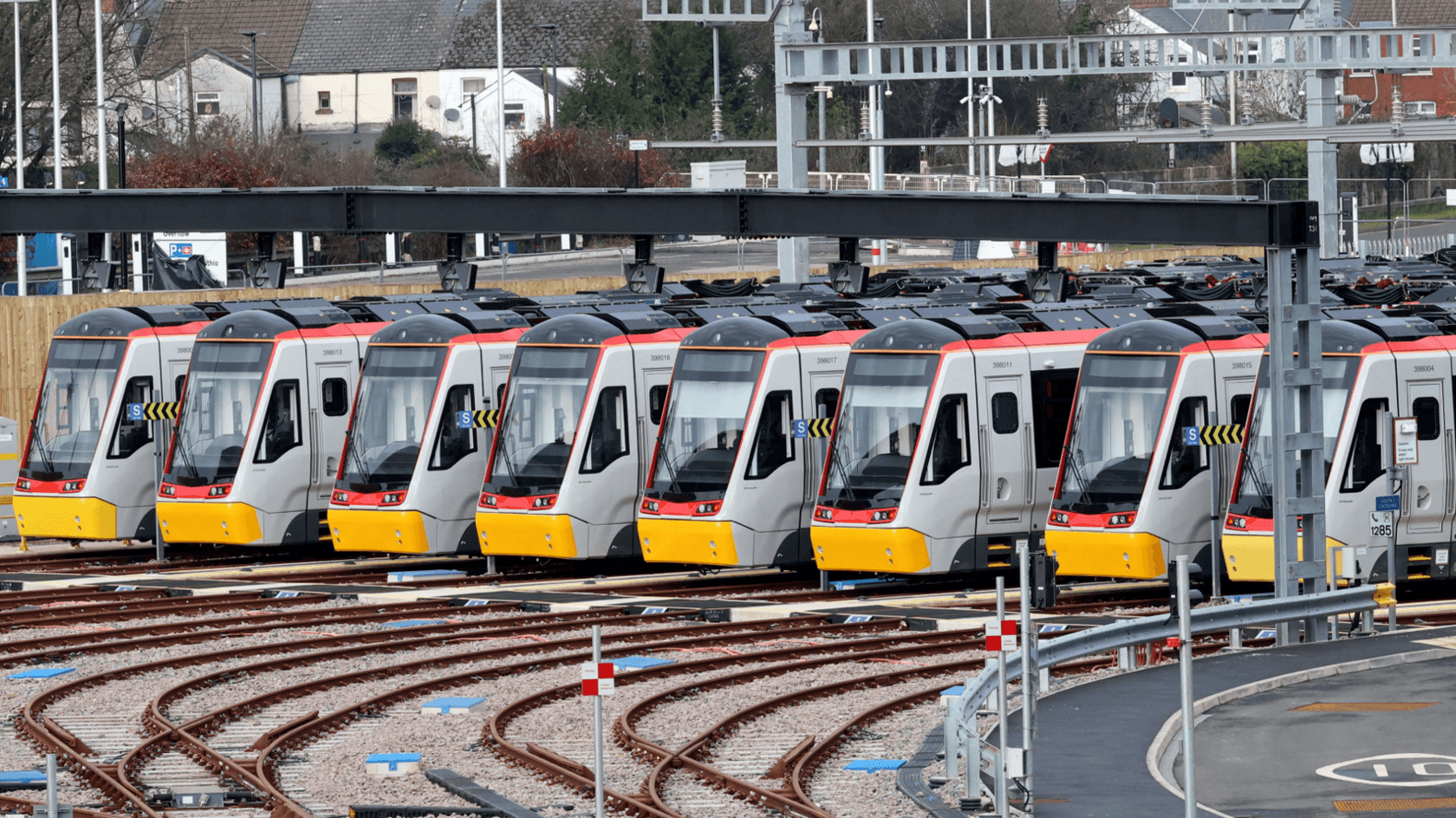
A fleet of 36 tram-trains, paid for by taxpayers at a cost of more than £200 million, remains largely unused more than three years after the first vehicle was delivered. This is reported by BBC News citing data obtained through a freedom of information request. The supply contract was signed with the Swiss manufacturer Stadler back in 2018, and the first train arrived in Wales in March 2023. Since then, King Charles III and former prime minister Keir Starmer have been inside the carriages, but there have been very few passengers.
Timelines pushed back by five years
Originally it was promised that the tram-trains would be fully in service by 2022, and that service frequency on the routes from Cardiff to Aberdare, Merthyr Tydfil and Treherbert would double — from two to four trains per hour — also by 2022. Now Transport for Wales is naming the end of 2027 as the deadline. TfW chief James Price calls the situation 'certainly disappointing' but 'not unexpected', and insists the trains will only be put into full operation when they work '100% well, 100% of the time'.
What explains the delay
According to the BBC, only 16 of the 36 three-car trains have passed the mandatory statutory safety testing for the British railway network; testing of individual vehicles, which began in 2024, takes from six weeks to two years. Price claims the main problem is software-related: the entire fleet is controlled by a single software package with a high degree of automation, which, he says, will in future allow improvements to be made through software updates rather than mechanical modifications. TfW also points out that the line electrification infrastructure was only completed in March due to delays caused by the Covid pandemic and supply chain disruptions linked to the war in Ukraine. Stadler says it is 'working closely' with TfW on 'minor issues' and describes the trains as among the most advanced battery-powered tram-trains in the UK.
Dispute over design and costs
Engineer and #railnatter podcast host Gareth Dennis suggested in a comment to the BBC that the tram-trains may simply be too complex: this is the first deployment combining tram, train, battery propulsion and intermittent electrification, and in his view such a combination is unpopular for a reason. TfW counters that similar technology is already in operation on the larger Class 756 trains, which have been running on the valley lines since 2024 in place of the old trains, and that partial electrification (only two-thirds of the network has overhead lines) saved around £400 million. While the tram-trains are not in service, it is the Class 756s that are serving passengers, and after the full launch they are planned to be transferred to the Bridgend — Rhymney line.
Politics and outcomes
The opposition in Wales is demanding explanations: Reform party shadow transport minister Jason O'Connell said taxpayers 'deserve to know what went wrong', pointing to years of delays and rising costs. TfW, which took over management of the Wales and Borders franchise worth £5 billion during the Covid period, defends the project's overall pace: according to Price, the lines only passed to the company in 2021, and by 2025 most of the work had been largely completed, with the network today served almost entirely by new trains. For passengers, the practical outcome is this: four trains per hour on three routes are promised by the end of 2027, and Price 'fully expects' to meet that deadline; the Welsh government confirms that TfW 'remains committed' to completing the full rollout by the end of next year.
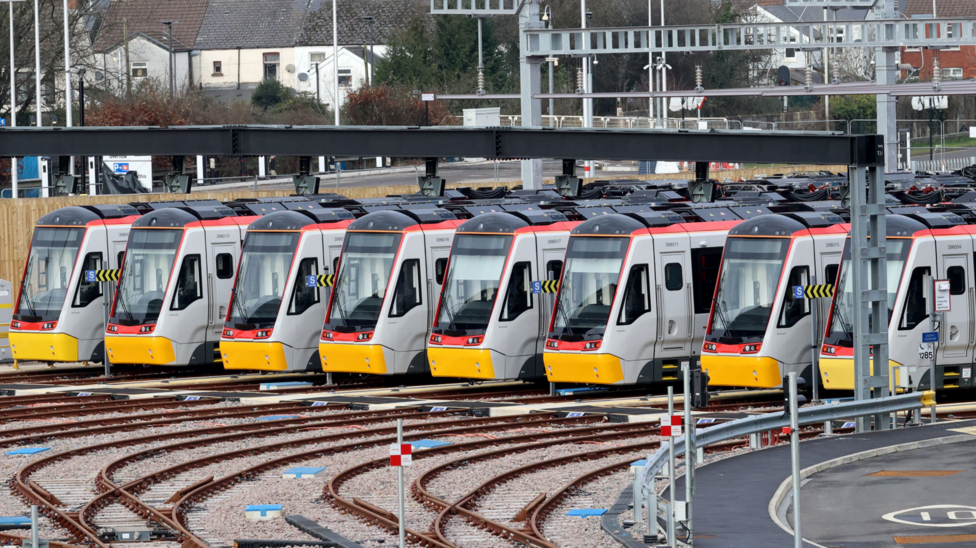 Image source, Getty Images
Transport for Wales say the tram‑trains are 'central' to delivering the faster, more frequent journeys on the South Wales Metro
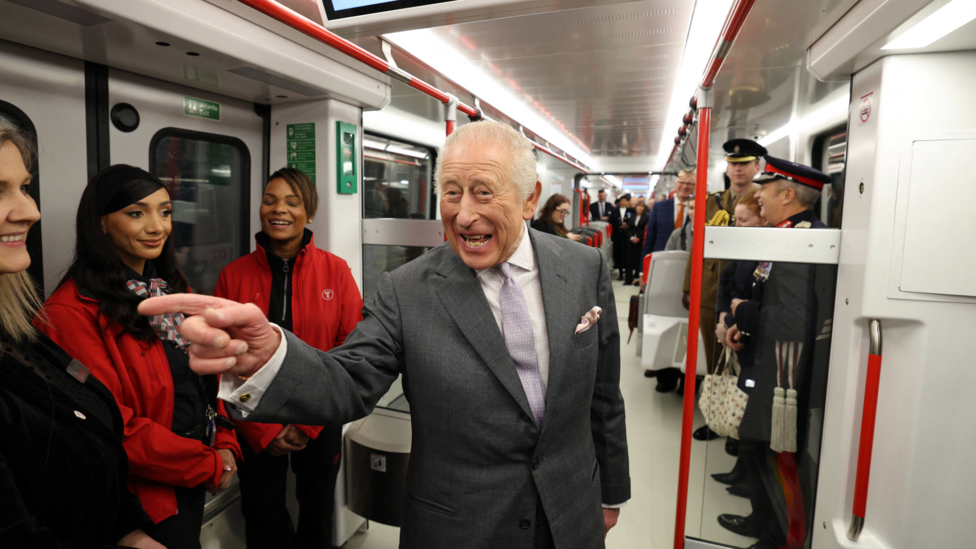 Image source, Getty Images
King Charles took the controls of a tram-train during a visit to officially open the new South Wales Metro depot that will store the new fleet
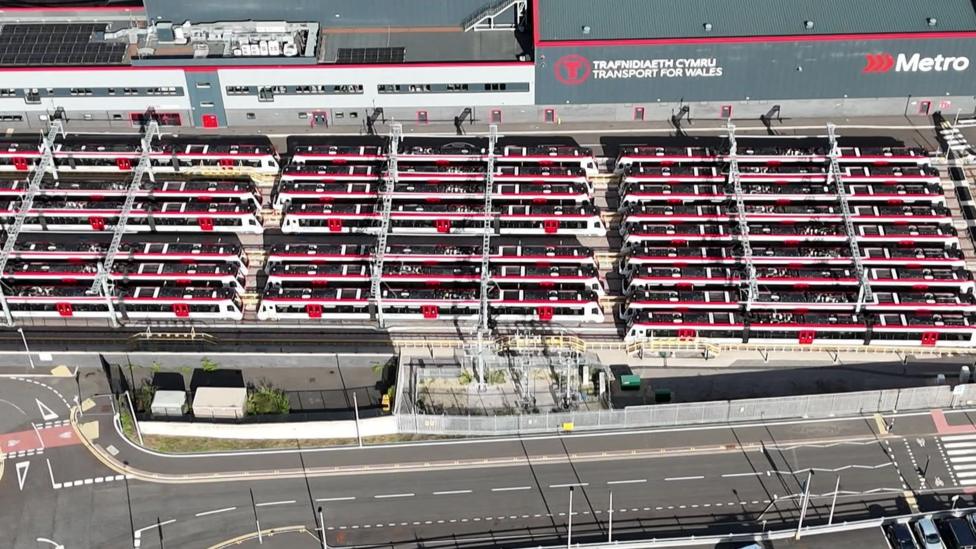
Some of the South Wales Metro tram-trains have been stored at Transport for Wales' new £100m depot near Cardiff for up to three-and-a-half years
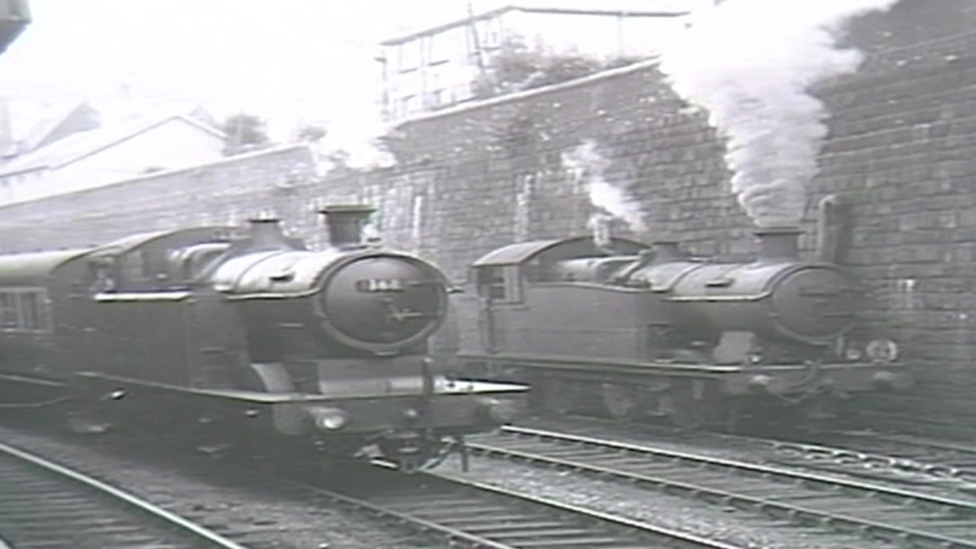
The South Wales Metro is on the old Taff Vale Railway network that once transported coal from the south Wales coalfields to Cardiff Docks where it was shipped around the world
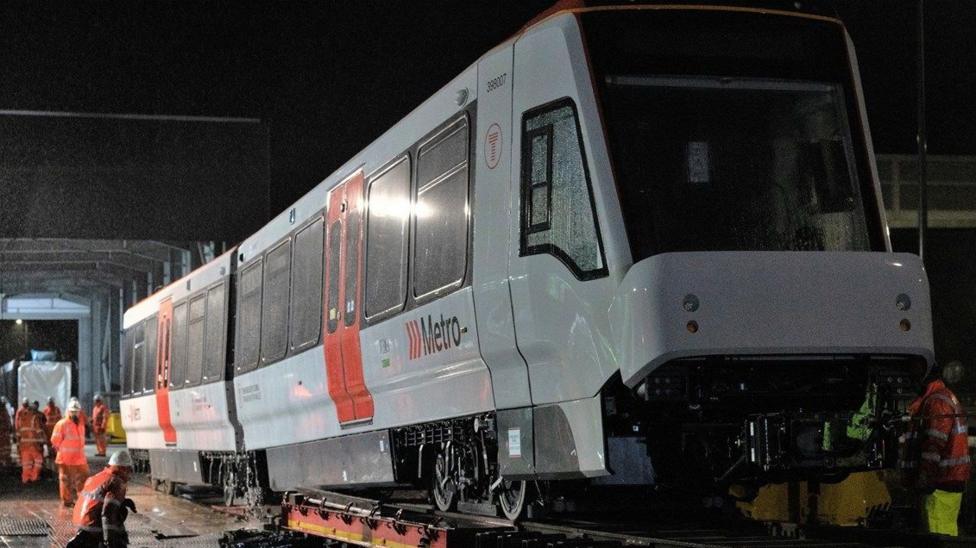 Image source, Transport for Wales
The first South Wales Metro tram-train arrived at TfW's depot on 21 March 2023 after months of testing at Network Rail's Rail Innovation and Development Centre in Leicestershire
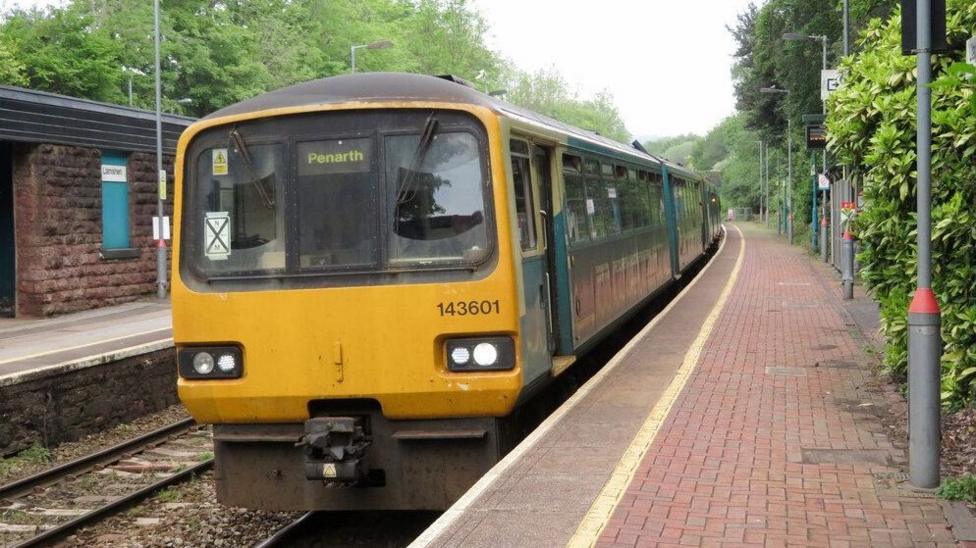 Image source, Geograph | Gareth James
Before the new South Wales Metro rolling stock arrived, old Pacer trains like this Arriva Trains Wales unit were among the trains that served passengers in south Wales
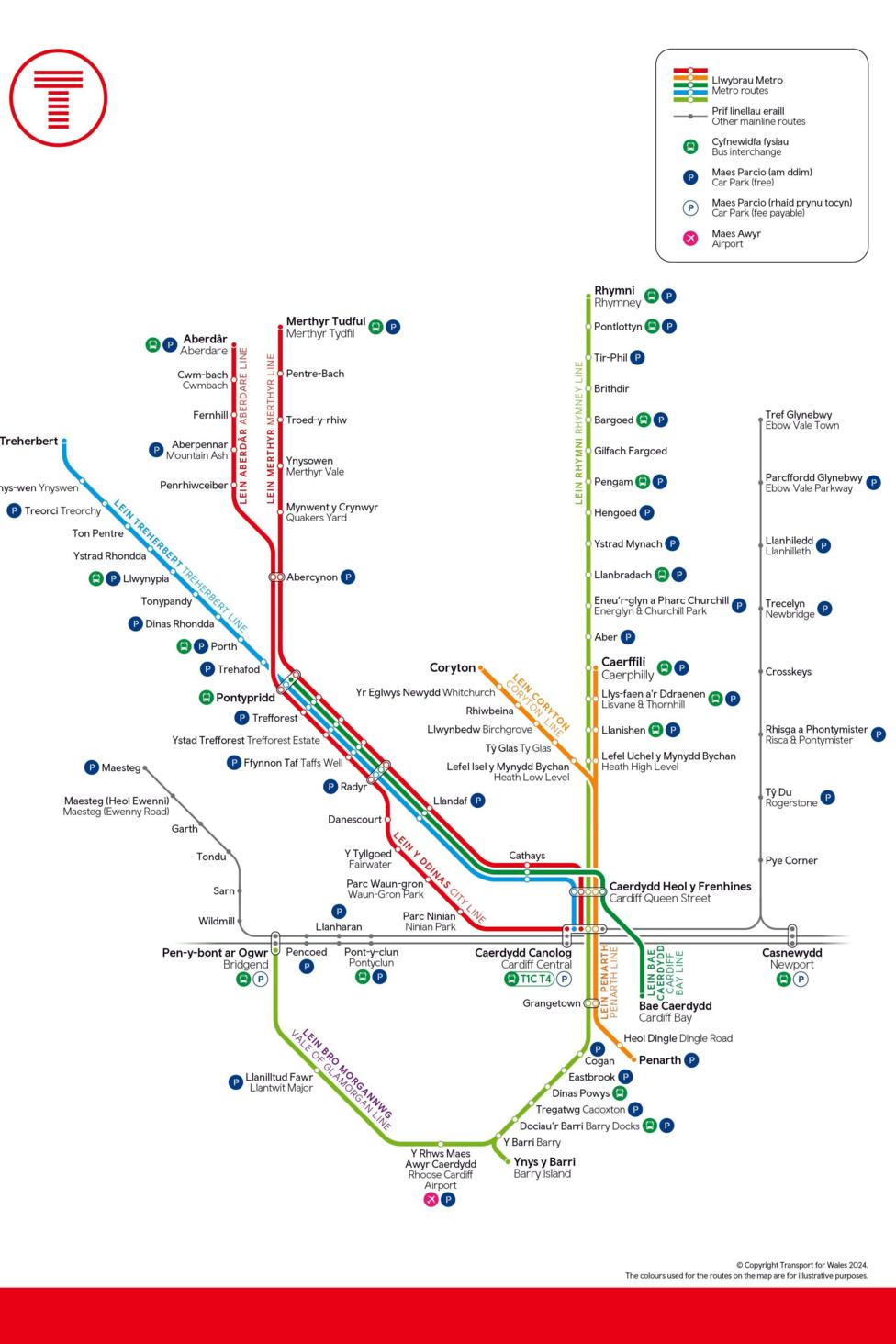 Image source, Transport for Wales
The 105-mile (170km) South Wales Metro is sometimes known as the 'Welsh Tube' or 'Tiwb Cymru' and has services with level boarding, has tap in tap out ticketing and multi-coloured lines
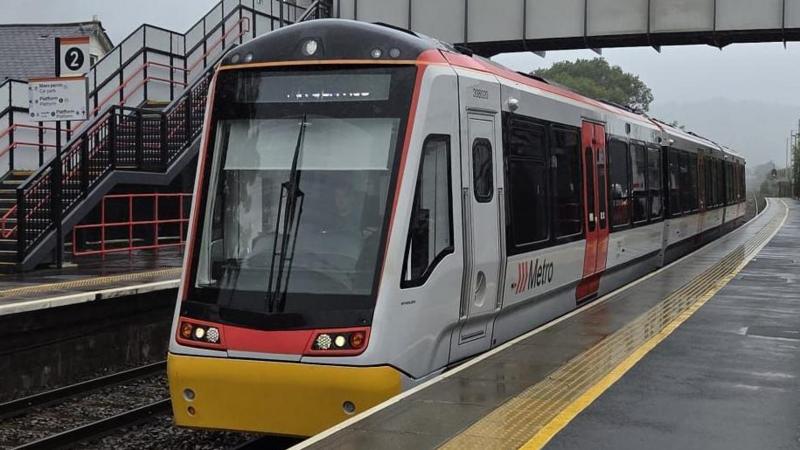
Transport for Wales say it can cut journey time from the top of the south Wales valleys to Cardiff to 50 minutes.
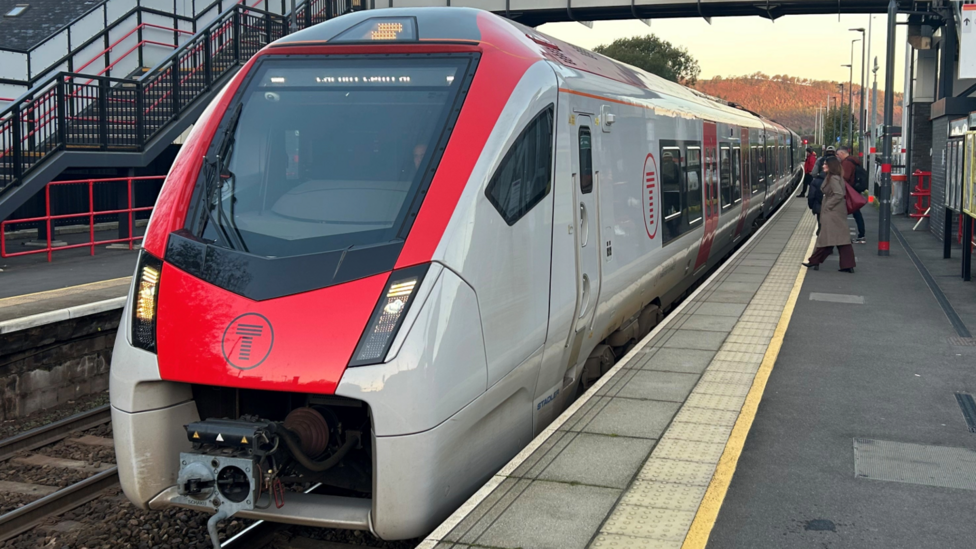
Once the tram-trains are in full service on the South Wales Metro, the class 756 trains that are currently operating on the network will move to their intended home on the Bridgend-Rhymney line