The key facts
- Over nine months of 2026, Russia supplied South Korea with more than 174,000 tonnes of fish and seafood — about 24% of Korean imports
- Exports of frozen herring grew by 39% to 17,300 tonnes, with pollock accounting for about 45% of supply volumes
- The average export price rose by 31% over the year — to $4.23 per kilogram
Russia remains the largest supplier of fish to the Korean market
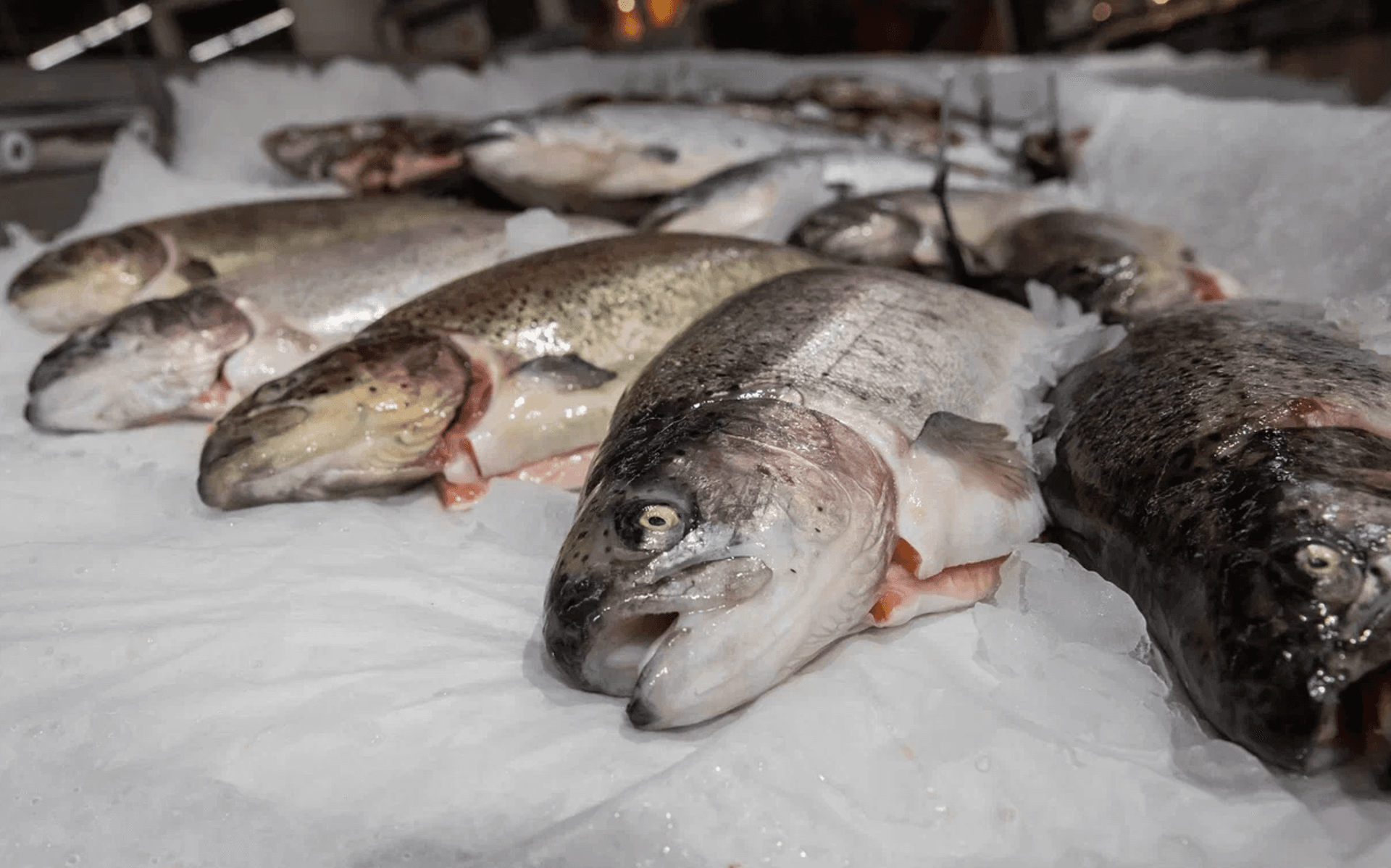
By volume, Russia has remained the largest supplier of fish and seafood to South Korea. Between January and September 2026, the republic purchased more than 174,000 tonnes of fish products from Russian suppliers, which amounts to almost a quarter of all South Korean fish and seafood imports. The figures are cited by the Fish Union with reference to the company Union Forsea Corp., as reported by Life.ru.
Pollock and herring form the backbone of supplies
Frozen pollock formed the basis of Russian exports to Korea: 78,400 tonnes were supplied, or about 45% of the total volume of fish products over nine months. Exports of frozen herring grew by 39% in physical terms and reached 17,300 tonnes. Meanwhile, the average export price of Russian fish products rose by 31% over the year — to $4.23 per kilogram. The Fish Union links the growth in shipments to record catches of Pacific herring in the Far East.
Record herring catch as the basis for growth
The growth in supplies rests on record catches: over the first ten months of 2026, the Far East harvested more than 612,000 tonnes of Pacific herring, which is 2.7 times higher than the average annual figure over 90 years of observations — 228,000 tonnes. According to Life.ru, the industry hopes to set a new historical record for catches by the end of the year. For the Korean market, this means that the growth in herring supplies is, for now, backed by the raw material base, but the final results of the year will only be known after the fishing season ends.