The key facts
- The Mikhailovskaya and Tamanskaya breeds were crossed, producing first- and second-generation offspring
- The genome of the Russian catfish has been decoded for more precise selection
- The goal is cold resistance, fast growth, and disease resistance
A hybrid of two domestic breeds
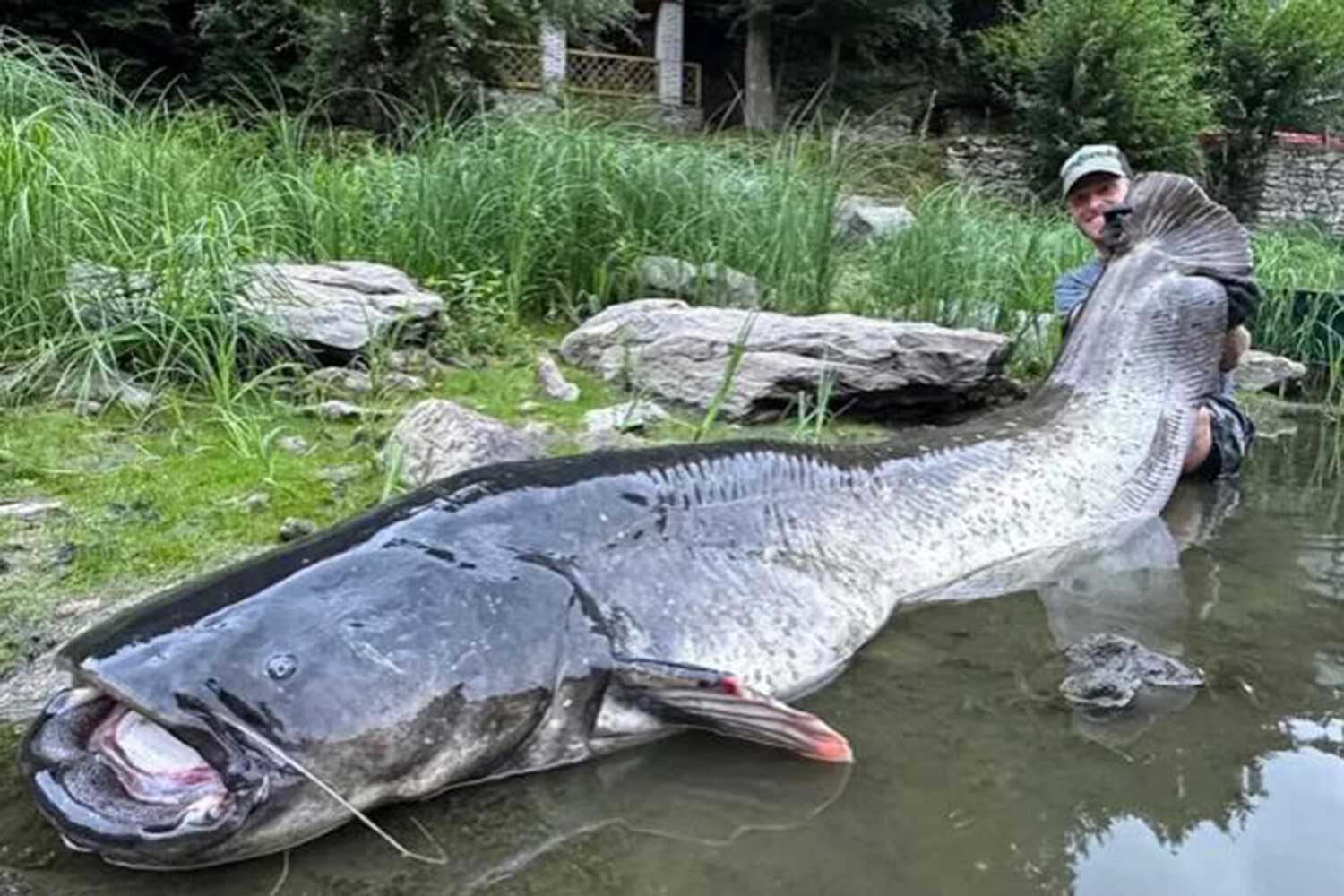
Russian scientists are working on creating a new hybrid of the African catfish, reports Izvestia. Specialists from Moscow State University of Technologies and Management named after K.G. Razumovsky (the First Cossack University) crossed representatives of two domestic breeds — the Mikhailovskaya and the Tamanskaya — and have already obtained first- and second-generation offspring. In addition, the genome of the Russian catfish has been decoded, which makes it possible to carry out selection not only based on external traits but also taking genetic data into account.
Why cold resistance is needed
The ordinary African catfish requires high water temperatures, so in Russia it is raised mainly in the south or in enclosed ponds with water heating. Scientists want to obtain an aquaculture species acclimatized to colder water, so that the fish can be bred in an ordinary pond without spending money on electricity — this is precisely the main practical change the work is aimed at.
Which traits they plan to fix
In addition to cold resistance, the new hybrid is expected to have a high growth rate, good feed conversion, greater muscle mass, and disease resistance. Further selection may proceed in parallel with the commercial breeding of the hybrid. According to experts quoted by Izvestia, the African catfish is an almost ideal fish for restaurants: it has no scales, no small bones, and no pronounced fishy smell, so it could become an alternative to imported fish, as well as to expensive trout and salmon. Earlier, in May, an expert had already called for tapping the potential of domestic aquaculture.