The key facts
- Moldova intends to ban Krasnoselsky from leaving the country for five years after his visit to Moscow
- The reason was the president of Transnistria being awarded the Russian Order of Honor
- Maia Sandu previously called the presence of Russian troops the main obstacle to the return of Transnistria
Restrictive measures after the Moscow visit
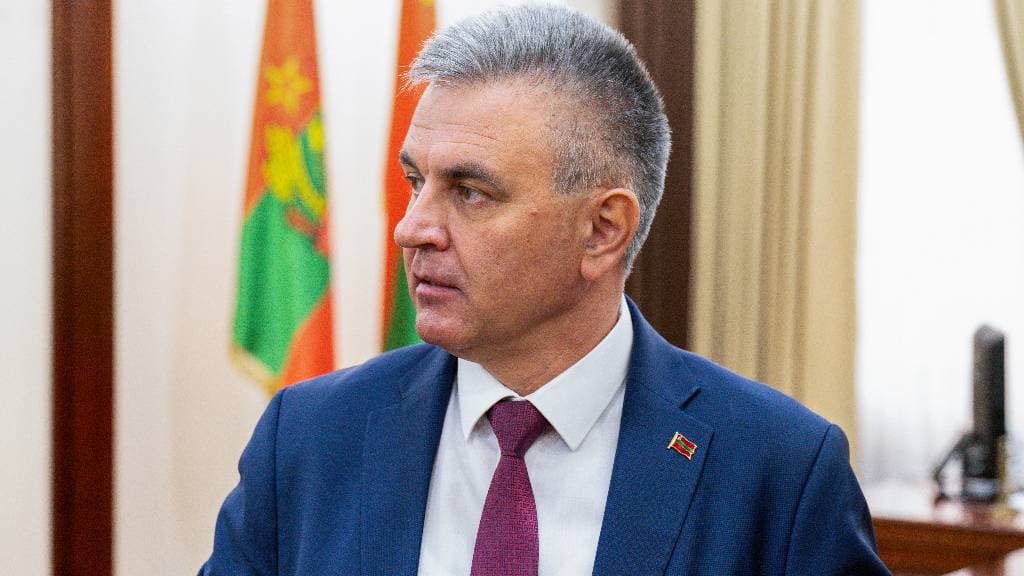
The Moldovan authorities intend to ban Vadim Krasnoselsky, president of the unrecognized Transnistria, from leaving the country for five years after his trip to Moscow. The reason for the restrictions was the politician being awarded the Russian Order of Honor, Life.ru reports.
Statement by the Moldovan agency
The statement issued by the agency on its Telegram channel reads: «We condemn Russia's actions and will analyze possible response measures, without allowing an escalation of the situation. <…> Upon Krasnoselsky's return, we will apply restrictive measures to him, including a ban on leaving the country for a period of 5 years». Thus, Chisinau is simultaneously signaling both a tough reaction and an intention to prevent the situation from worsening.
Context of Chisinau's position
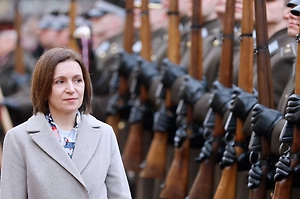
Earlier, the President of Moldova Maia Sandu called the presence of Russian troops the main obstacle to returning Transnistria to Chisinau's control. According to her, the Moldovan authorities intend to resolve the conflict peacefully and are already holding consultations with the European Union. At the same time, Sandu stated that she considers the presence of Russian servicemen on the territory of the unrecognized republic unlawful.
What is known and what remains unclear
At the time of publication, this concerns a declared intention of the Moldovan authorities: the agency's wording suggests that the restrictive measures will be applied «upon Krasnoselsky's return». Whether they have taken effect and how the Transnistrian side has reacted is not reported in the available publications.