The key facts
- Herzog will announce on Sunday who receives the mandate to form the government
- 67 Knesset members recommended Eisenkot, 46 recommended Netanyahu
- Eisenkot proposed four principles for the future coalition
Talks on an emergency government
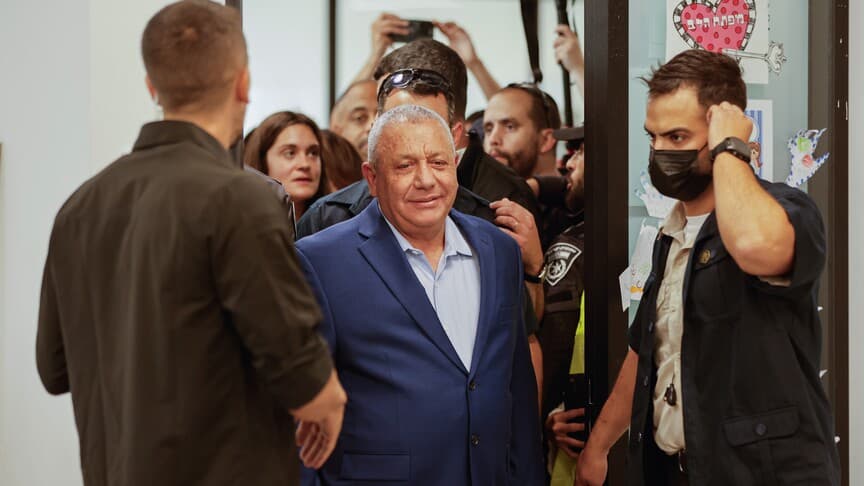
Israeli opposition leader Gadi Eisenkot said on Friday that negotiations on forming a national emergency government had made significant progress, and expressed hope of receiving the mandate to form it early next week. He made the statement in a post on the X platform, Anadolu reports.
The balance of power in the Knesset
Eisenkot, who heads the Yeshar party, said that Israel is going through a 'real, tangible and dangerous emergency situation,' and called for a swift transfer of power so that outgoing Prime Minister Benjamin Netanyahu does not remain at the helm. According to him, 74 of the 120 Knesset members did not express confidence in Netanyahu's continued leadership, and only 46 backed the outgoing prime minister. His team held dozens of hours of talks with opposition parties, achieving, in his assessment, 'significant progress and breakthroughs.'
Principles of the future coalition
Eisenkot proposed forming a government on the basis of four principles: recognition of Israel as a Jewish and democratic state, adherence to the values of the Declaration of Independence, mandatory military, national or civilian service for all, and recognition of Hamas as a terrorist organization with a commitment to eliminate its military and governing capabilities. He promised to invite into the government all factions and members of parliament ready to accept these principles, and warned that new elections would only prolong the political uncertainty and allow Netanyahu to remain acting prime minister.
The president's decision on Sunday
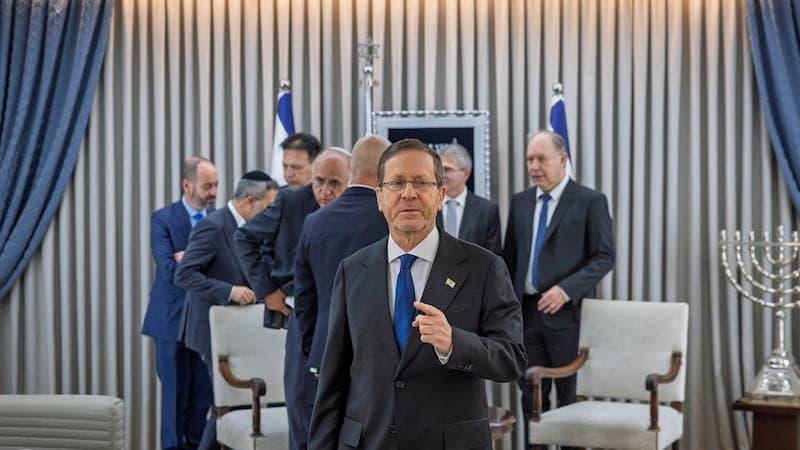
Eisenkot's statement came a day after Israeli President Isaac Herzog announced that on Sunday he would determine which member of parliament to task with forming the next government. Following consultations with the parties, factions representing 67 Knesset members recommended Eisenkot, and 46 recommended Netanyahu. The October 27 elections produced a fragmented parliament: Netanyahu's bloc won 53 seats, the Jewish opposition bloc 48, and the Arab-sector parties 19, with neither bloc reaching the 61 seats needed for a majority.