The key facts
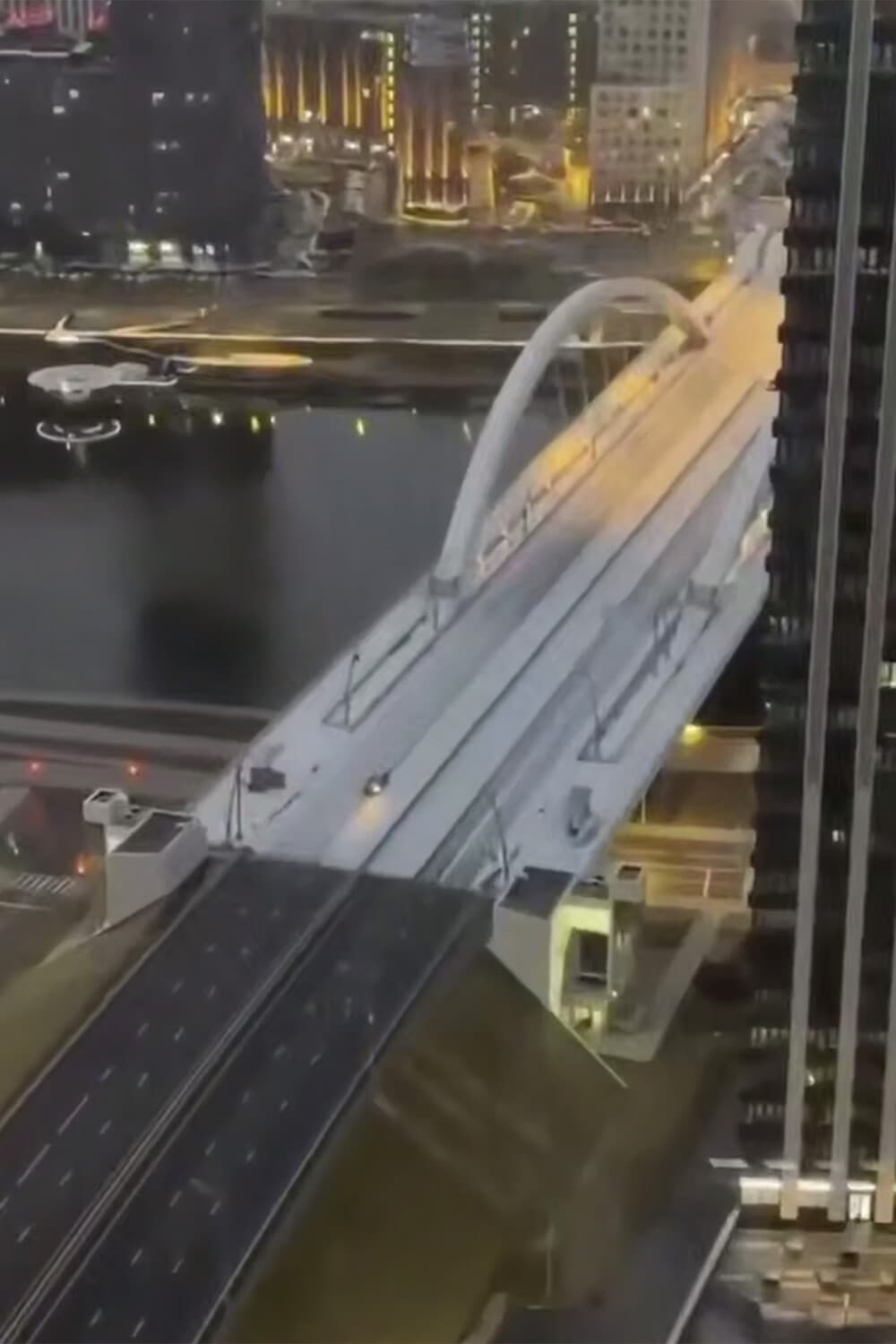
- The bridge over the river was covered with hoarfrost due to high humidity and near-zero temperatures
- Tishkovets called the November snow 'scout snow' and ruled out real winter before December
- On the night of Saturday, ice glaze up to 3.5 mm thick is expected
Why everything thawed except the bridge
On the night of November 5, snow fell in Moscow, and by morning the city's roads had thawed — with the exception of the bridge on Akademika Korolyova Street, which remained covered in snow. Footage showing the contrast between the thawed adjacent road and the snow-covered bridge on the morning of November 5 appeared on social media, with users calling the phenomenon a 'glitch in the matrix.' Meteorologist Yevgeny Tishkovets explained the reason in a conversation with Gazeta.Ru: the bridge is located over water, humidity is always higher above a river, and the air temperature was around zero, even with a slight frost, so condensation covered the bridge with hoarfrost. According to him, something similar often happens in seaside towns near large bodies of water.
'Scout snow' and an icy-road warning
Tishkovets emphasized that real snow cover will not linger in the capital in November: the fallen snow will melt, and a stable winter, as usual, will begin only in December. At the same time, this week the meteorologist warned of danger: on the night of Saturday, frosts will hit within the city limits, and snow moisture will turn into 'black ice' or ice glaze up to 3.5 millimeters thick. He urged drivers who have not yet switched to winter tires to do so. Earlier, on November 3, Muscovites had already been promised snow this week — the snowfall that occurred was its first manifestation.