The key facts
- Sergei Kravtsov stated that kindergartens will keep the basics of reading, penmanship, and preparation for school
- Lessons will be combined with play-based methods and reading folk tales
- Earlier, the minister spoke out against turning kindergartens into preparatory courses before school
The minister explained his approach to preschool education
There are no plans to completely replace preparing children for school in Russian kindergartens with games and fairy-tale reading. This was stated by Russian Minister of Education Sergei Kravtsov in an interview with Life.ru journalist Alexander Yunashev, and a recording of the conversation was also published on his Telegram channel. According to the minister, the preschool education program still includes introducing children to the basics of reading and writing.
A comprehensive approach: both lessons and games
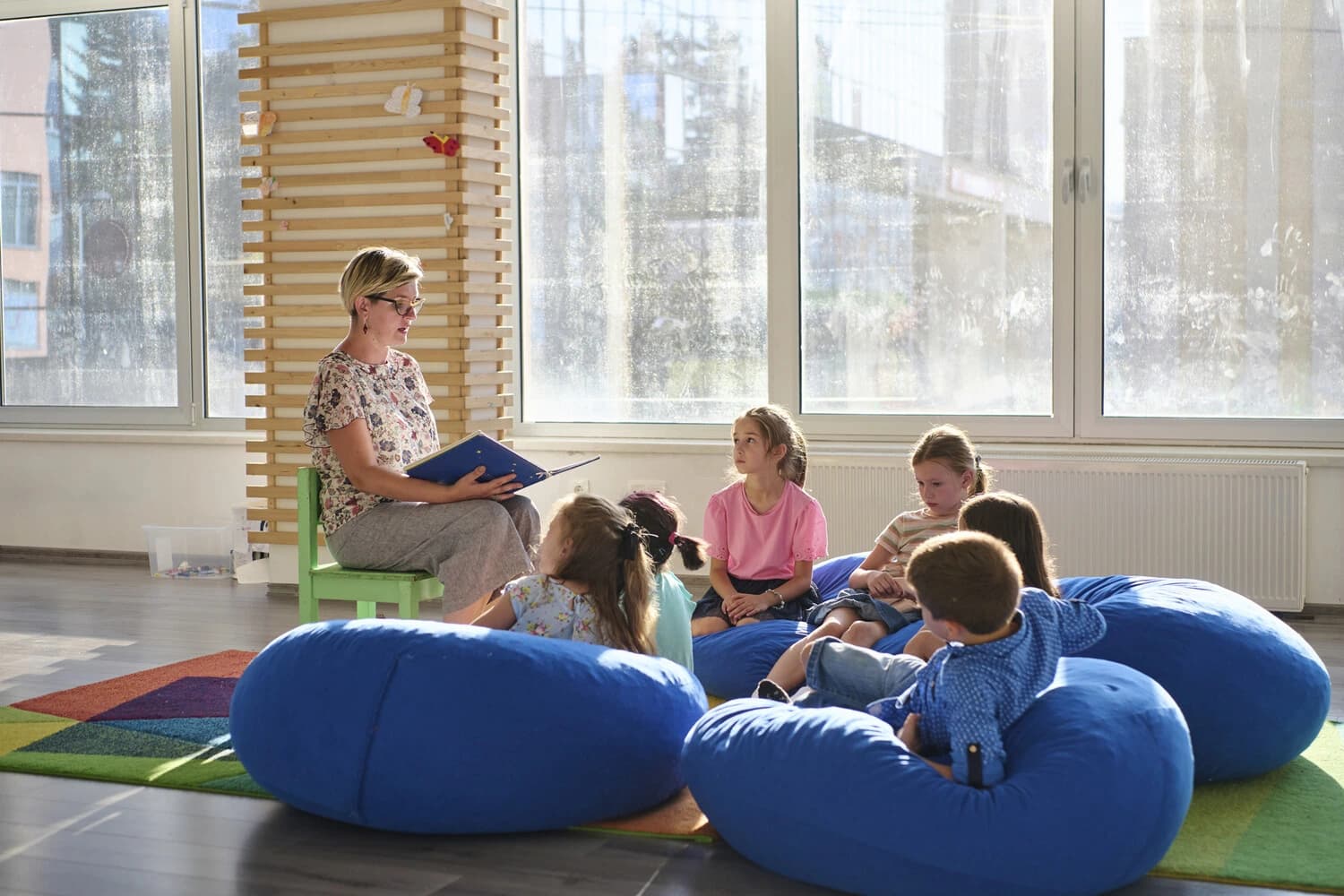
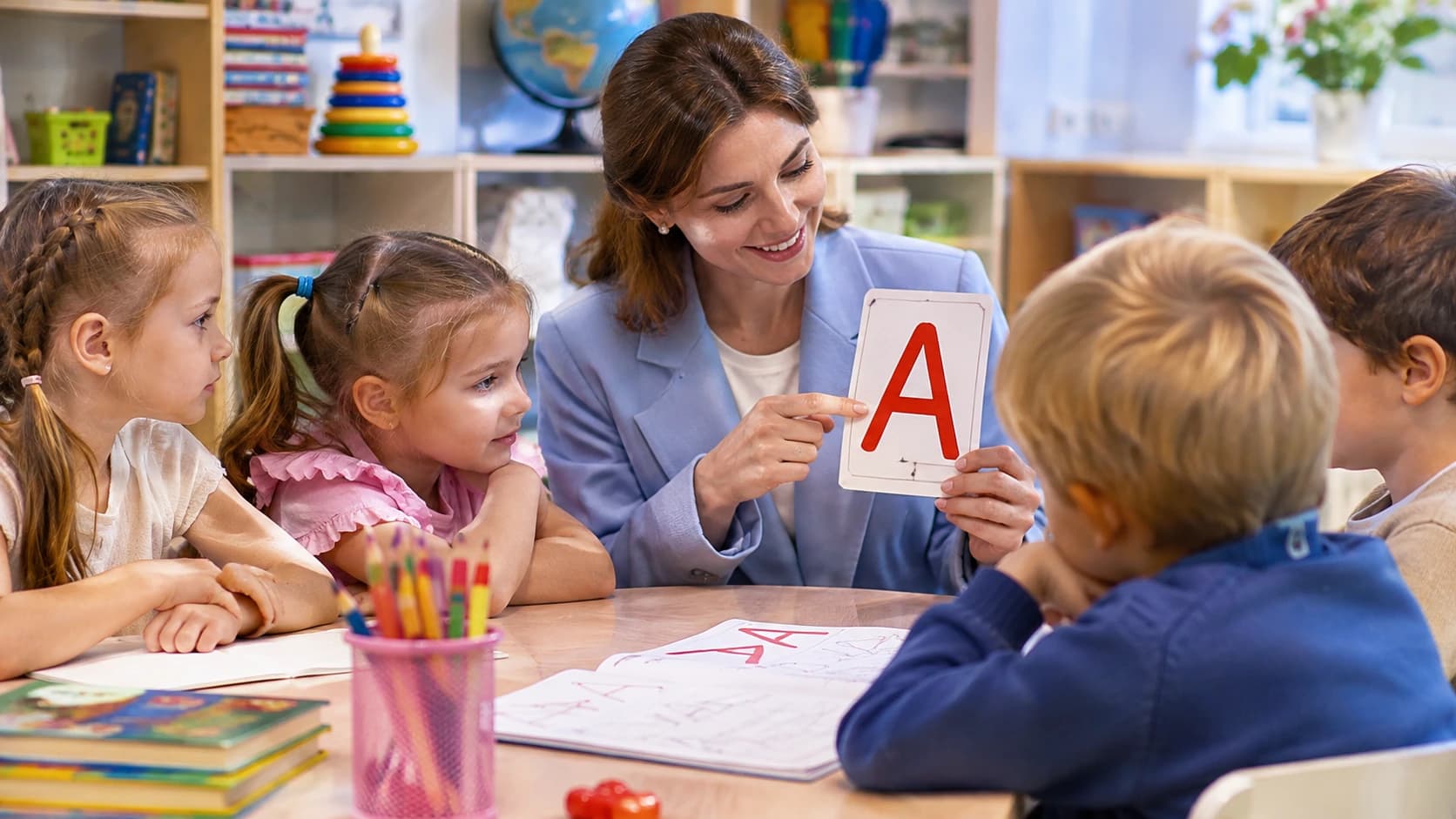
“Our program includes, among other things, the basics of reading, penmanship, and preparation for school. But there are also issues related to a child’s development through play and reading our folk tales. There must be a comprehensive approach,” Kravtsov emphasized. Thus, the emphasis on play activities does not mean abandoning preparation of preschoolers for first grade: the program should simultaneously help children acquire the necessary skills and develop their abilities through games and exposure to literature.
What has changed compared to the September statements
The new clarification refines the position the minister voiced earlier: on September 18, at a forum for preschool education workers, Kravtsov spoke out against turning kindergartens into preparatory courses before school and stressed that the main activities of children under seven should remain games, communication with peers, and well-rounded development, while systematic instruction in reading and writing begins in first grade. Now the minister has explained that the play-based approach does not cancel the elements of school preparation provided for in the program — the point is a combination of both directions, not a choice of one over the other.