The key facts
- The population's average inflation forecast fell to 8.7% (-1.1 pp), the median remained at 8%
- Business expectations fell to 9.2%, but the median returned to July's 9%
- The main forecast factor is rising fuel and energy prices (50% among the population, 52% among businesses)
Population expectations hit a new low
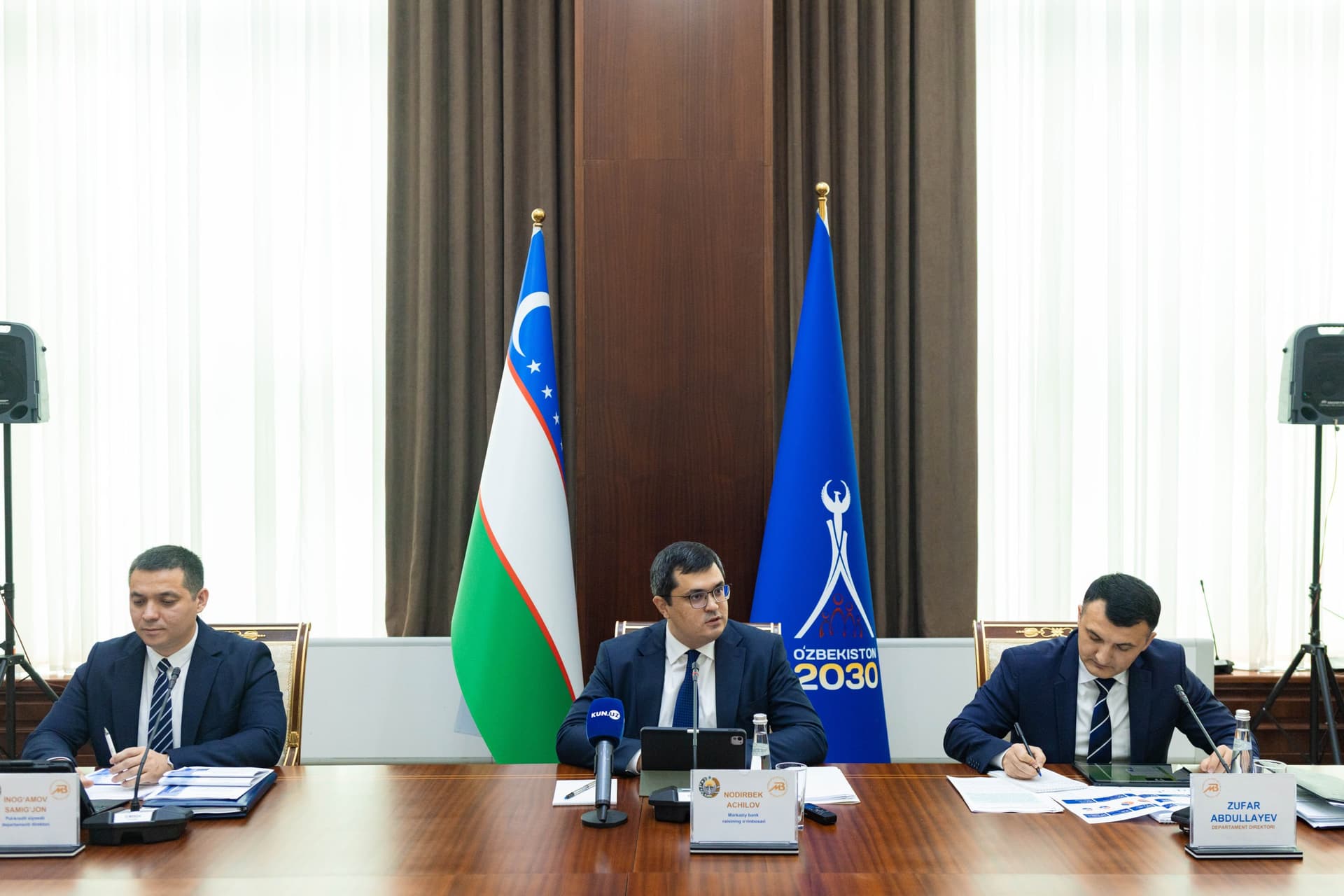
Expected inflation in Uzbekistan fell sharply in the September population survey and hit a record low since observations began, the Central Bank reports. The average forecast came in at 8.7%, down 1.1 percentage points from the previous month, while the median remained unchanged from August at 8%. This continues an emerging trend: as Spot.uz notes, expected inflation has been setting new lows for more than a month now.
Regions and population groups
Tashkent once again ranked first among regions in inflation forecasts at 11.6%, followed by Syrdarya (9.7%) and Fergana (9.5%) regions. The lowest figures were in Khorezm (6.8%), Namangan (7.1%) and Andijan (7.7%). Among employment categories, the highest estimates came from pensioners (12.4%), household services workers (10.6%) and transport workers (9.9%); the lowest — from trade employees (7.8%), students (7.9%) and catering workers (8%).
Incomes and forecast factors
A noticeable gap by income level persists: citizens with higher incomes again give higher forecasts. In the group with a monthly income of 30 million soums or more, expectations stand at 14.4%; with an income of 20–30 million — 11.3%, while among those earning up to 2 million soums it is only 7.6%, and at 2–4 million — 8%. Respondents most often cited rising fuel and energy prices as the main factor behind their forecasts (50%); utility tariff increases dropped to second place, falling to 38%. At the same time, the shares of those citing rising food prices (31%), speculative price hikes (30%), higher wages and benefits (29%) and transport costs (26%) grew. Mentions of exchange rate fluctuations remain in last place, but their share rose to 22% versus 14% a month earlier.
Business: the decline is slower
In the business community, inflation forecasts are falling more gradually: the average level of expected price growth for the coming year came in at 9.2% (down 0.4 percentage points), also hitting a low since data publication began. However, the median, after the August dip, returned to the July level of 9% — that is, the decline in average and median values is uneven. The highest expectations are in Samarkand (10.2%), Fergana (10.1%), Karakalpakstan, Surkhandarya and Andijan (9.9% each); the lowest — in Kashkadarya (7.5%), Namangan (7.9%) and Khorezm (8.4%). By sector, logistics leads (10.7%), followed by artisans (9.8%) and trade (9.7%); the most optimistic forecasts are in tourism (7.5%), IT and media (8.1%) and restaurants (8.2%).
What influences business forecasts
As among the population, rising energy prices rank first among factors for businesses — 52% of respondents — with utility price increases second (38%). Compared with the previous survey, the shares of those citing higher raw material costs (37% versus 19%) and a growing tax burden (29% versus 15%) nearly doubled; 25% highlighted a worsening competitive environment, and 24% cited wage growth. As context for these figures, the Central Bank of Uzbekistan earlier raised its 2026 inflation forecast to 7%, as Spot.uz reported.