The key facts
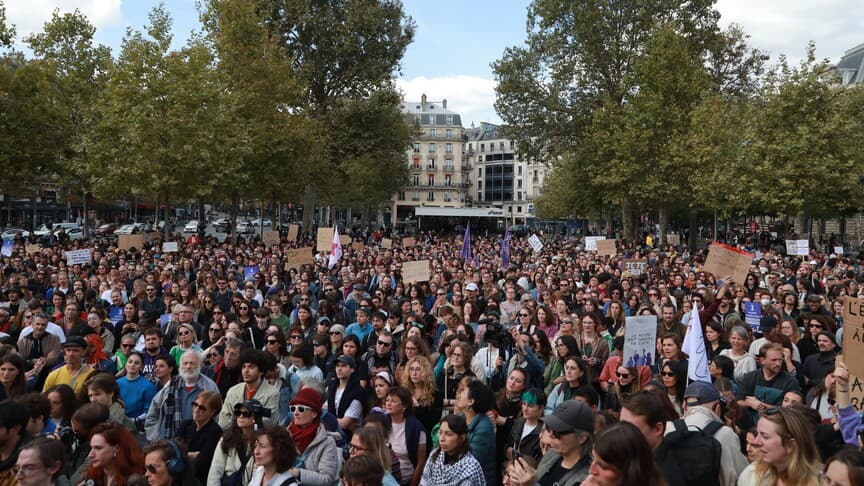
- The authorities estimated the number of protesters nationwide at 500,000–700,000, with up to 80,000 expected in Paris
- Unions in education, railways, hospitals and the postal service went on strike; about 16% of teachers did not show up for work
- Interior Minister Laurent Nuñez announced the deployment of 70,000 police officers and security personnel
Strike and marches across the country
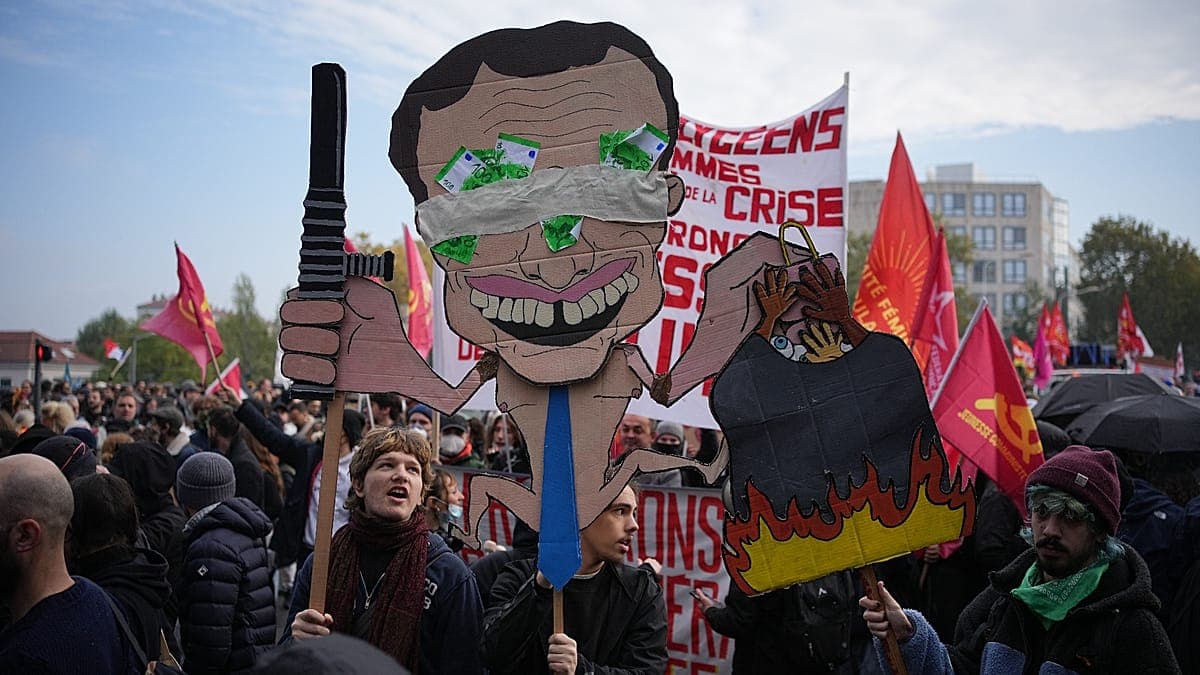
On Thursday, 5 November 2026, striking workers marched across France against the rising cost of living; the authorities expected between 500,000 and 700,000 participants nationwide and up to 80,000 at the march in Paris starting at 14:00 (13:00 GMT), AFP reports. The unions hoped for a turnout comparable to the protests against the 2023 pension reform, when more than a million people took to the streets. The strike was called by unions in public and private education, as well as rail workers' unions, public hospital unions and postal service unions.
Demands and participants
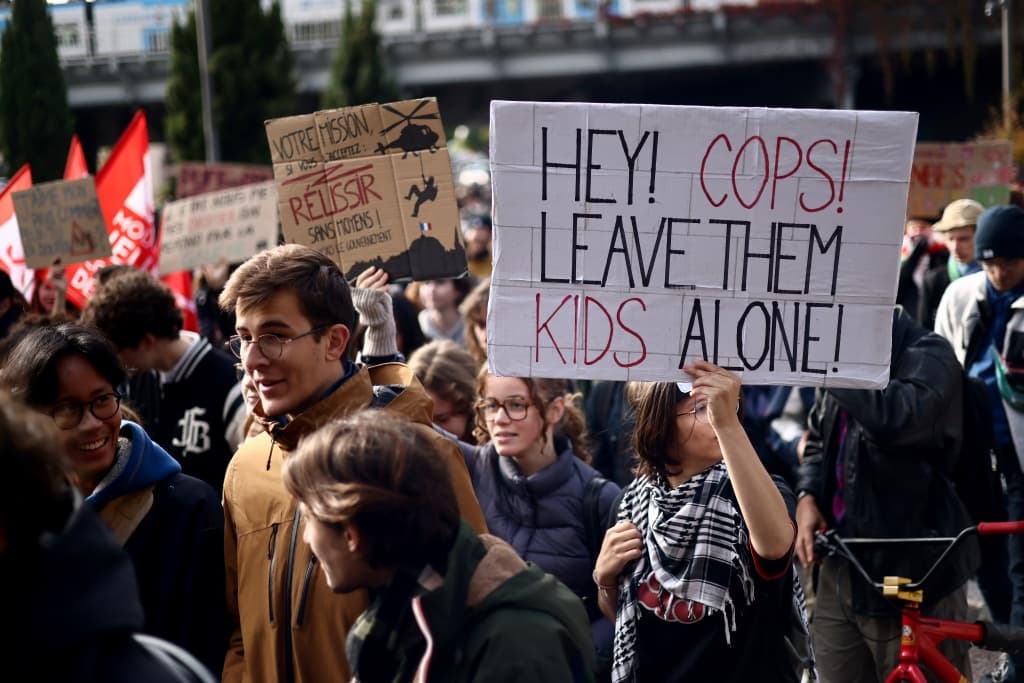
The unions are demanding across-the-board pay rises, tax reform and better learning conditions for young people, and also complain about police restrictions on certain protest actions. In Lyon, winemaker Martin Thibierge explained his participation by the desire to
Schools and transport
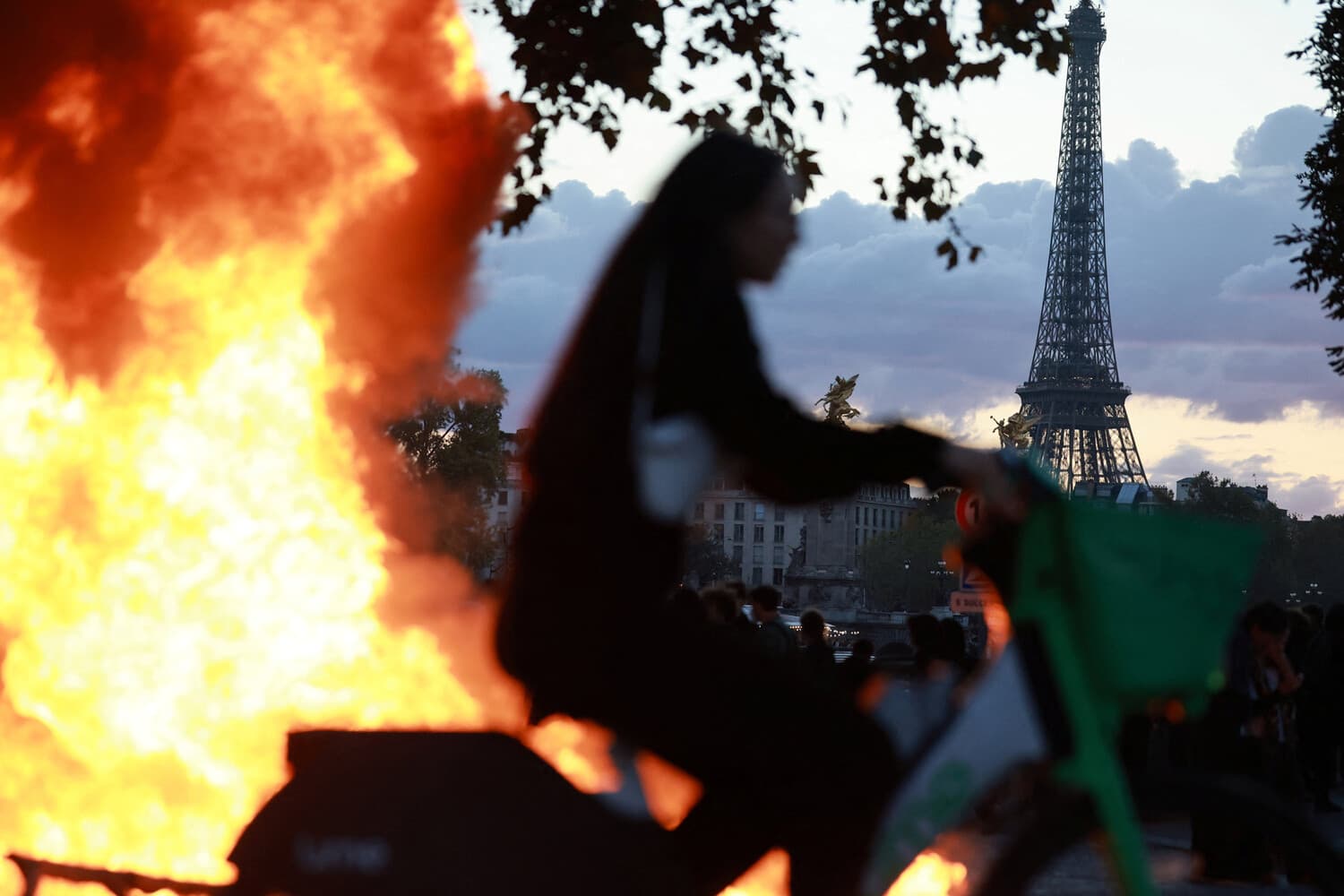
The government reported blockades at 81 of the country's 3,700 high schools, while a student association said classes were suspended at 1,000 secondary schools — including blockaded ones and those closed because of the strike. According to the education ministry, about 16% of teachers nationwide did not show up for work. In Paris, police used tear gas in an attempt to prevent students from blocking access to the Hélène-Boucher high school, an AFP correspondent reported. Rail services experienced some disruption in the morning: at Montparnasse station, a passenger who gave her name as Jeanne, a psychologist, said her train had been cancelled, noting that she considered the strike understandable.
Context and security measures
The demonstrations are taking place as the eurozone's number two economy works to fix the country's finances — six months before elections to replace the centrist Emmanuel Macron, with the far right leading in the polls. The high school student movement, which began as protests against learning conditions, coincided with widespread discontent over rising prices and inequality; on 17 October it escalated into the most serious unrest France has seen in recent years. Interior Minister Laurent Nuñez announced on Wednesday the deployment of 70,000 police officers and security personnel, promising an