The key facts
- The Eiffel Tower was closed to visitors on November 5 due to a nationwide strike
- The authorities expect up to 780,000 protesters in the regions and up to 80,000 in Paris
- The protest wave began in September with rallies by students and high schoolers
Closure of the tower and the scale of the action
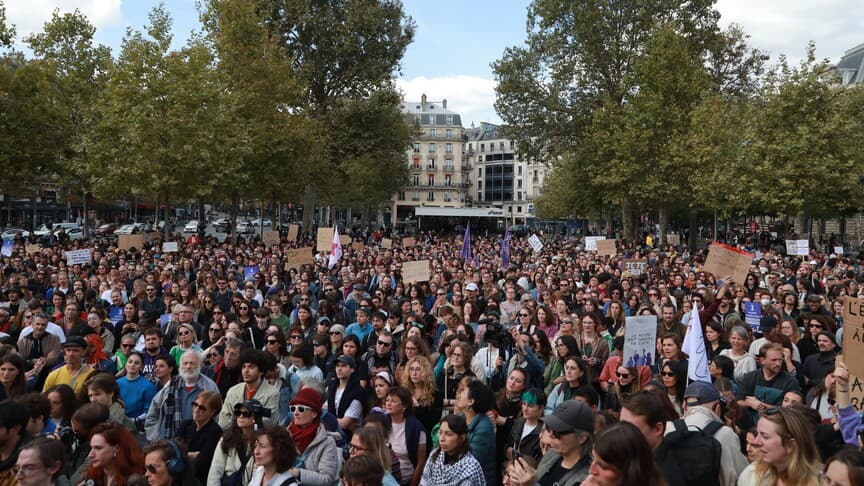
The Eiffel Tower in Paris was closed to visitors on November 5 amid a nationwide demonstration, as reported by Le Parisien. On that day, protest actions organized by trade unions are taking place across France: several thousand people have already taken to the streets, and the demonstrators are demanding wage increases and improved purchasing power. According to Gazeta.Ru, the authorities expect up to 780,000 protesters in the regions, and up to 80,000 people in Paris.
Context of the protest wave
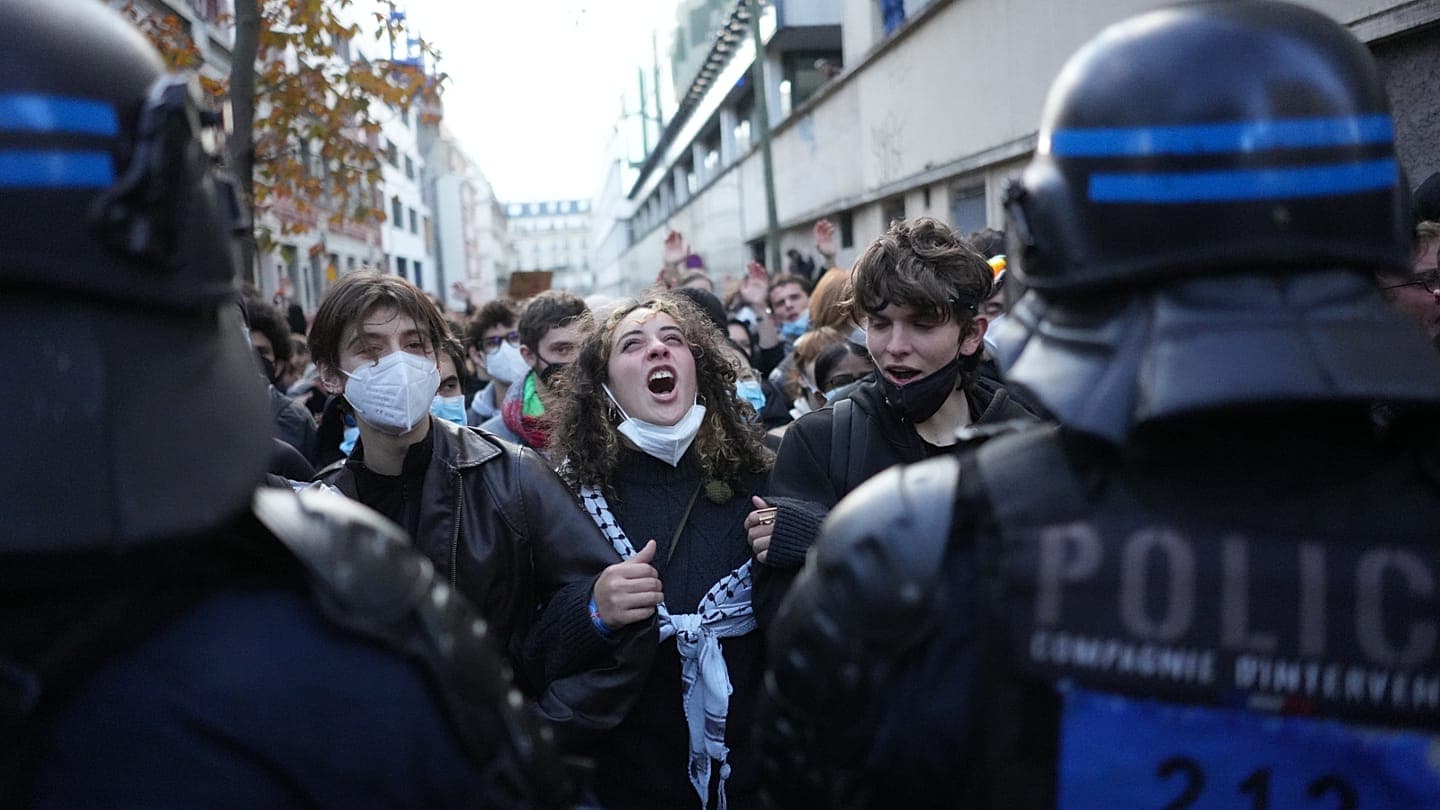
The protest wave began in September with rallies by students and high schoolers from the Paris suburbs demanding better learning conditions. On October 17, according to the outlet, more than half a million people took to the streets of France — activists, young people, trade unions and workers' movements; among the demands was also opposition to rising fuel prices. Earlier, at protests in France more than 500 people were detained. Thus, the closure of the country's main tourist attraction on November 5 is part of a cycle of actions that has been ongoing since September, which has grown from student rallies into a nationwide movement with economic demands.