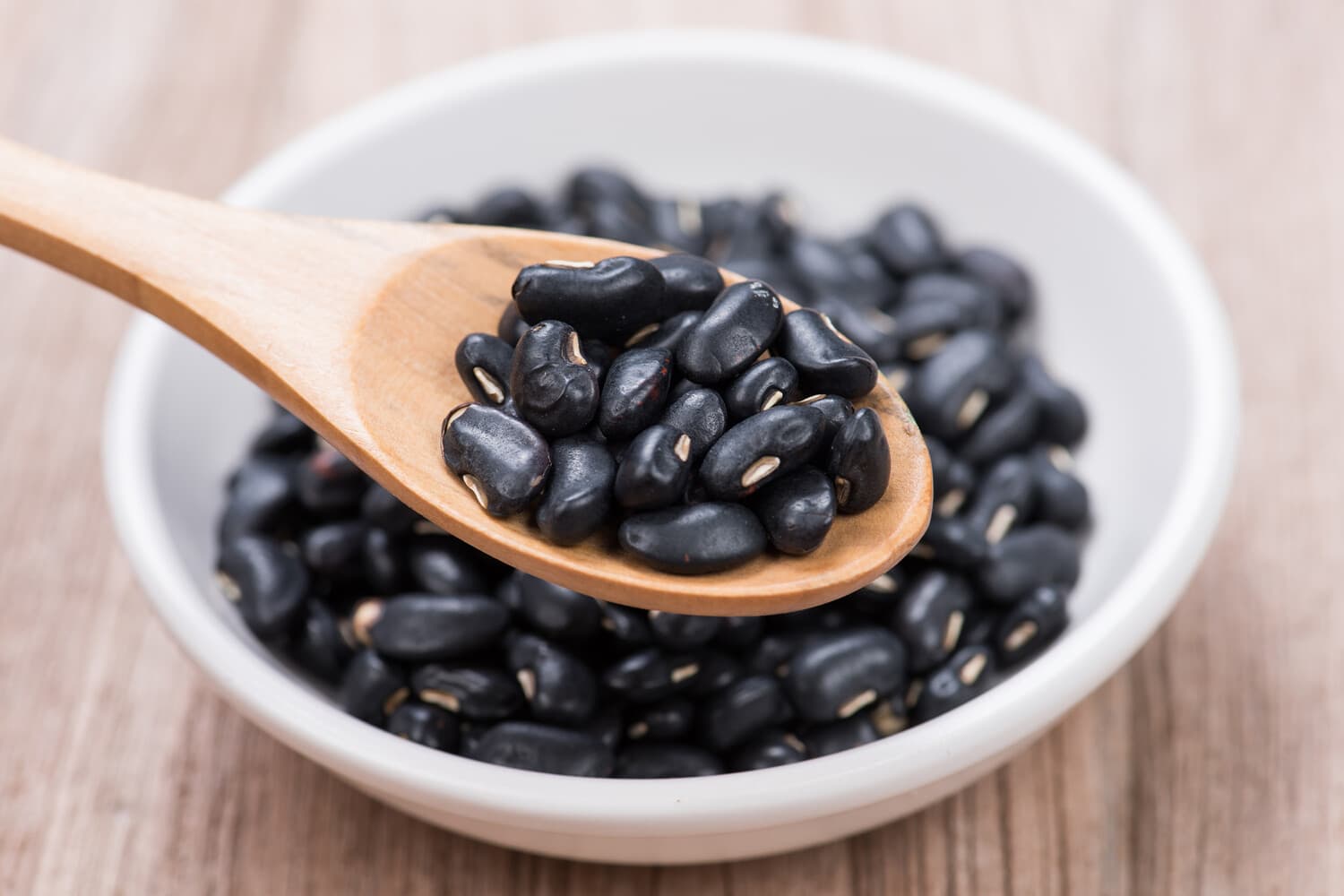
The key facts
- US dietitians suggested beans as an alternative to red meat due to their low saturated fat content
- A cup of cooked beans contains about 15 g of protein, 13 g of fiber, and less than 1 g of fat
- Recommended frequency of consumption — at least three times a week
Beans instead of red meat
US dietitians Alyssa Pacheco and Drew Rosales in an interview with Eating Well named beans a healthy alternative to red meat: legumes contain little saturated fat, an excess of which, according to Pacheco, is linked to elevated levels of 'bad' cholesterol (LDL), which can build up on blood vessel walls.
What beans contain
According to Pacheco, a cup of cooked beans contains about 15 g of protein, 13 g of fiber, and less than 1 g of fat. Thus, replacing part of the red meat with legumes makes it possible to get the necessary protein without an excess of saturated fats. The dietitian also explained the difference between types of fats: saturated fats are solid due to their molecular structure and, in excess, can harm blood vessels, while unsaturated fats remain liquid, support the elasticity of cell membranes, improve brain function, and fight inflammation.
Recommendations and additional effects
Pacheco noted that such a substitution aligns with the principles of the Mediterranean diet, which favors plant-based protein sources — nuts, seeds, and grains such as bulgur and quinoa. Rosales added that regular consumption of beans is associated not only with heart benefits but also with a lower risk of type 2 diabetes, certain cancers, and cognitive impairment; she called the Mediterranean diet one of the most studied dietary patterns. The dietitian's practical recommendation is to include beans in the diet at least three times a week: add them to soups and salads, use them as a side dish, or replace meat with them in certain dishes. It is worth noting that this is the opinion of specialists, not the results of a new clinical study: the publication is based on their interview.