The key facts
- Democrats won a majority in both chambers of Congress in the midterm elections
- Analysts link this to weakening expectations of further Fed rate hikes
- In September, the Fed raised rates by 25 bps for the first time since 2023 — to 3.75%–4%
What changed after the election
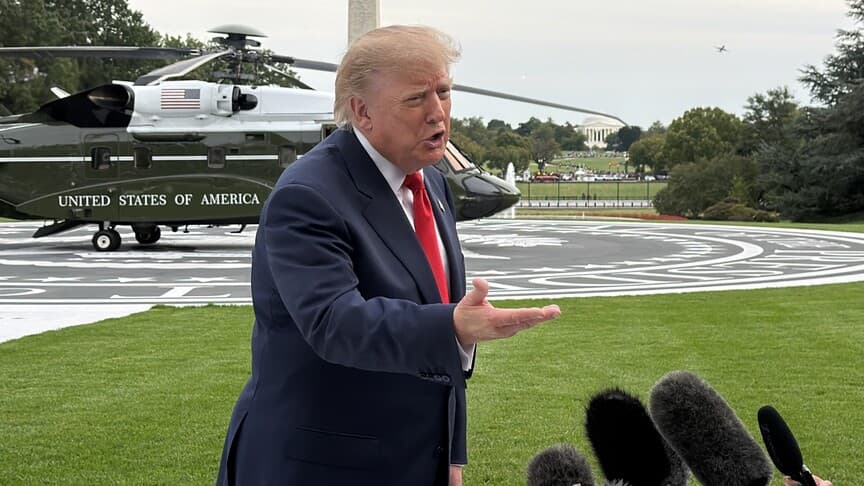
The Democratic Party won a majority in both chambers of the US Congress in Tuesday's midterm elections. As Anadolu reports, this has strengthened expectations that domestic inflationary pressure may ease and that the Federal Reserve may abandon some of its planned tough rate measures. According to the outlet, the new balance of power could limit large-scale investments in artificial intelligence and become an obstacle to the expansionary fiscal policy of Donald Trump's administration.
Why this matters for rates
Context: geopolitical risks in the energy market already pushed the Fed to raise rates in September by 25 basis points — to a range of 3.75%–4%, the first increase since 2023. The Democrats' victory has also raised expectations that Trump may take a more moderate stance in the tensions surrounding the US, Israel and Iran; de-escalation in the Middle East, in turn, could lower energy prices — one of the sources of global inflation and pressure on rates worldwide.
Analysts' views
Tim Waterer, KCM Trade's chief global market analyst, called the Democrats' victory, in his words, 'probably the least desired outcome for technology sector stocks and risk assets in general.' He noted that opposition to the rapid construction of AI data centers became one of the key issues in a number of congressional election campaigns: if the party delivers on its campaign promises, the pace of construction will slow, which in itself will have a moderate deflationary effect and may lower expectations about how aggressively the Fed will have to raise rates. Kyle Rodda, a senior financial markets analyst at Capital.com, added that markets view the political changes as a sign of weakening fiscal stimulus, due to expectations that Congress will block or disrupt Trump's policies — and this 'at the margins' reduces the risks of rising inflation and rates in the US.