The key facts
- Cyber attacks on supermarket freezers affected countries from Ireland to Finland; the defrost settings of three plasma storage facilities in France were also hacked
- Experts speak of an escalation of the 'grey zone' and possible coordination between Russia and Iran
- Governments are urging citizens to stockpile food, water, batteries and radios
From freezers to blood banks
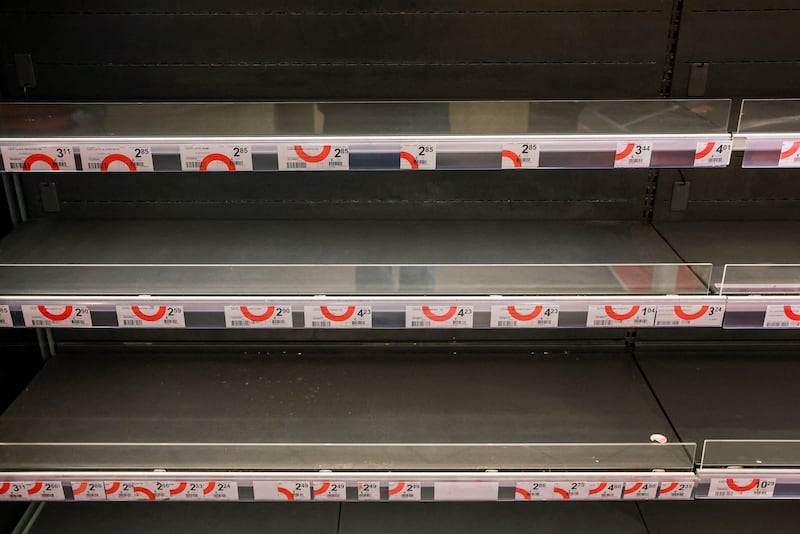
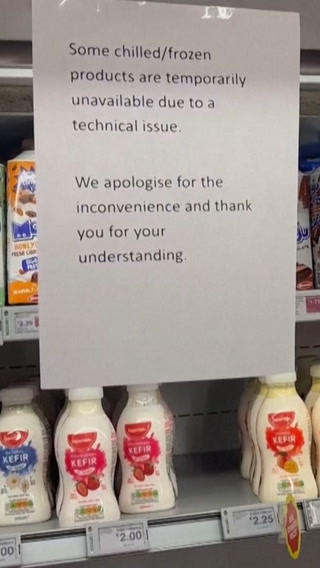
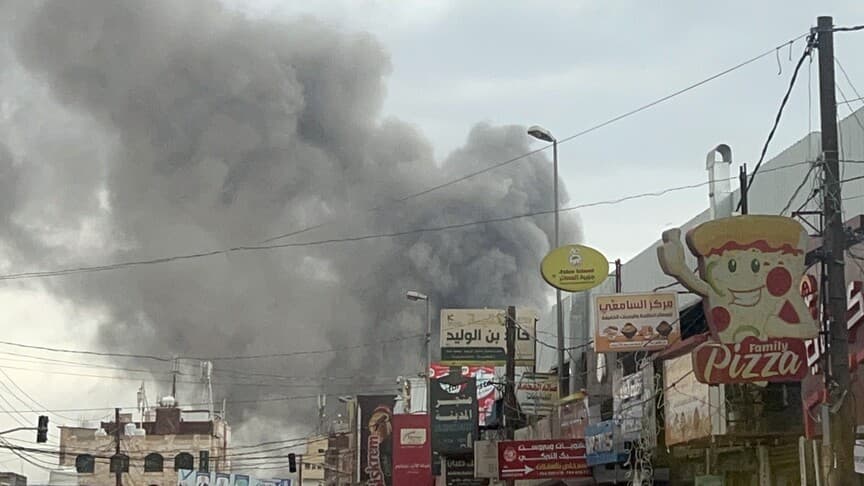
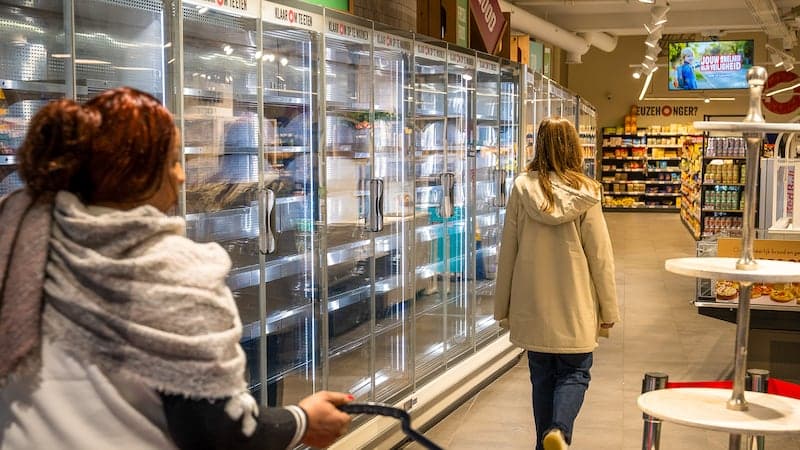
This week, a series of cyber attacks knocked out supermarket freezers in countries from Ireland to Finland, leading to large quantities of meat being discarded. According to The National, hackers also changed the defrost settings at three blood plasma storage facilities in France on Wednesday; refrigerated containers used by France's national blood service were also targeted. At the same time, on November 3, European airlines received hoax bomb threats, while Germany is additionally dealing with drones disrupting civil airports.
Experts: a 'grey zone' and possible coordination between Moscow and Tehran
Peter Watkins, a former senior UK Ministry of Defence official now affiliated with Chatham House, believes attacks on civilian targets are likely to intensify. In his words, if Russia is behind the freezer attacks, it is a 'softer version' of what it is doing in Ukraine, deliberately striking civilian infrastructure. Megan Sutcliffe, a senior analyst at the consultancy Sibylline, speaks of a major escalation of 'grey zone warfare' aimed at undermining trust in governments, and notes that the freezer attack demonstrates how peaceful technologies can be used to cause large-scale disruption. Oana Popescu-Zamfir, head of the Europe programme at Rusi, sees what is happening as a sustained Russian campaign to weaken support for Ukraine: 'if you keep supporting Ukraine, you will face instability at home.' She also warns that intelligence services have long warned about Russian 'sleeper cells' in Europe, and this is beginning to materialise. Sutcliffe does not rule out closer 'strategic coordination' between Moscow and Tehran, whose interests, she says, converge in the desire to destabilise the West and split Europe's relations with the US.
The Iranian factor and the authorities' response
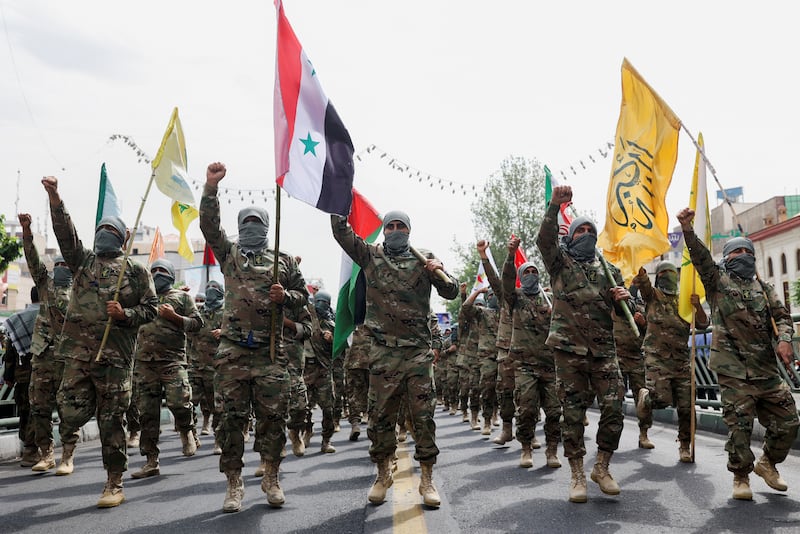
The National notes that Tehran's motivation to expand cyber operations may grow if the US and Israel launch new strikes on Iranian energy facilities following Donald Trump's defeat in Tuesday's midterm elections. According to the outlet, citing Popescu-Zamfir, Iran uses social media to recruit people, paying them in cryptocurrency for attacks on Jewish, Israeli or American interests in Europe. The British Foreign Office acknowledged in a statement the rise in hybrid activity, defining it as 'overt or covert actions by foreign governments that fall short of direct armed conflict but go beyond legitimate diplomacy.' European governments are urging citizens to stockpile food, batteries, camping stoves, water and wind-up radios in case of a major attack capable of emptying store shelves.