The key facts
- WHO: 1,771 killed and 7,959 injured in Yemen since August; from October 26 to 30 — 94 killed and 564 injured
- Average casualty rate rose from 93 to 132 people per day
- More than 300,000 displaced persons as of November 1; essential goods in Taiz have risen in price three- to fivefold
WHO casualty data
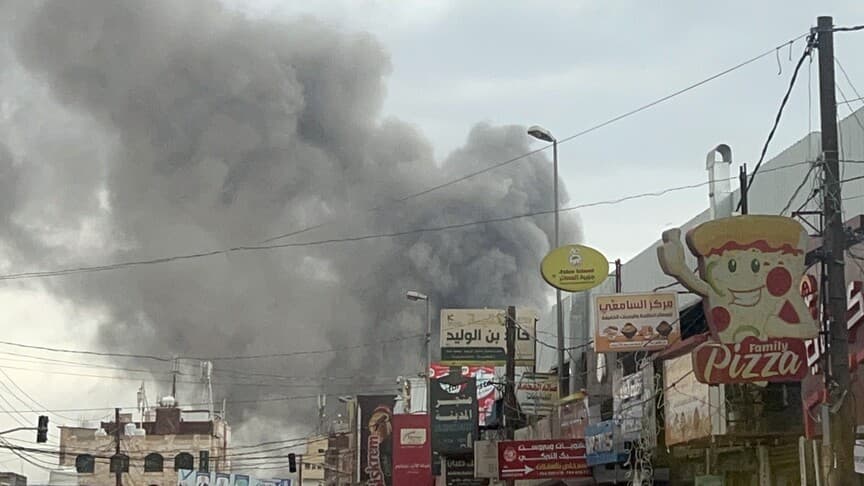
The World Health Organization on Thursday released casualty data from Yemen amid an escalation of hostilities: since August, 1,771 people have been killed and 7,959 injured. According to the WHO report, from October 26 to 30 alone, 94 people were killed and 564 injured. The organization stressed that the average casualty rate has risen to 132 people per day, up from 93 in the previous reporting period, indicating an acceleration in human losses. However, the WHO did not specify whether the figures include civilians, military personnel, or both.
Geography of casualties and population displacement
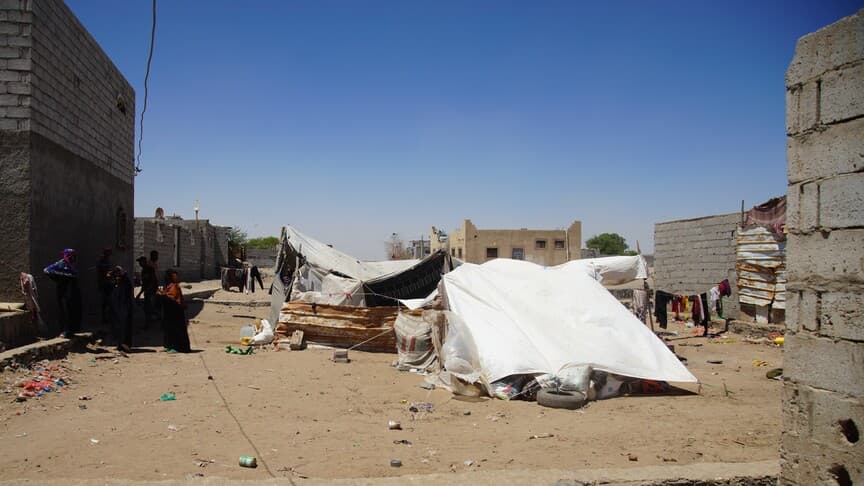
According to the latest WHO situation report, Lahj province accounted for the largest share of casualties over the five-day period — 309 people, or 47% of the total. Marib recorded the highest number of deaths: 36 fatalities among 172 casualties; on October 30 alone, there were 117 casualties there, including 20 deaths, in incidents in Al-Juba, Harib, and on the Al-Jawf front. The report also notes a worsening displacement crisis: according to the International Organization for Migration, more than 300,000 people were displaced as of November 1. More than 43,000 people have fled the Al-Madariba wa-l-Arah district in Lahj since the beginning of October, while Aden is hosting more than 56,000 displaced persons. In the city of Taiz, according to the report, prices for essential goods have risen three- to fivefold.
Context of the escalation
The military escalation between Yemeni government forces and the Houthis resumed in July, particularly in the southwestern provinces of Taiz and Lahj, and, according to the UN, has left thousands killed and injured. The renewed clashes ended the relative calm that had held since April 2022, while the humanitarian crisis continues to deepen due to the fighting and population displacement. Yemen has been engulfed in war since September 2014, when the Houthis seized the capital Sanaa and a number of provinces, which in March 2015 led to the intervention of the Saudi Arabia-led Arab coalition in support of the internationally recognized Yemeni government.