The key facts
- China threatened countermeasures in the event of unilateral EU restrictions
- The European Commission will present the 'kill-switch' tool before the end of the year
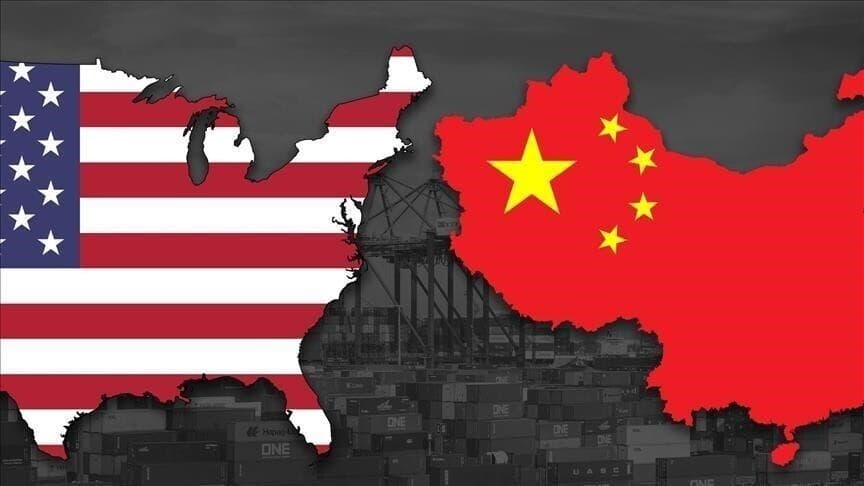
- The EU's trade deficit with China is about 1 billion euros per day, with imports up 25% over the year
Beijing's statement comes amid the development of a new mechanism
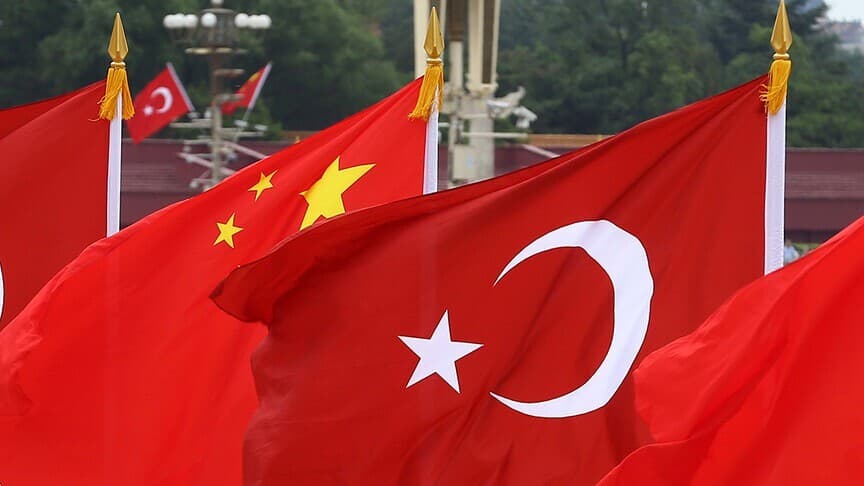
China's Ambassador to the EU Cai Run warned on Thursday, that Beijing 'will be forced to take countermeasures to firmly defend its interests' if the European Union introduces restrictive and discriminatory measures against the PRC. The statement came as the European Commission works on an emergency trade tool that the press has dubbed the 'kill-switch' ('shutoff switch'): it is meant to allow the EU to quickly cut off access to its market for countries whose economic policies cause serious disruptions in the European market. Cai also said that China opposes the politicization of trade and economic issues, the expansion of the concept of security, and the practice of maximum pressure.
What is known about the tool and its origins
European Trade Commissioner Maros Sefcovic told members of the European Parliament that the draft law will be presented before the end of the year. According to him, the mechanism will allow the EU to 'react significantly faster, up to restricting exports into the European Union' and will target countries that 'treat us unfairly or harm European interests.' Formally, the tool is not tied to specific countries, but in practice it is aimed at Chinese interests, which depend heavily on the EU consumer market of 450 million people. The impetus for accelerating the development was a Franco-German initiative in early October: according to Chinese customs data, cheap imports from China grew by 25% over the year, and the EU's trade deficit with China reached a record level of about one billion euros per day, with every member state recording a deficit. Back in October of last year, EU leaders instructed the Commission to create a rapid-response tool.
Context of the negotiations and measures already taken
The development of the mechanism is proceeding in parallel with Brussels' and Beijing's trade rebalancing talks, which have been ongoing since June. On October 9, the sides agreed to limit deliveries of Chinese hybrid cars to the EU — technical consultations have continued since then, and Brussels hopes to replicate this model in other sectors. An interim review of the implementation of the automotive agreements is scheduled for January, and Sefcovic's next meeting with Chinese Commerce Minister Wang Wentao is planned for March 2027. At the same time, EU leaders demanded that the Commission introduce quotas and tariffs on Chinese chemical and engineering products; targeted duties are already being imposed following investigations that revealed dumping and subsidies. This is not the first threat of countermeasures from Beijing: earlier, China criticized the Industrial Accelerator Act draft law, which restricts access to EU public procurement and tightens conditions for foreign investment, without naming Beijing directly.